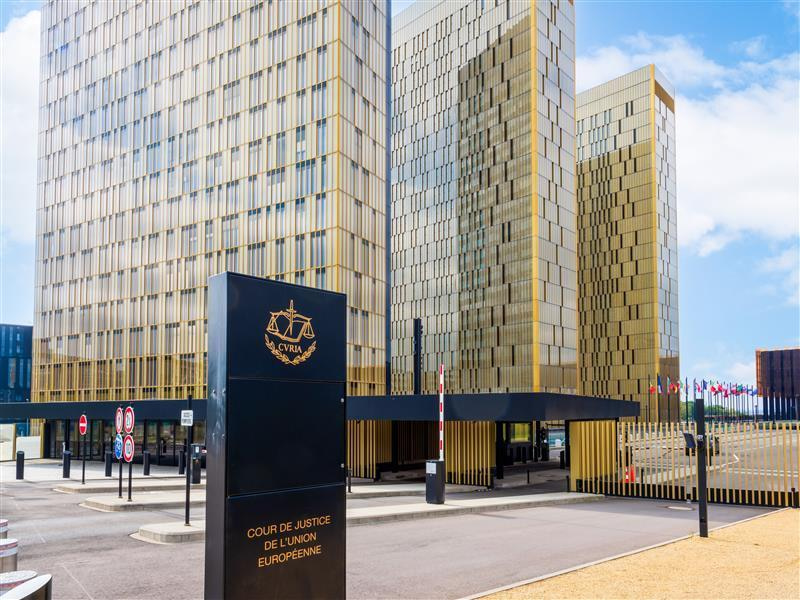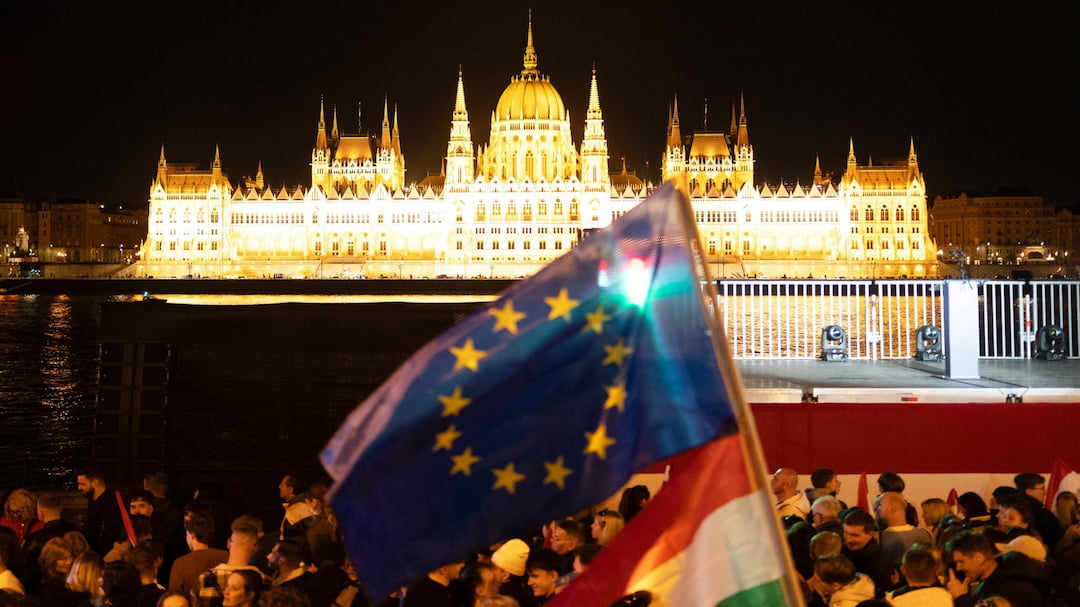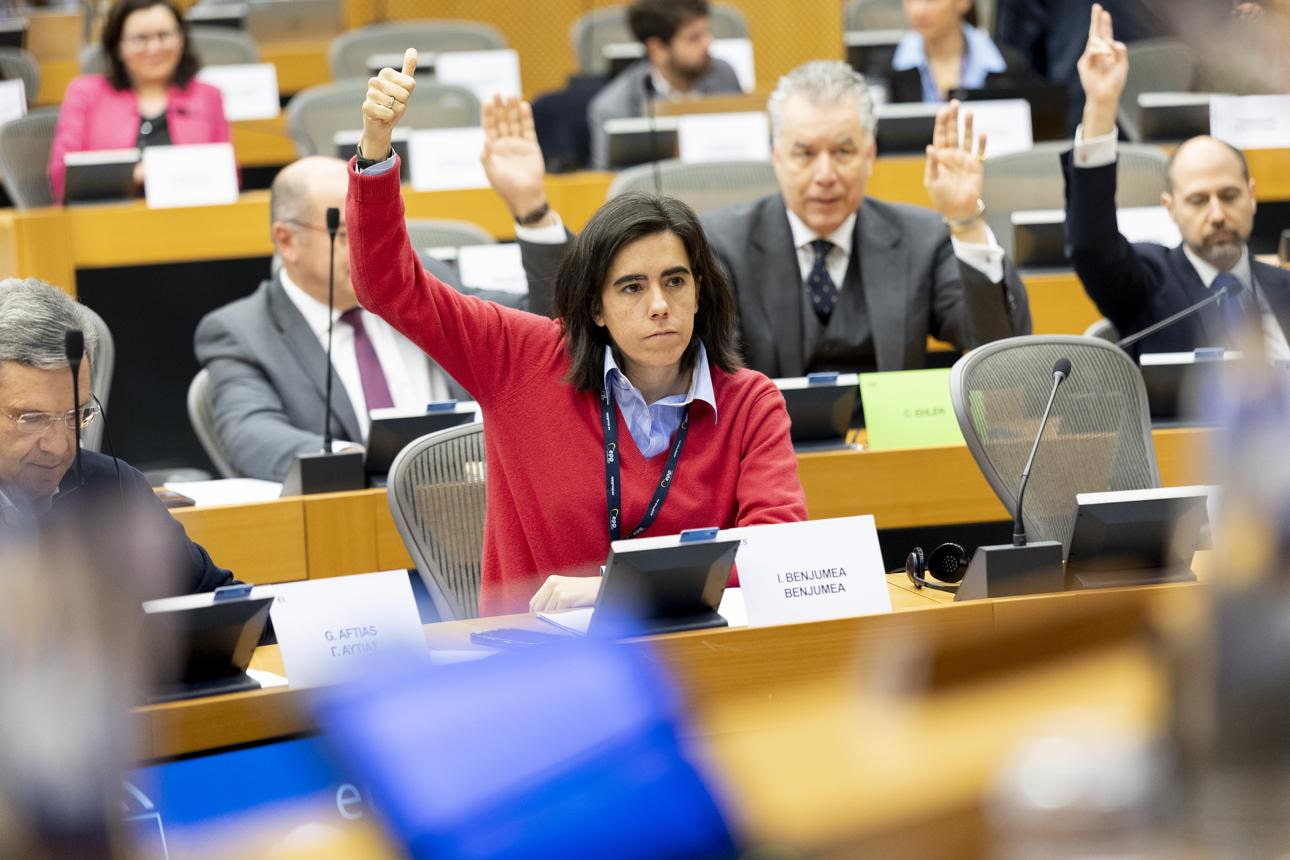
Prague: Access to a lawyer during police questioning is a firm EU rule, and the Court of Justice said so on 22 October 2026 when it ruled that Hungary and Czechia had broken it. The judgments in cases C-660/24 and C-681/24 upheld the Commission’s infringement actions in full, according to a Danish legal portal summary of the Court’s press release.
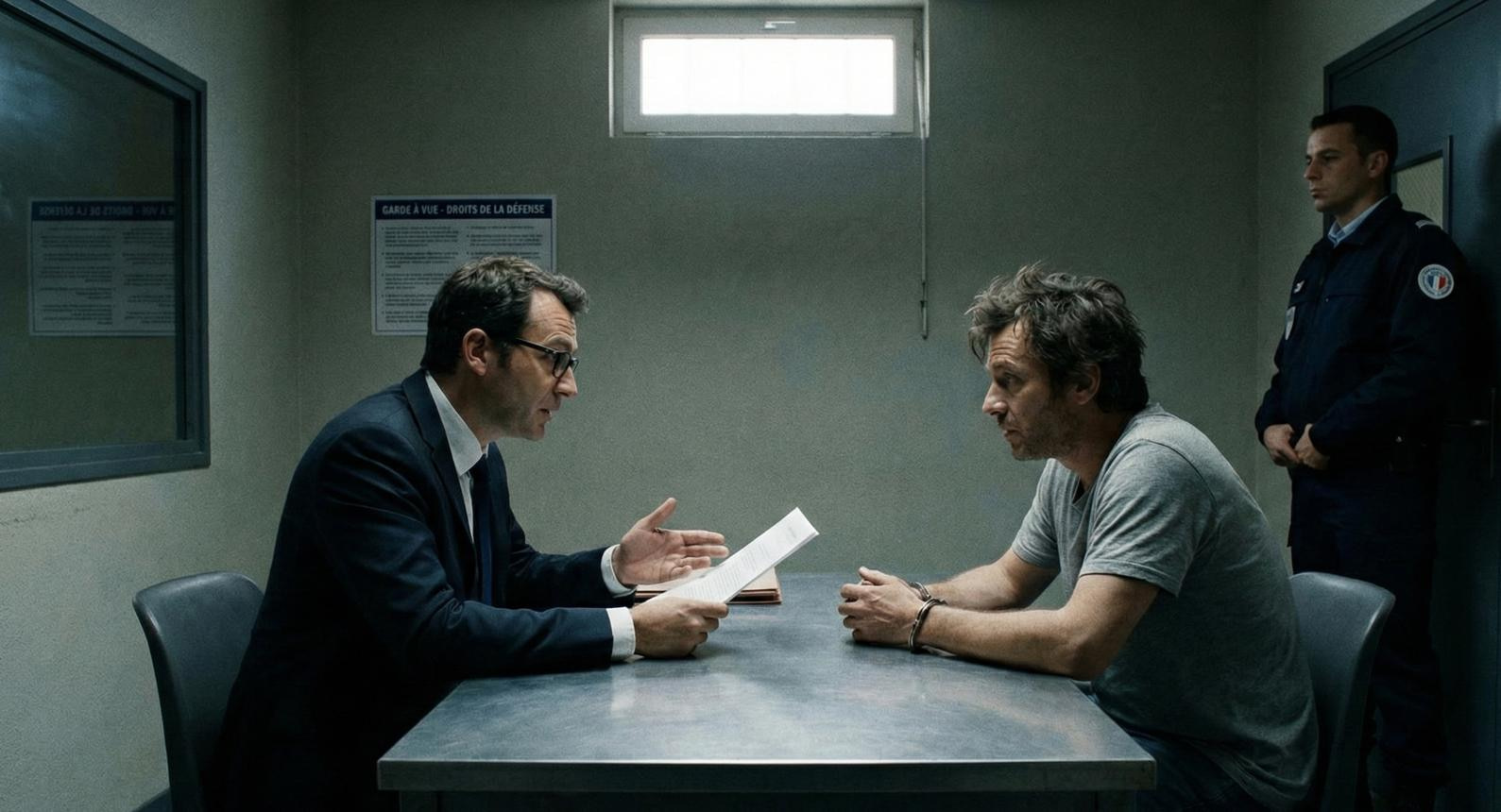
Both countries let police question suspects without a lawyer once a set period had passed. Hungary allowed questioning to go ahead two hours after the lawyer was told that the suspect was in custody. Czechia allowed it 48 hours after custody began, and also where the lawyer could not be reached. The Commission argued that Directive 2013/48/EU permits only narrow, temporary exceptions, so a general time limit cannot meet the test.
The Court agreed with the Commission. It held that access to a lawyer includes the lawyer’s presence and effective participation in questioning, in principle in person. The grounds for temporary derogation in the directive are exhaustive, and the national rules applied their limits across the board instead of case by case. They therefore conflict with EU law. Advocate General Tamara Ćapeta reached a similar view in her earlier Opinions, although the sources I reviewed do not confirm the date of those Opinions.
Hungary lost a second point. Hungarian law treats the right as inalienable, so suspects cannot choose to skip it. The Court said suspects may decide not to exercise the right, and that such a choice can count as a waiver under the directive. It also found that Hungary had failed to transpose the directive’s waiver rules, which is a separate breach. That finding matters for defence lawyers, because a valid waiver needs clear information and a free choice.
For police forces across the Union, the judgments turn access to a lawyer from a policy aim into a measurable duty. Officers cannot start questioning merely because a clock has run out. They must show that a specific, lawful ground justifies the delay, because access to a lawyer cannot lapse with a timer. Defence lawyers can now cite C-660/24 and C-681/24 when they challenge statements taken without counsel, and any member state with a similar timer will watch the fallout closely.
Several details remain open. I could not open the judgments or the English press release, so the chamber, the judge-rapporteur and the exact article numbers are unverified, and the reasoning above comes from a secondary summary. No reaction from either government appears in the material I reviewed. Both states must comply without delay, and if the Commission decides they have not, it may bring a further action seeking financial penalties. Readers should check the Curia text before they quote it.
The next test is domestic. If Budapest and Prague amend their codes of criminal procedure quickly, access to a lawyer will become real at the police station and the rulings will end the practice in two states. If they stall, expect the Commission to return to the Court and ask for penalties, which would make this a longer dispute about how seriously governments treat the rights of suspects.