November 7, 2026
LATEST
Teacher Shortages Put The EU Teachers Agenda To The TestKingspan Fine And KKR Charge Put EU Merger Control To WorkMEPs Near First Vote On EU Space Act In Parliament Industry CommitteeMercosur Safeguard Rules Let EU Curb Surges In Car And Goods ImportsMontenegro And Albania Receive EU Accession Roadmaps From CommissionHelsinki Presses Washington Over Paid-For Patriot InterceptorsMeloni Letter Exposes The EU Single Voice Problem On UkraineEmissions Trading Link Defines The EU-UK Summit Agenda For 20 NovemberAddis Ababa Talks Test The EU-African Union Partnership PlanDark Patterns Face Reform As Digital Fairness Act NearsLong-Term EU Budget Talks Face A December DeadlineReturn Hubs Plan Reshapes EU Deportation Rules After DealFishing Sector Gets Vision 2040 Fisheries Strategy With €2bn FloorNominations Open For The Next European Research Council PresidentInvestFrontier Launch Pulls Private Capital Into Humanitarian AidYoung Farmers Targeted By 10 Share In Post-2027 CAP PlanCOP17 Biodiversity Deal Leaves Nature Finance Gap OpenParliament Backs High-Speed Rail Network Linking CapitalsEnergy And Tyre Labelling Gets Simpler Rules In Council MandateEU Defence Readiness Goal For 2030 Slips Despite €418 Billion OutlayTeacher Shortages Put The EU Teachers Agenda To The TestKingspan Fine And KKR Charge Put EU Merger Control To WorkMEPs Near First Vote On EU Space Act In Parliament Industry CommitteeMercosur Safeguard Rules Let EU Curb Surges In Car And Goods ImportsMontenegro And Albania Receive EU Accession Roadmaps From CommissionHelsinki Presses Washington Over Paid-For Patriot InterceptorsMeloni Letter Exposes The EU Single Voice Problem On UkraineEmissions Trading Link Defines The EU-UK Summit Agenda For 20 NovemberAddis Ababa Talks Test The EU-African Union Partnership PlanDark Patterns Face Reform As Digital Fairness Act NearsLong-Term EU Budget Talks Face A December DeadlineReturn Hubs Plan Reshapes EU Deportation Rules After DealFishing Sector Gets Vision 2040 Fisheries Strategy With €2bn FloorNominations Open For The Next European Research Council PresidentInvestFrontier Launch Pulls Private Capital Into Humanitarian AidYoung Farmers Targeted By 10 Share In Post-2027 CAP PlanCOP17 Biodiversity Deal Leaves Nature Finance Gap OpenParliament Backs High-Speed Rail Network Linking CapitalsEnergy And Tyre Labelling Gets Simpler Rules In Council MandateEU Defence Readiness Goal For 2030 Slips Despite €418 Billion Outlay

Defence Industry Programme Sets 65 Percent EU Content Test For Arms

Tallinn: The Defence Industry Programme gives the European Union its first dedicated budget for strengthening the arms industry, with €1.5 billion in grants for the period 2025 to 2027. The Council adopted it on 8 December 2025, and companies that want a share must now check a strict rule on where their components come from.

Money for the Defence Industry Programme comes from the 2021-2027 long-term budget. The provisional deal between Parliament and the Council confirmed the Commission’s figure of €1.5 billion, and it includes €300 million for Ukraine’s defence industry. Member states and third parties may add contributions, and the two institutions invited the Commission to explore further resources later. The Council page gives no call dates, so firms should watch for the work programme.

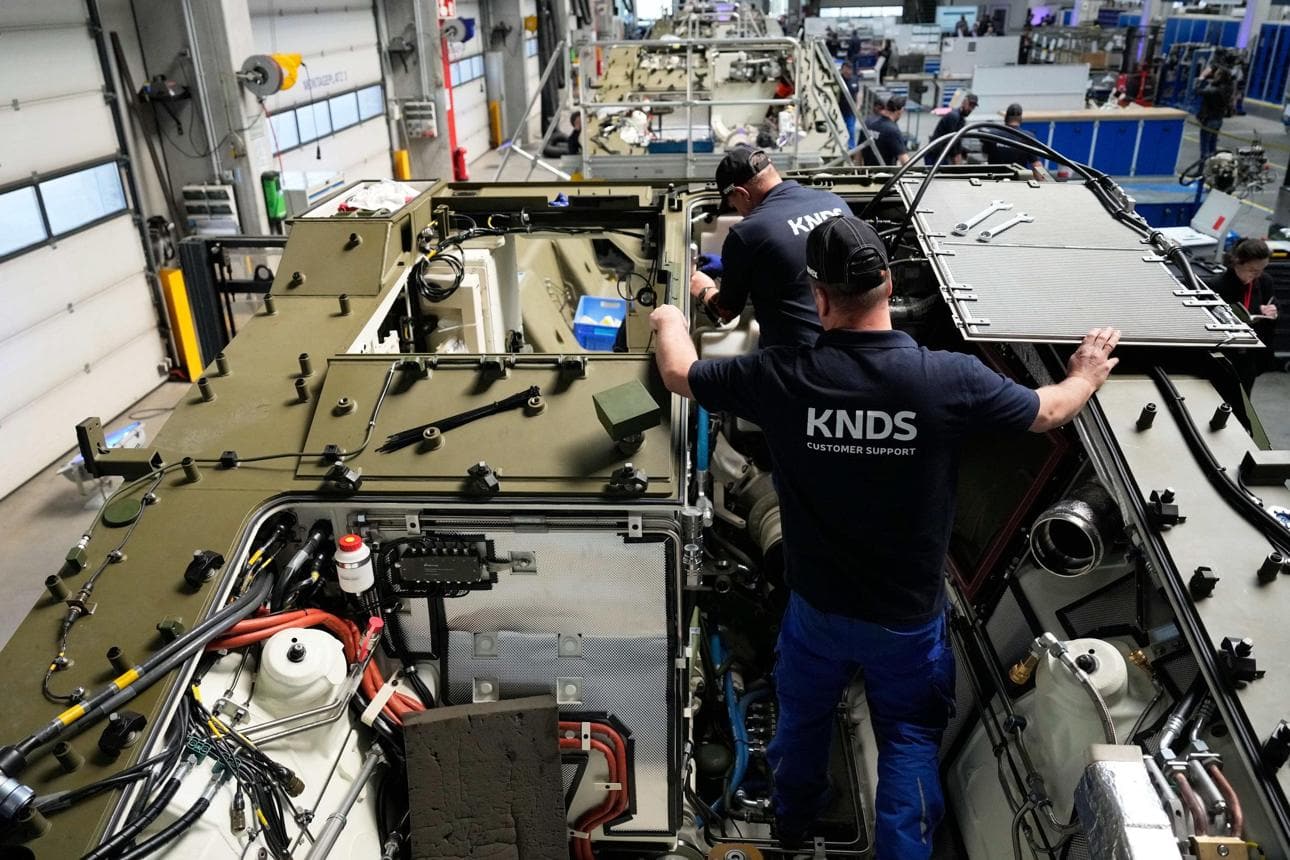
The Defence Industry Programme funds several things. It supports joint purchases by member states, higher output and shorter lead times for manufacturers, and a framework for defence projects of common interest. It also creates a framework for industrial cooperation with Ukraine, the first EU mechanism to secure supplies of defence products in a crisis, a European military sales mechanism with a catalogue and pools of products for swift delivery, and a legal toolbox for long-term armaments cooperation.

Eligibility rules carry the political weight. Companies must be established in the Union with executive management in the Union, and they must use EU infrastructure and assets. At least 65 percent of the component cost must originate in the EU, the European Economic Area or associated countries, and the design authority must generally sit in the EU. Those conditions aim to keep the money inside the European industrial base.

Ukraine receives its own channel. The Ukraine Support Instrument carries the €300 million envelope and rewards cooperative procurement with Ukraine, while it also pays for expansion of Ukrainian manufacturing capacity. The Defence Industry Programme builds on two earlier tools, the instrument for common procurement and the act in support of ammunition production, and it puts measures from the March 2024 defence industrial strategy into practice.

The numbers invite a sober reading. A programme of €1.5 billion over three years is small beside national defence budgets, which the sources I reviewed do not quantify. The page I reviewed predates October 2026 and names no officials, so I cannot report fresh reactions from industry or governments.

What matters next is delivery. If the first calls open on schedule and the content test proves workable for firms with global supply chains, the Defence Industry Programme will show whether joint European funding can change procurement habits before the next long-term budget takes over.