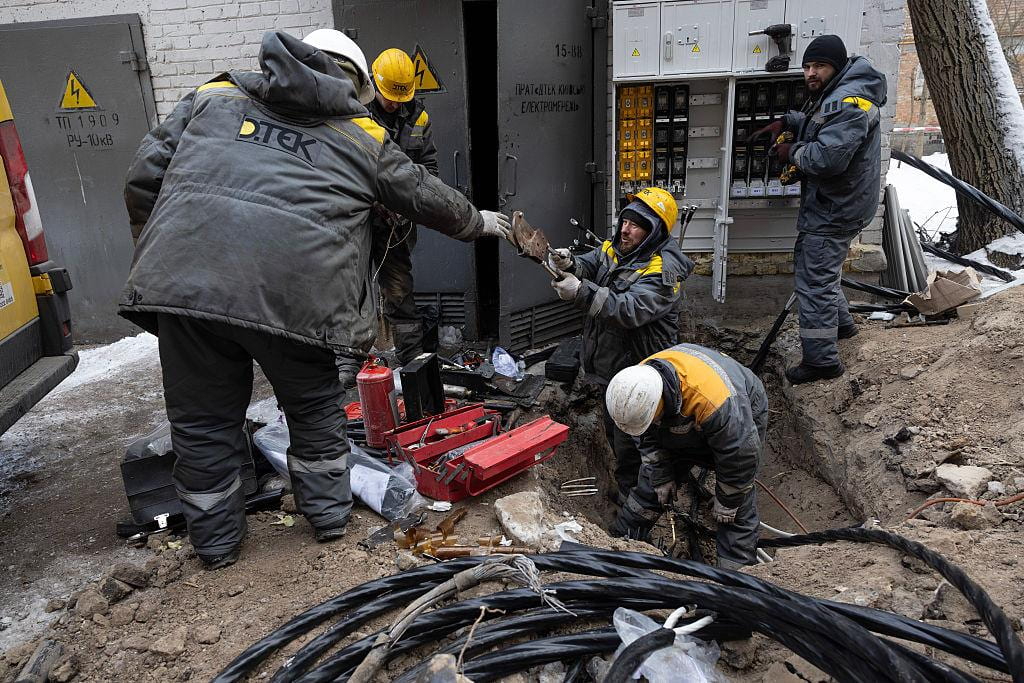
Gdańsk: Donors have committed more than €900 million in Ukraine winter energy support for 2026 and 2027, according to figures published by Ukrainian media on 3 November 2026. The money pays for repairs, equipment and fuel as Russian strikes continue to target power infrastructure, and the European Union remains one of the largest contributors.
The EU earmarked €922 million for this winter, an amount it announced on 24 February 2026. Last winter’s EU package reached €977 million, so the new figure is slightly lower, although the European Commission has now allocated over €4 billion to Ukraine’s energy needs since the full-scale invasion. Delivery runs through the EU Civil Protection Mechanism, which sends equipment from member state stocks on request.
The Ukraine Energy Support Fund, created in April 2022, has raised more than €2.4 billion, including €559 million since March 2026. Germany leads with over €800 million, followed by Sweden with €383 million and the EU with €279 million. Norway contributed €209 million and the United Kingdom €202 million. These totals show that Ukraine winter energy support rests on a coalition larger than the Union itself.
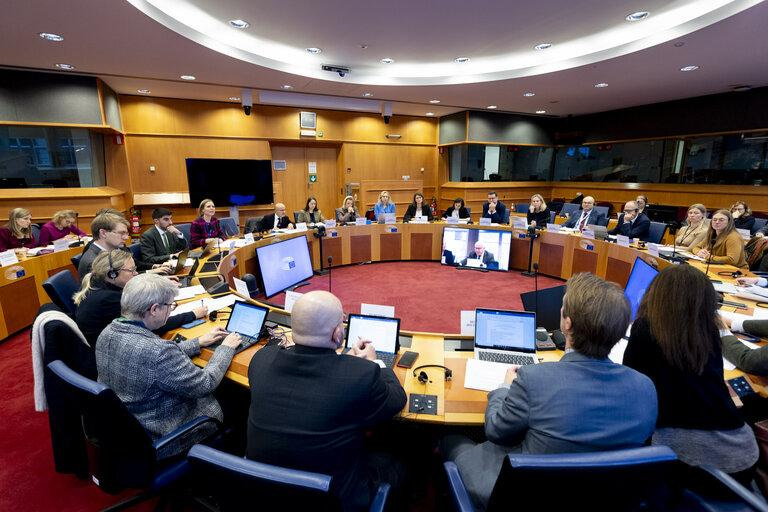
A second channel opened at the Ukraine Recovery Conference in Gdańsk, where an energy platform raised more than €550 million. The Netherlands pledged €178 million, the United States $175 million and Sweden €137 million, while Norway added €77 million. Lithuania gave €4 million and Estonia just over €2 million, proving that smaller states also carry weight in Ukraine winter energy support.
The United Kingdom guaranteed a loan of £210 million for nuclear fuel, a reminder that the challenge goes beyond generators and transformers. Ukraine, for its part, introduced a one-time winter payment of 19,400 hryvnias for vulnerable citizens, which helps households that cannot afford higher bills or alternative heating.
Commission President Ursula von der Leyen has argued for reliable electricity supply and decentralised renewable generation, an approach that makes the grid harder to knock out with a single missile. Small solar and storage units close to consumers keep hospitals and water pumps running even when a large substation fails. That logic increasingly shapes how donors spend their money.
The figures come from a Ukrainian media summary citing an infographic, so officials should confirm exact amounts and timing in their own releases. What matters for planners is delivery speed. Equipment that arrives after the first deep frost helps far less than equipment installed in October, and the real test of Ukraine winter energy support will be how many households keep heating and light through January.