Ljubljana: Households across the single-currency area felt the sting again in July, as eurozone inflation climbed to 2.9 percent, up from 2.8 percent in June. Eurostat’s flash estimate, published on 31 July, showed that the cost of living is proving stubborn even as the European Central Bank keeps its policy rate steady.
Energy did most of the damage. Prices for fuel, gas and electricity jumped 10.0 percent over the year, a sharp acceleration from 8.5 percent a month earlier, and they alone explain much of the uptick. Services, the stickiest part of the basket, edged up to 3.3 percent, while food, alcohol and tobacco cooled to 1.2 percent and industrial goods rose a modest 0.9 percent.
Economists watch the core measure most closely, because it strips out volatile food and energy and reveals the underlying trend. That gauge ticked up to 2.5 percent from 2.4 percent, a small move but an unwelcome one for a central bank that wants prices to settle at 2 percent.
Slovenia offers a useful vantage point. Smaller euro members often import their energy and pass the bill straight to consumers, so a spike in wholesale gas quickly shows up on household statements from Ljubljana to Tallinn. National statistics agencies feed their numbers into the euro-area total, and the July reading confirmed that the gap between high-inflation and low-inflation members has not closed.
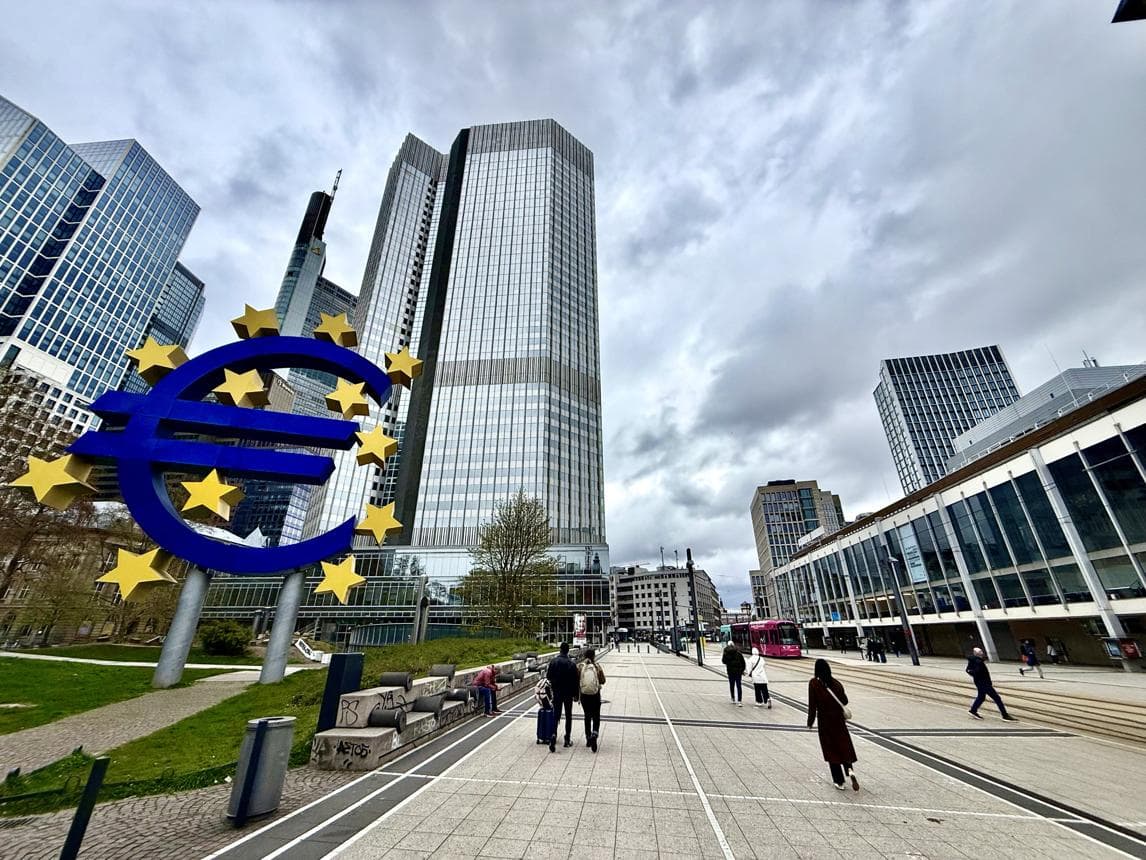
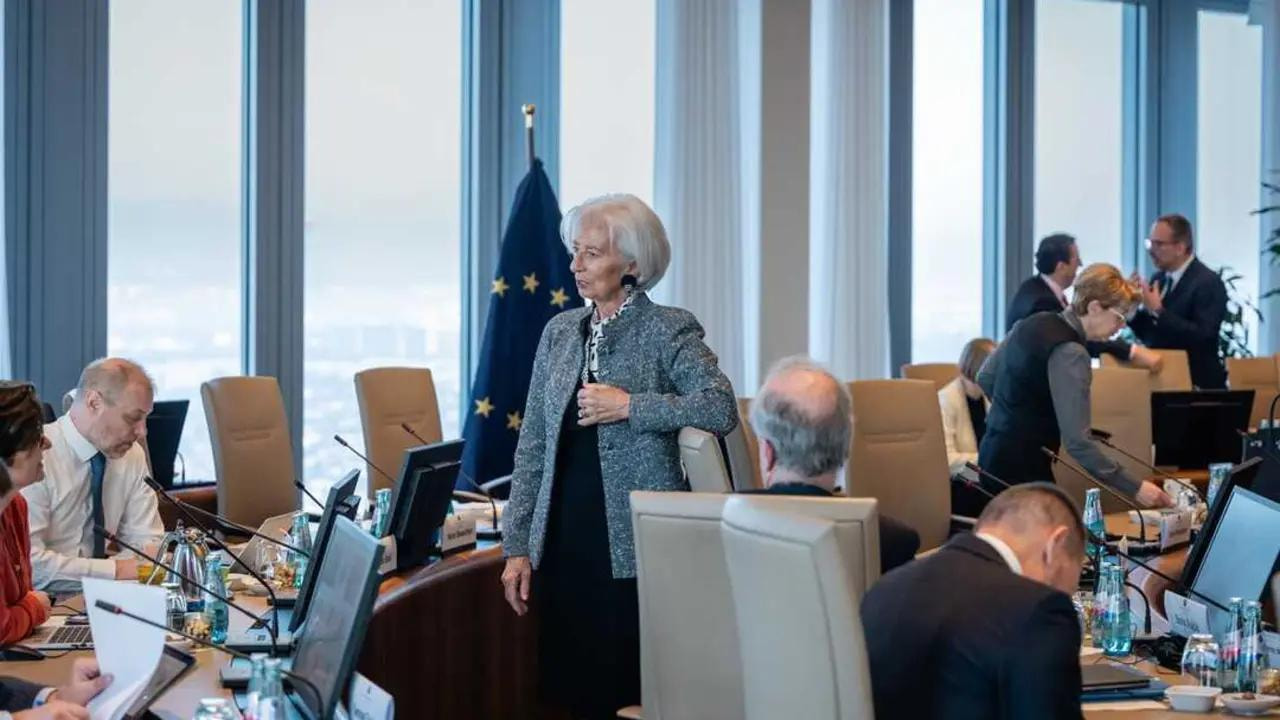
For the European Central Bank, the figure complicates an already delicate call. Policymakers have signalled that they see rate cuts as broadly finished for now, and a fresh energy shock hands the hawks on the Governing Council a reason to wait. Markets that had bet on one more reduction before the winter trimmed those wagers after the release.
The politics are just as awkward. Governments had hoped to tell voters that the inflation crisis of recent years was firmly behind them, and a headline number drifting back toward 3 percent muddies that message. Energy ministers now face renewed pressure to explain why gas prices keep climbing even as the bloc pours money into renewables and storage.
Eurostat will confirm the detailed breakdown later in August, and revisions sometimes shave a tenth of a point off the flash reading. The trend, though, looks clear enough. You can read the agency’s own summary of the July estimate on its euro-indicators page, and reporters have mapped where the increases bit hardest in a country-by-country breakdown.
Whether this proves a blip or a turn depends almost entirely on energy markets through the autumn. If gas prices ease, the number should drift back down; if they do not, the central bank’s patience will face a real test.