
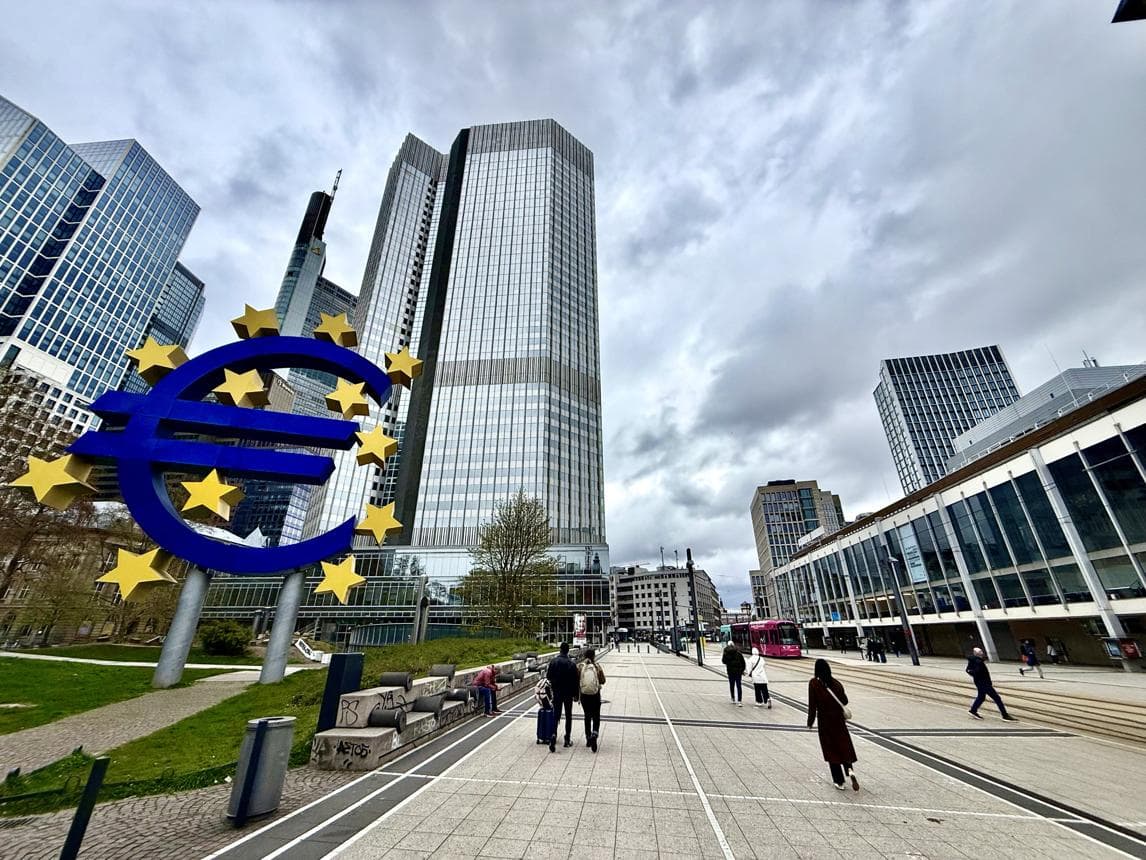
Stockholm: Eurozone growth found its footing again in the spring, as fresh figures showed the currency bloc expanding twice as fast as it managed at the start of the year.
Output across the euro area rose 0.4 percent between April and June compared with the previous quarter, according to Eurostat’s flash estimate released on 30 July. The wider European Union did slightly better, growing 0.5 percent. Both readings mark a clear rebound from a first quarter in which the euro-area economy barely moved.
The annual picture cheered economists more than the quarterly one. Measured against the same period a year earlier, the euro area grew 1.0 percent, double the 0.5 percent recorded in the previous reading, while the EU expanded 1.2 percent. A single quarter rarely settles an argument, but the acceleration suggests the bloc has shaken off the near-stagnation that dogged it through 2025.
Stockholm has reason to feel pleased. Sweden posted 1.4 percent quarterly growth, among the strongest results on the continent and a sign that its export machine and consumers held up better than the gloomy mood implied. The Nordic economy has long argued that flexible labour markets and heavy investment in technology give it an edge, and the spring numbers hand it fresh evidence.
Ireland ran away with the honours, expanding 3.9 percent in three months, though its figures swing wildly because global companies book so much activity through Dublin. Lithuania came next at 1.7 percent, underlining how several smaller economies now outpace the bloc’s heavyweights.
Those heavyweights told a duller story. Germany, France and Italy each grew just 0.2 percent, a tepid showing from the economies that together define the continent’s momentum. Spain fared better at 0.7 percent, while Belgium and Austria stalled completely with no growth at all.
The divergence hands the European Central Bank a delicate task. Rate-setters weighing their September meeting must reconcile a firming recovery with inflation that has crept upward, judging whether the economy needs more support or fresh restraint. A stronger annual growth rate gives the doves less room to argue for cuts.
Trade tensions and an uncertain external environment still cloud the outlook. European exporters have navigated shifting tariffs and softer demand from major partners, and a rebound built partly on volatile corporate accounting invites caution. Eurostat itself labels the reading preliminary and will revise it as national statisticians report fuller data.
For all the caveats, the direction matters. After a year in which the bloc flirted with recession and ceded ground to faster-growing rivals, a spring quarter that doubled the pace of expansion offers policymakers a rare piece of good news to build upon. The question now is whether the summer sustains it.


