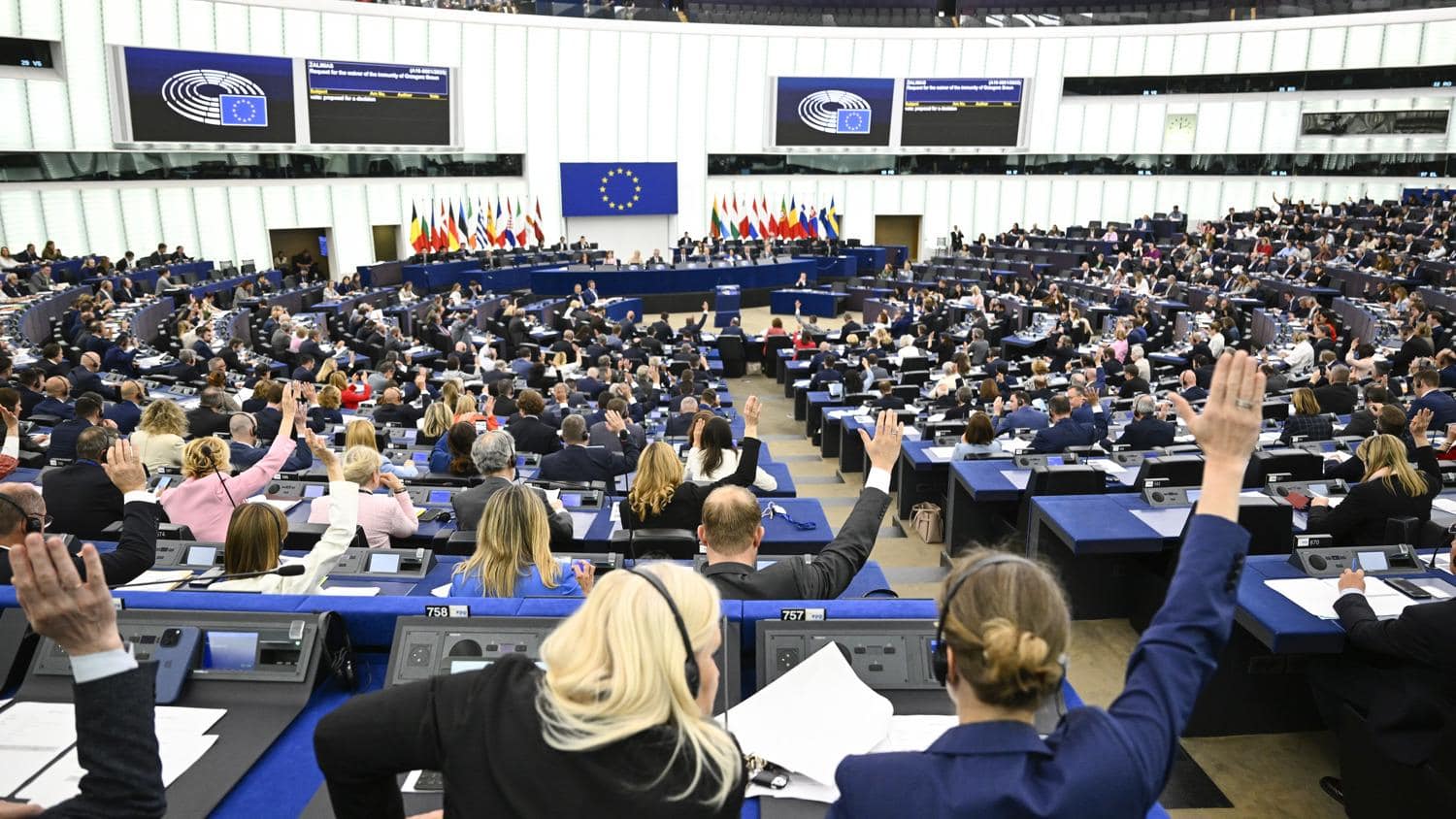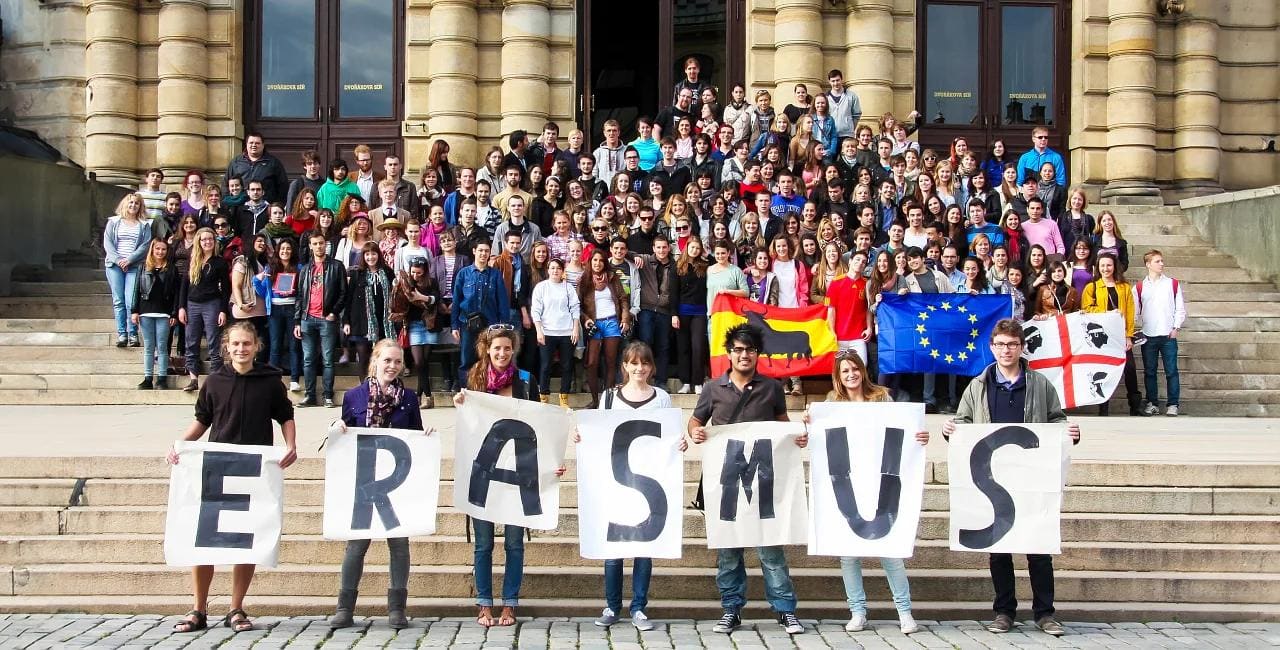
Salamanca: The Erasmus+ 2028-2034 budget should reach €47.39 billion, according to the negotiating position that the European Parliament adopted on 22 October 2026 by 454 votes to 34, with 93 abstentions.
The Commission proposed the programme on 16 July 2025 as part of the 2028-2034 multiannual financial framework, with a budget of about €40.8 billion. Parliament wants €47.39 billion in current prices, so its Erasmus+ 2028-2034 budget request exceeds the Commission figure by roughly €6.6 billion. Rapporteur Bogdan Zdrojewski, a Polish member of the EPP group, led the file. The text sets shares of 74.6 percent for education and learning, 15 percent for youth and volunteering and 4.1 percent for sport.
The mandate also changes who can take part and how much support participants receive. Grants would reflect host-country and host-city living and housing costs, with extra support for travel to distant locations. The European Solidarity Corps and the European Voluntary Humanitarian Aid Corps would fold into Erasmus+, and access would widen to grassroots athletes, coaches and vocational teachers and trainers. Renew Europe wants at least 20 percent of mobility participants to come from groups with fewer opportunities.
Candidate countries would join faster without first completing association, and ties with the United Kingdom and Switzerland would grow stronger. Parliament also calls for closer coordination with Horizon Europe, the European Competitiveness Fund, Global Europe and the National and Regional Partnership funds. Amendments from the Patriots for Europe and Europe of Sovereign Nations groups on third-country readmission and on excluding certain organisations from funding failed, according to Agence Europe.
The budget is the sharpest dividing line with member states. Renew Europe’s Laurence Farreng called the Council’s proposed cut deeply irresponsible, so the Erasmus+ 2028-2034 budget will test how far governments follow Parliament’s higher figure.
The gap between the two figures frames the coming negotiation. Parliament’s case, as its text suggests, is that a programme covering school education, vocational training, youth work, volunteering and sport cannot widen its target groups without more money. Supporters of the higher Erasmus+ 2028-2034 budget also point to the inclusion of the Solidarity Corps and humanitarian volunteers, which would bring existing schemes under one roof and one budget line. Member states, which fund the programme through the overall EU budget, will weigh those arguments against their own pressure on public finances.
Parliament is ready to open talks with the Council once member states agree their full mandate, including overall budget levels. No timeline has been set. Until then, the Erasmus+ 2028-2034 budget remains a Parliament demand, and students, trainers and volunteers will watch the Council’s next move on the overall budget.