August 7, 2026
LATEST
Europe Locks Chinese Medical Devices Out of Its Public TendersHow Far Can Europe and Japan Take Their New Security Pact NowSeoul’s Gamble on Europe’s Research Money Is Starting to Pay OffEurope Freezes Its Retaliatory Tariffs on the US IndefinitelyAir Passenger Rights Get Their First Big Rewrite in 20 YearsFive Joint Defence Projects Win Brussels Backing and Shared CashTobacco Tax Overhaul Stalls as Governments Block UnanimityCritical Medicines Act Heads for Final Adoption This AutumnMoldova Accession Reaches Its Foreign-Policy ChapterMercosur Tariffs Fall as Europe’s Farmers Watch the GaugesWhy Europe’s Digital Fairness Act Worries Online RetailersErasmus+ Faces a Budget Fight Before Its 2028 RelaunchMedia Freedom Rules Turn One as Enforcement LagsPlatform Work Rules Push Member States Toward a December ReckoningSingle Ticket Plan Would Let One Booking Cover Europe by RailHungary Races an August Deadline to Unlock Its Recovery FundsCapitals Race a September Deadline to Restore NatureEuro-Zone Inflation Nudges Back Up as Energy Bills ClimbRed Bull Case Tests a New Frontier in EU AntitrustNew EU Packaging Rules Reach Shoppers as August Deadline HitsEurope Locks Chinese Medical Devices Out of Its Public TendersHow Far Can Europe and Japan Take Their New Security Pact NowSeoul’s Gamble on Europe’s Research Money Is Starting to Pay OffEurope Freezes Its Retaliatory Tariffs on the US IndefinitelyAir Passenger Rights Get Their First Big Rewrite in 20 YearsFive Joint Defence Projects Win Brussels Backing and Shared CashTobacco Tax Overhaul Stalls as Governments Block UnanimityCritical Medicines Act Heads for Final Adoption This AutumnMoldova Accession Reaches Its Foreign-Policy ChapterMercosur Tariffs Fall as Europe’s Farmers Watch the GaugesWhy Europe’s Digital Fairness Act Worries Online RetailersErasmus+ Faces a Budget Fight Before Its 2028 RelaunchMedia Freedom Rules Turn One as Enforcement LagsPlatform Work Rules Push Member States Toward a December ReckoningSingle Ticket Plan Would Let One Booking Cover Europe by RailHungary Races an August Deadline to Unlock Its Recovery FundsCapitals Race a September Deadline to Restore NatureEuro-Zone Inflation Nudges Back Up as Energy Bills ClimbRed Bull Case Tests a New Frontier in EU AntitrustNew EU Packaging Rules Reach Shoppers as August Deadline Hits
August 7, 2026
LATEST
Europe Locks Chinese Medical Devices Out of Its Public TendersHow Far Can Europe and Japan Take Their New Security Pact NowSeoul’s Gamble on Europe’s Research Money Is Starting to Pay OffEurope Freezes Its Retaliatory Tariffs on the US IndefinitelyAir Passenger Rights Get Their First Big Rewrite in 20 YearsFive Joint Defence Projects Win Brussels Backing and Shared CashTobacco Tax Overhaul Stalls as Governments Block UnanimityCritical Medicines Act Heads for Final Adoption This AutumnMoldova Accession Reaches Its Foreign-Policy ChapterMercosur Tariffs Fall as Europe’s Farmers Watch the GaugesWhy Europe’s Digital Fairness Act Worries Online RetailersErasmus+ Faces a Budget Fight Before Its 2028 RelaunchMedia Freedom Rules Turn One as Enforcement LagsPlatform Work Rules Push Member States Toward a December ReckoningSingle Ticket Plan Would Let One Booking Cover Europe by RailHungary Races an August Deadline to Unlock Its Recovery FundsCapitals Race a September Deadline to Restore NatureEuro-Zone Inflation Nudges Back Up as Energy Bills ClimbRed Bull Case Tests a New Frontier in EU AntitrustNew EU Packaging Rules Reach Shoppers as August Deadline HitsEurope Locks Chinese Medical Devices Out of Its Public TendersHow Far Can Europe and Japan Take Their New Security Pact NowSeoul’s Gamble on Europe’s Research Money Is Starting to Pay OffEurope Freezes Its Retaliatory Tariffs on the US IndefinitelyAir Passenger Rights Get Their First Big Rewrite in 20 YearsFive Joint Defence Projects Win Brussels Backing and Shared CashTobacco Tax Overhaul Stalls as Governments Block UnanimityCritical Medicines Act Heads for Final Adoption This AutumnMoldova Accession Reaches Its Foreign-Policy ChapterMercosur Tariffs Fall as Europe’s Farmers Watch the GaugesWhy Europe’s Digital Fairness Act Worries Online RetailersErasmus+ Faces a Budget Fight Before Its 2028 RelaunchMedia Freedom Rules Turn One as Enforcement LagsPlatform Work Rules Push Member States Toward a December ReckoningSingle Ticket Plan Would Let One Booking Cover Europe by RailHungary Races an August Deadline to Unlock Its Recovery FundsCapitals Race a September Deadline to Restore NatureEuro-Zone Inflation Nudges Back Up as Energy Bills ClimbRed Bull Case Tests a New Frontier in EU AntitrustNew EU Packaging Rules Reach Shoppers as August Deadline Hits

Herring Advice Points to a Zero-Catch Year in the Baltic

Kiel: Scientists have told Europe’s fisheries ministers to stop catching one of the Baltic’s signature fish. The International Council for the Exploration of the Sea now advises zero catch of western Baltic spring-spawning herring for both 2027 and 2028, warning that no fishing plan can rebuild the collapsed stock in time even if boats stay in port.

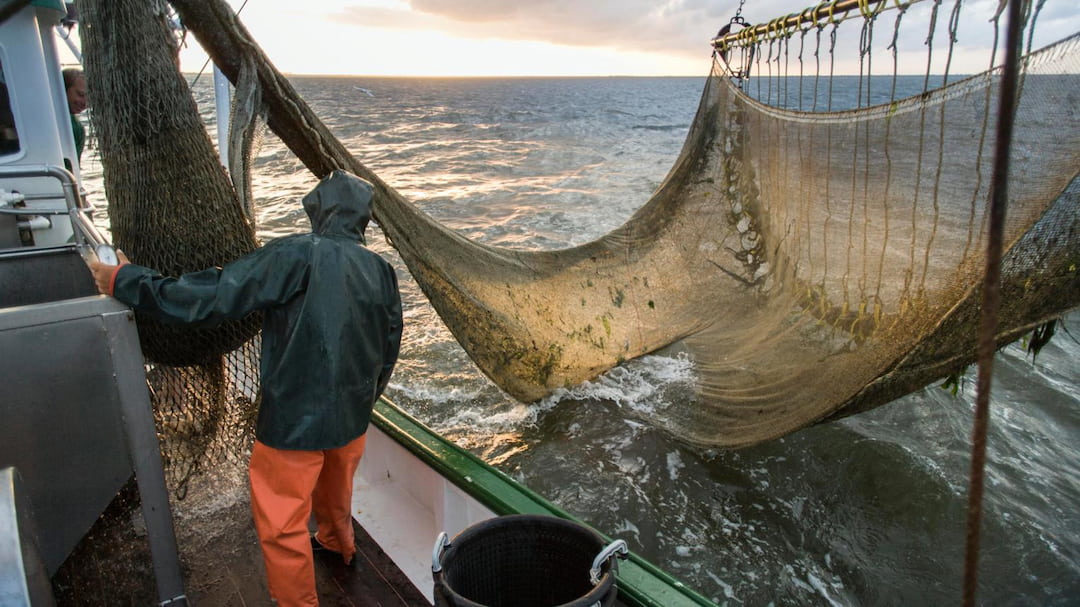
The verdict lands hard on German and Danish coastal crews who built their year around the herring run. For them the advice confirms a slow-motion crisis: spawning biomass has fallen below every safety threshold scientists use, and the fish that once filled smokehouses along the Schleswig-Holstein coast have thinned to a remnant. Recovering these herring stocks now depends on cold luck as much as policy.

The Baltic picture reflects a wider strain across northern waters. For North Sea cod, the European Union, Norway and the United Kingdom agreed a shared quota of just over 14,000 tonnes for this year, a cut of nearly half against 2025, and pledged to keep spawning grounds closed. The same coastal states have begun weighing catch limits for 2027, and the scientific signals point downward for several flagship stocks.

Ministers face a familiar bind. The Common Fisheries Policy commits them to fish at sustainable levels, yet each cut strips income from ports that have few other employers. When advice reaches zero, the political cost peaks, because a formal closure ends a fishery outright rather than merely trimming it. Governments have sometimes softened such calls into small by-catch allowances, a move conservation groups say only delays recovery.

The herring case leaves little room for that compromise. Scientists stress that even a complete halt may not lift the stock above danger levels before the end of the decade, which undercuts the argument that a token quota does no harm. Fishing associations reply that a closed fishery erases the crews, vessels and processing lines the Baltic will need once herring return, warning of a coast that recovers its fish but loses its fleet.

The Commission will fold the scientific advice into its autumn proposal for next year’s Baltic catch limits, which ministers typically settle in a marathon October session. Expect a fight over whether to accept the zero figure outright or carve out narrow exceptions for boats that catch herring incidentally while chasing sprat.

Beyond the numbers sits a blunt ecological message. Warming water, nutrient runoff and decades of heavy fishing have reshaped the Baltic food web, and herring sit near its centre. Their retreat ripples out to cod, seabirds and seals, and it tests whether Europe can hold its nerve on conservation when the science asks fishers to give up a harvest entirely.