Vilnius: Lithuania rarely leads the pack on European legislation, yet on one closely watched file it did exactly that. When the clock ran out, this small Baltic state stood among the very few that had done their homework.
The file is the Union’s pay transparency directive, the law meant to expose and close the gender pay gap. Its transposition deadline fell on 7 June, and the results embarrassed most of the bloc.
Only four countries crossed the line in time. Italy, Slovakia, Lithuania and Malta had complete national legislation in force on the deadline, while the remaining twenty-three lagged behind at various stages of drafting and debate.
The directive asks a great deal of employers. Companies must publish salary ranges to job applicants, drop questions about a candidate’s pay history, and investigate any unjustified gender gap above 5% together with worker representatives.
Those obligations reshape everyday hiring. A recruiter can no longer anchor an offer to what someone earned before, a practice that quietly carried old inequalities from one job to the next. Applicants gain the right to know the pay on offer before they apply.
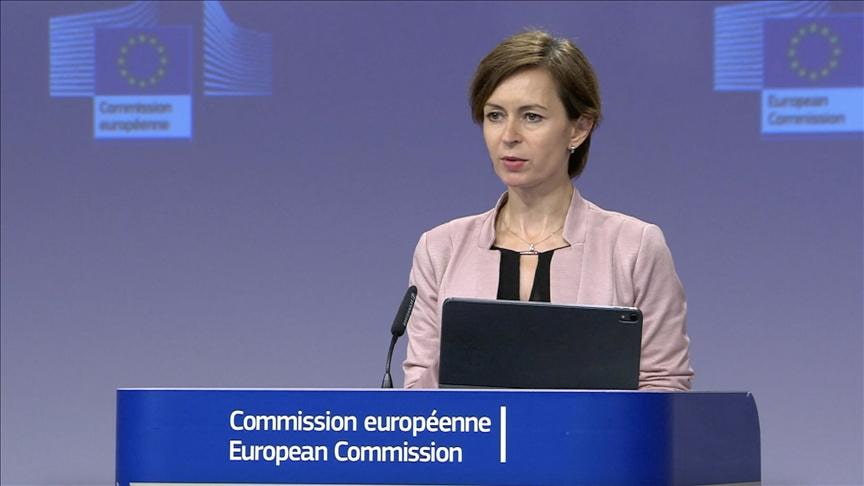
The Commission refuses to blink. It has ruled out any pause, extension or carve-out through a future simplification package, insisting that the law stands as written. Equality officials frame the directive as a test of whether the bloc means what it legislates.
Brussels backs the tough talk with a threat. The Commission signalled that infringement proceedings may follow for the laggards, starting with letters of formal notice expected later this year. Member states that dawdle now face legal pressure on top of political embarrassment.
Employers, meanwhile, cannot wait for their governments to act. Multinationals operating across several member states must comply with the strictest regime they touch, so many already rebuild their pay structures rather than gamble on a slow national rollout.
Lithuania’s early move gives its workers a head start. Employees here can already lean on the new rights, while colleagues elsewhere wait for their parliaments to catch up. The gap creates an uneven playing field the directive was meant to erase.
The Commission explains the rights and duties on its equal pay pages, and it urges workers to learn what they can now demand.
Unions welcome the firm line from Brussels. They spent years arguing that voluntary measures never shifted the pay gap far, and they see enforcement as the only route to real change. Business groups warn instead about the compliance burden on smaller firms.
The coming months will reveal whether pressure works. If formal notices land as promised, the reluctant twenty-three may finally move. For now, four states show what timely action looks like, and the rest carry the awkward label of latecomers.