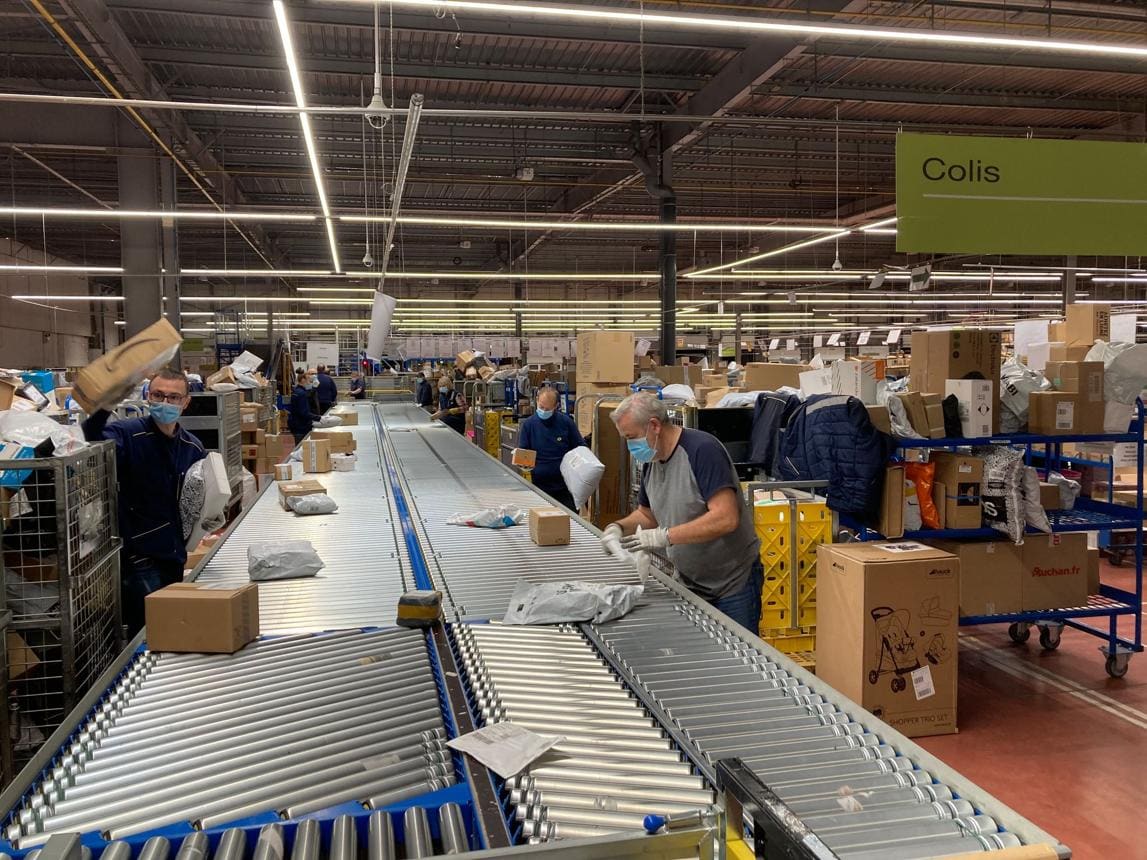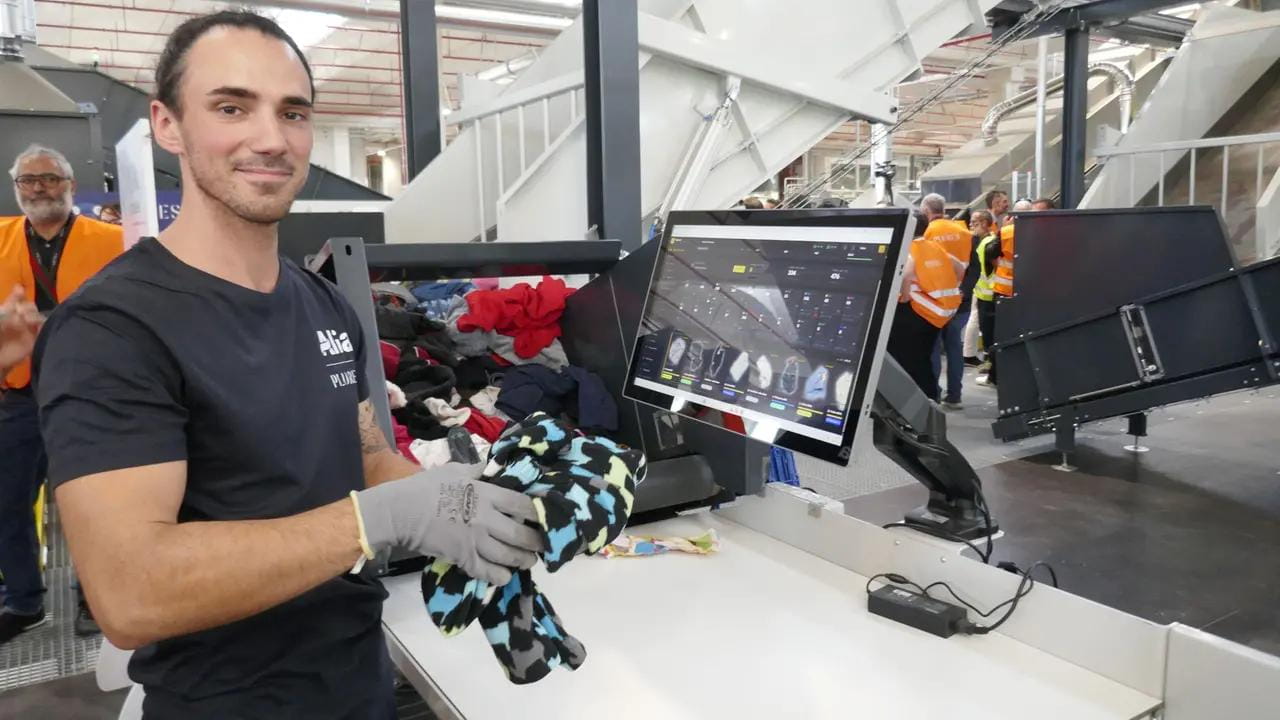
Prato: The mills that sort and respin Tuscany’s discarded clothing have spent two years preparing for a digital label that still does not legally exist. That gap is about to narrow at one end only. The European Commission is bringing the central registry behind the digital product passports into service this quarter, even though no product category yet carries an obligation to file one.
The sequence looks strange until you read the Ecodesign for Sustainable Products Regulation as an architect rather than a legislator. The regulation created a frame; delegated acts fill it product group by product group. Each act sets the performance requirements and, separately, decides what information a passport must carry. Without those acts, the passport is a container with nothing to hold.
Textiles sit at the top of the Commission’s priority list, and industry had read that as shorthand for early rules. It now looks like a 2027 adoption at the earliest, followed by a transition period running at least eighteen months. Brands planning compliance budgets should therefore expect the first mandatory textile passports around 2028, not next year.
Recyclers take a harder view of the delay than the brands do. Sorting lines that separate polyester blends from cotton depend on knowing what entered the garment in the first place, and today they guess. A passport recording fibre composition, chemical treatments and repair history would raise the value of the output bale measurably. Every year of delay is a year of downcycling.
The registry itself deserves more attention than it gets. It will not store the passport data; it stores the identifiers and the pointers, so that a customs officer, a market surveillance authority or a repair shop can resolve a code to a source. Building that layer first is defensible engineering. It also lets the Commission switch product groups on without rebuilding the plumbing each time.
Companies that moved early face an awkward interval. Several large apparel groups already issue voluntary passports through private schemes, and those schemes use their own identifier conventions. Aligning them with the EU registry will cost money that nobody budgeted for a second time. The Commission’s own guidance on the passport stresses interoperability, which is a polite way of saying that proprietary formats will lose.
There is a fair counterargument to the whole exercise. A passport only helps if someone reads it, and consumer research on scannable sustainability labels shows low engagement. The stronger case rests elsewhere. Regulators, waste operators and second-hand platforms are the real users, and they read data at scale rather than one garment at a time.
Watch two things over the next six months. The first is whether the Commission publishes the technical specification for identifiers alongside the registry launch, because vendors cannot build without it. The second is whether the textiles act arrives with enforcement teeth or with a long list of exemptions for small producers. Prato’s mills care rather more about the second than the first.