September 22, 2026
LATEST
One Ticket Promise Meets Its First Real Test Inside the CouncilCyprus Judge Takes Over a General Court Still Absorbing CasesSkills Portability Act Sets Five Weeks as the New Recognition LimitIreland Reopens the Digital Omnibus With Cookies Back in PlayMinisters Weigh the Long-Term Budget Before a Negotiating BoxSocial Partners Have One Week Left to Shape the Quality Jobs ActPhuket Round Decides Whether Thailand Closes Its Deal This YearSyria’s Banks Reconnect While Europe’s Risk Premium Stays PutMercosur’s First Health Ban Tests a Deal Still Being RatifiedBudget Performance Regulation Slips Toward a 2027 VotePontes Digital Euro Platform Goes Live for 13 BanksEU Arctic Drilling Ban Survives Norway’s Lobbying PushPrivacy Watchdog Wants Tighter Limits on Eurojust’s New DatabasesScrutiny Board Sends Europe’s Circular Economy Act Back for ReworkLow-LEO Studies Open the Next Chapter for Europe’s IRIS2 PlanFour Indo-Pacific Partners Join Europe’s Ministers in New YorkWildfire Season Closes Above Average as the rescEU Fleet GrowsQuality Education Roadmap Lands in November With Three FrontsPartnership Plans Recast Cohesion Policy Before Anyone VotesHandling Fee on Small Parcels Must Be Ready by 1 November 2026One Ticket Promise Meets Its First Real Test Inside the CouncilCyprus Judge Takes Over a General Court Still Absorbing CasesSkills Portability Act Sets Five Weeks as the New Recognition LimitIreland Reopens the Digital Omnibus With Cookies Back in PlayMinisters Weigh the Long-Term Budget Before a Negotiating BoxSocial Partners Have One Week Left to Shape the Quality Jobs ActPhuket Round Decides Whether Thailand Closes Its Deal This YearSyria’s Banks Reconnect While Europe’s Risk Premium Stays PutMercosur’s First Health Ban Tests a Deal Still Being RatifiedBudget Performance Regulation Slips Toward a 2027 VotePontes Digital Euro Platform Goes Live for 13 BanksEU Arctic Drilling Ban Survives Norway’s Lobbying PushPrivacy Watchdog Wants Tighter Limits on Eurojust’s New DatabasesScrutiny Board Sends Europe’s Circular Economy Act Back for ReworkLow-LEO Studies Open the Next Chapter for Europe’s IRIS2 PlanFour Indo-Pacific Partners Join Europe’s Ministers in New YorkWildfire Season Closes Above Average as the rescEU Fleet GrowsQuality Education Roadmap Lands in November With Three FrontsPartnership Plans Recast Cohesion Policy Before Anyone VotesHandling Fee on Small Parcels Must Be Ready by 1 November 2026
September 22, 2026
LATEST
One Ticket Promise Meets Its First Real Test Inside the CouncilCyprus Judge Takes Over a General Court Still Absorbing CasesSkills Portability Act Sets Five Weeks as the New Recognition LimitIreland Reopens the Digital Omnibus With Cookies Back in PlayMinisters Weigh the Long-Term Budget Before a Negotiating BoxSocial Partners Have One Week Left to Shape the Quality Jobs ActPhuket Round Decides Whether Thailand Closes Its Deal This YearSyria’s Banks Reconnect While Europe’s Risk Premium Stays PutMercosur’s First Health Ban Tests a Deal Still Being RatifiedBudget Performance Regulation Slips Toward a 2027 VotePontes Digital Euro Platform Goes Live for 13 BanksEU Arctic Drilling Ban Survives Norway’s Lobbying PushPrivacy Watchdog Wants Tighter Limits on Eurojust’s New DatabasesScrutiny Board Sends Europe’s Circular Economy Act Back for ReworkLow-LEO Studies Open the Next Chapter for Europe’s IRIS2 PlanFour Indo-Pacific Partners Join Europe’s Ministers in New YorkWildfire Season Closes Above Average as the rescEU Fleet GrowsQuality Education Roadmap Lands in November With Three FrontsPartnership Plans Recast Cohesion Policy Before Anyone VotesHandling Fee on Small Parcels Must Be Ready by 1 November 2026One Ticket Promise Meets Its First Real Test Inside the CouncilCyprus Judge Takes Over a General Court Still Absorbing CasesSkills Portability Act Sets Five Weeks as the New Recognition LimitIreland Reopens the Digital Omnibus With Cookies Back in PlayMinisters Weigh the Long-Term Budget Before a Negotiating BoxSocial Partners Have One Week Left to Shape the Quality Jobs ActPhuket Round Decides Whether Thailand Closes Its Deal This YearSyria’s Banks Reconnect While Europe’s Risk Premium Stays PutMercosur’s First Health Ban Tests a Deal Still Being RatifiedBudget Performance Regulation Slips Toward a 2027 VotePontes Digital Euro Platform Goes Live for 13 BanksEU Arctic Drilling Ban Survives Norway’s Lobbying PushPrivacy Watchdog Wants Tighter Limits on Eurojust’s New DatabasesScrutiny Board Sends Europe’s Circular Economy Act Back for ReworkLow-LEO Studies Open the Next Chapter for Europe’s IRIS2 PlanFour Indo-Pacific Partners Join Europe’s Ministers in New YorkWildfire Season Closes Above Average as the rescEU Fleet GrowsQuality Education Roadmap Lands in November With Three FrontsPartnership Plans Recast Cohesion Policy Before Anyone VotesHandling Fee on Small Parcels Must Be Ready by 1 November 2026

Parcel Handling Fee Arrives in November With No Amount Set Yet

Lille: The city that will host the European Union’s first central customs body does not yet know what the Union’s newest charge will cost. On 16 September 2026 the European Parliament gave its consent to the recast of the Union Customs Code, completing a legislative procedure that the Council had already closed on 3 September. The reform is the largest structural change to the customs union since it was completed in 1968, and it lands with one conspicuous blank in it.

That blank is the handling fee. From no later than 1 November 2026, member states must begin collecting a Union-wide charge on goods ordered directly from sellers outside the bloc. The legislation establishes the obligation, assigns the revenue, and instructs that the amount be reviewed every two years. It does not say what the amount is. That decision rests with the European Commission, which has not published a figure with six weeks to run before the collection duty bites.

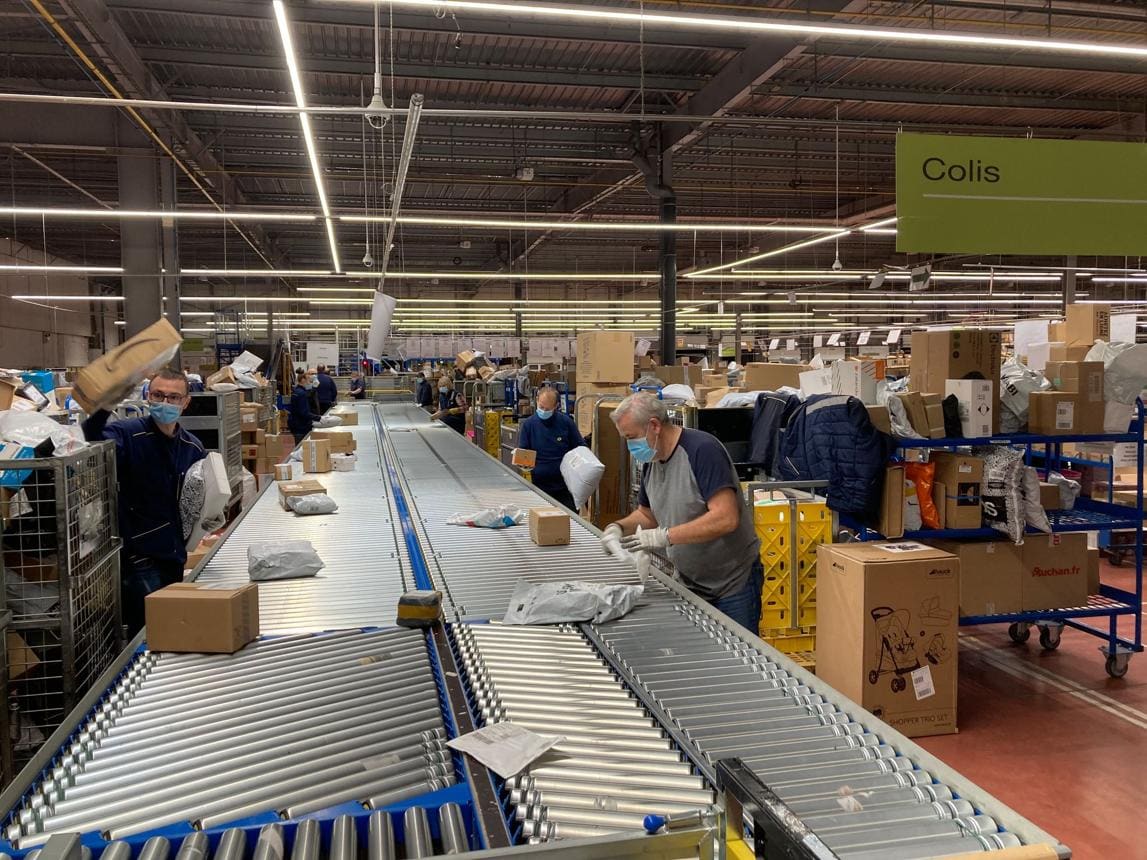
The practical consequence is that national administrations are being asked to build collection systems around a number they have not been given. Postal operators and express carriers price their services months ahead; a fee of one euro and a fee of five euros imply different contracts, different customer disclosures, and different volumes. The fee is legally distinct from the transitional three-euro customs duty that has applied since 1 July 2026 to small consignments valued below 150 euros, which means an item may attract both. Whether consumers will read the two charges as one is a question of communication rather than law, and no institution owns it.

The rapporteur who carried the file through Parliament, Dirk Gotink of the European People’s Party, described European customs officers as overwhelmed by a wave of low-value parcels arriving from China. The volume argument is the reform’s centre of gravity. Under the new rules, online platforms and third-country sellers shipping directly to European consumers are treated as importers. That reclassification transfers the obligation to supply customs data, to account for charges due, and to ensure that goods meet Union product law from the buyer, who cannot realistically discharge it, to the seller, who can.

Enforcement follows the reclassification. Firms that breach customs rules repeatedly face financial penalties calibrated to the value of goods they imported into the Union over the preceding twelve months, running from a floor of one per cent to a ceiling of six per cent. For a platform moving large volumes at thin margins, a percentage of import value is a materially different threat from a fixed administrative fine, and it is meant to be.

The institutional architecture is the slower half of the reform. A new EU Customs Authority, seated in Lille, will run an EU Customs Data Hub intended to replace at least 111 separate national customs IT systems. Consolidating more than a hundred legacy platforms into one is the kind of project that has defeated better-resourced European programmes, and the legislation gives the authority years rather than months to attempt it. The risk is familiar to anyone who has watched a Union agency stand up: a mandate arrives on schedule, the technical capacity to exercise it does not.

There is a sequencing problem worth naming. The obligations that discipline sellers depend on customs administrations being able to see what is arriving, and seeing it depends on the data hub. The hub is not ready. The fee, meanwhile, applies in weeks. Member states will therefore begin charging for a service level the reform has promised but not yet built, and consumers will pay for it first.