Seville: The European Commission has opened a public consultation on EU-wide product repairability rules, inviting citizens, companies and repairers to shape horizontal requirements that could cover consumer electronics, e-bikes and small kitchen appliances. DG Environment launched the call for evidence on 3 November 2026, and responses close at midnight Brussels time on 9 February 2027.
The initiative rests on the Ecodesign for Sustainable Products Regulation, Regulation (EU) 2024/1781, which entered into force on 18 July 2024. That law lets the Commission set performance and information requirements across product groups, and repairability is one of its central circular economy goals.
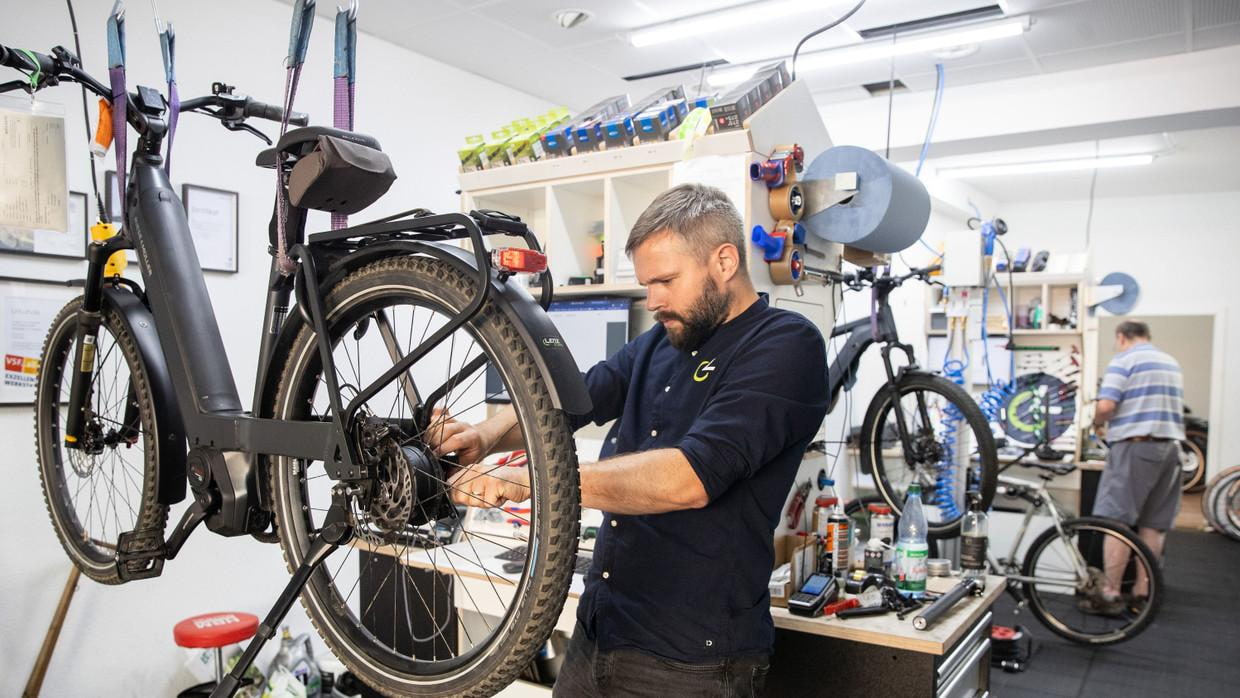
Unlike earlier ecodesign measures written for one product at a time, these product repairability rules would apply horizontally across several categories. The Commission lists consumer electronics such as audio and video equipment, wearables and computer peripherals. It also names light means of transport, including certain e-bikes, self-balancing devices and some e-scooters, plus small household appliances for the kitchen and personal care.
Products that already fall under specific ecodesign rules or voluntary agreements are expected to stay outside the scope. The final list will depend on the impact assessment that the Commission runs alongside the consultation.
The measures in the draft repairability rules go to the heart of how people fix things. The Commission is considering mandatory access to spare parts, access to repair and maintenance information, requirements on software and firmware, and design rules that make disassembly and reassembly easier. It may also require a repairability score or similar information at the point of sale, so buyers can compare products before they pay.
Technical preparation runs through the Joint Research Centre, whose product bureau in Seville supports ecodesign studies. Its analysis will help define which parts manufacturers must stock, for how long, and at what level of detail they must publish repair manuals.
The initiative complements the Right to Repair Directive, which obliges manufacturers to repair certain goods after the legal guarantee expires. Where that directive gives consumers a right, the ecodesign approach targets the product itself, so that a repair remains technically and economically possible in the first place.
For industry, the stakes are significant. Electronics brands will watch the software provisions of the repairability rules closely, since firmware locks and parts pairing can block independent repair. Makers of e-bikes and e-scooters, a fast-growing market in European cities, will need to plan for spare-part supply chains that last for years.
Repair groups and environmental organisations have pushed for broad scope and strong scoring, arguing that longer product lifetimes cut waste and raw material demand. Retailers will focus on how any score under the repairability rules appears in shops and online.
The Commission plans to adopt a delegated regulation in 2027. Until then, the consultation offers the main opportunity to influence product repairability rules that could change how millions of everyday devices are designed, sold and fixed across the European Union.