Ludwigshafen: The European Commission launched a new partnership for the fertiliser value chain on 9 November 2026, bringing producers, farmers and national governments into one forum. Agriculture Commissioner Christophe Hansen was due to open the first meeting, which starts a series of policy dialogues on supply, prices and import reliance.
The initiative comes from the Fertiliser Action Plan that the Commission adopted on 19 May 2026. That plan set out how Brussels wants to secure nutrients for European agriculture after years of volatile gas prices and supply shocks. The new body turns those commitments into a standing process.
Members of the fertiliser value chain partnership will examine the barriers that keep EU-made fertilisers scarce or expensive. They will also look at nutrient-efficient practices on farms and propose possible policy responses. Participation rests on voluntary commitments from producers, users and member states.
Three goals frame the work. The partnership aims to improve the availability and affordability of fertilisers produced in Europe and to give buyers and sellers more predictability. It also seeks to support the decarbonisation of fertiliser plants and better nutrient management in the field.
Transparency across the fertiliser value chain forms a second strand. The Commission plans better market reporting and a Fertilisers Market Observatory, so farmers can follow prices and stocks more closely. Officials are also assessing strategic stocks and joint procurement, two ideas borrowed from the EU’s energy and medicines policies.
Money already supports efforts across the fertiliser value chain. The Commission has mobilised €540 million for farmers hit by high fertiliser and energy costs, and member states may top this up with national funds worth up to 200% of the EU amount. France receives the largest share at €107.12 million, followed by Poland with €66.63 million, Germany with €60.26 million and Spain with €50.17 million.
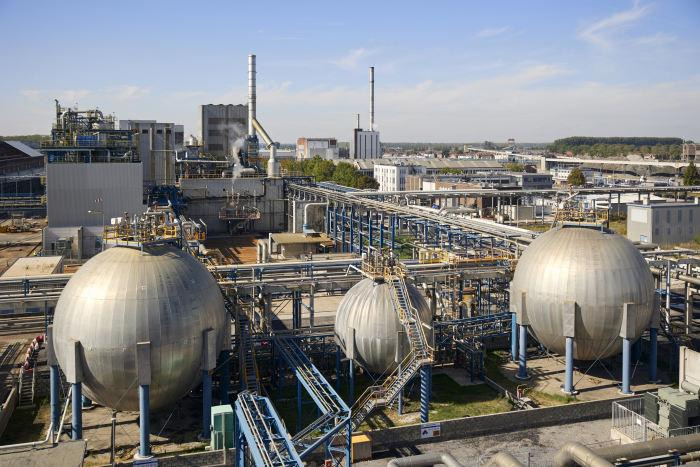
Farm groups have long argued that input costs, not output prices, now decide whether many holdings survive. Fertiliser bills rose sharply when gas prices spiked, because nitrogen production relies heavily on natural gas. Producers, for their part, warn that high energy costs and carbon rules weigh on plants inside the EU.
The fertiliser value chain therefore sits where agriculture, energy and industrial policy meet. Any lasting fix will need cheaper low-carbon energy for plants, stable trade rules and smarter use of nutrients on farms. The partnership gives all sides a place to test those trade-offs before new legislation is written.
What happens next depends on the dialogues. The Commission has not yet published a meeting calendar or a list of members, and the first outputs are likely to be analysis rather than law. Still, the forum gives farm ministers a channel to press for faster action before the 2027 spring planting season.
For now, the fertiliser value chain partnership marks a shift from emergency aid towards structural planning. Its success will be judged on whether European farmers see steadier prices and more home-produced supply in 2027.