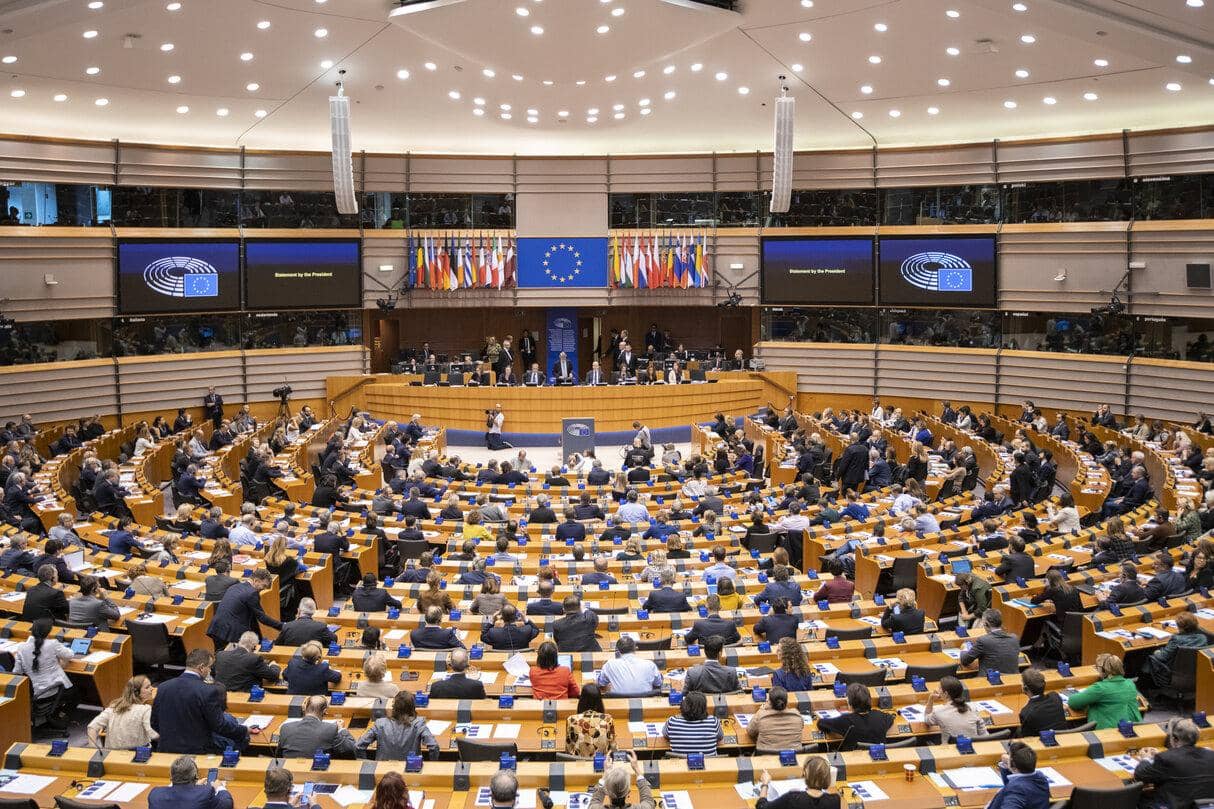
Amsterdam: Negotiators from the European Parliament and the Council have reached a provisional political agreement on the securitisation framework review, which the Commission welcomed on 22 October 2026. The deal marks the first legislative deliverable under the Savings and Investments Union. It also supports the One Europe, One Market roadmap that the Commission set out for the single market.
The securitisation framework review changes two laws. Targeted amendments to the Securitisation Regulation reduce operational burdens and streamline due diligence and transparency requirements for issuers and investors. Separate amendments to the Capital Requirements Regulation make the prudential treatment of securitisations more risk-sensitive, so capital charges follow the actual risk of a deal more closely.
Supporters argue that a healthier securitisation market lets banks bundle loans and sell them to investors, which frees balance sheet space for fresh lending. The Commission expects the market to diversify funding, spread risk and support credit to households and businesses, including small and medium-sized firms. Amsterdam, with its large mortgage and asset-backed market, is the kind of financial centre that follows such rules closely.
Commissioner Maria Luís Albuquerque said the agreement strikes the right balance between safeguarding financial stability and stimulating the market. That phrase answers the old worry that securitisation helped spread losses before the 2008 crisis. The deal therefore tries to lighten paperwork without loosening the safeguards that regulators introduced afterwards.
Market participants had asked for the securitisation framework review to lighten reporting rules for years, arguing that the previous regime made European deals slower and more costly than comparable products elsewhere. Several steps remain before the text becomes law. Officials must first finalise the technical wording, after which the Parliament and the Council will each vote on the agreement. Publication in the Official Journal follows, and the amendments then enter into force immediately. The Council reaffirmed in October 2026 that it wants the whole package finalised by the end of the year, which leaves little room for delay.
The timetable matters because the securitisation framework review is a test case for the wider Savings and Investments Union agenda. A quick, clean adoption would show that Parliament and Council can turn capital markets ambitions into law within months. A stall would feed the argument that Europe talks about deeper markets but struggles to deliver them. Industry groups, supervisors and consumer advocates will each read the final wording closely. Banks, investors and borrowers will watch the final votes to see whether the securitisation framework review arrives before the end of 2026.