Liège: The tax-free ride that carried billions of cheap packages into European living rooms has ended, and the customs duty now attached to each one is reshaping how platforms like Shein, Temu and AliExpress sell across the continent.
Since 1 July 2026, the European Union has scrapped the long-standing exemption that let goods worth less than 150 euros enter duty-free. In its place sits a temporary flat customs duty of three euros per item, applied according to each product’s tariff heading rather than per parcel.
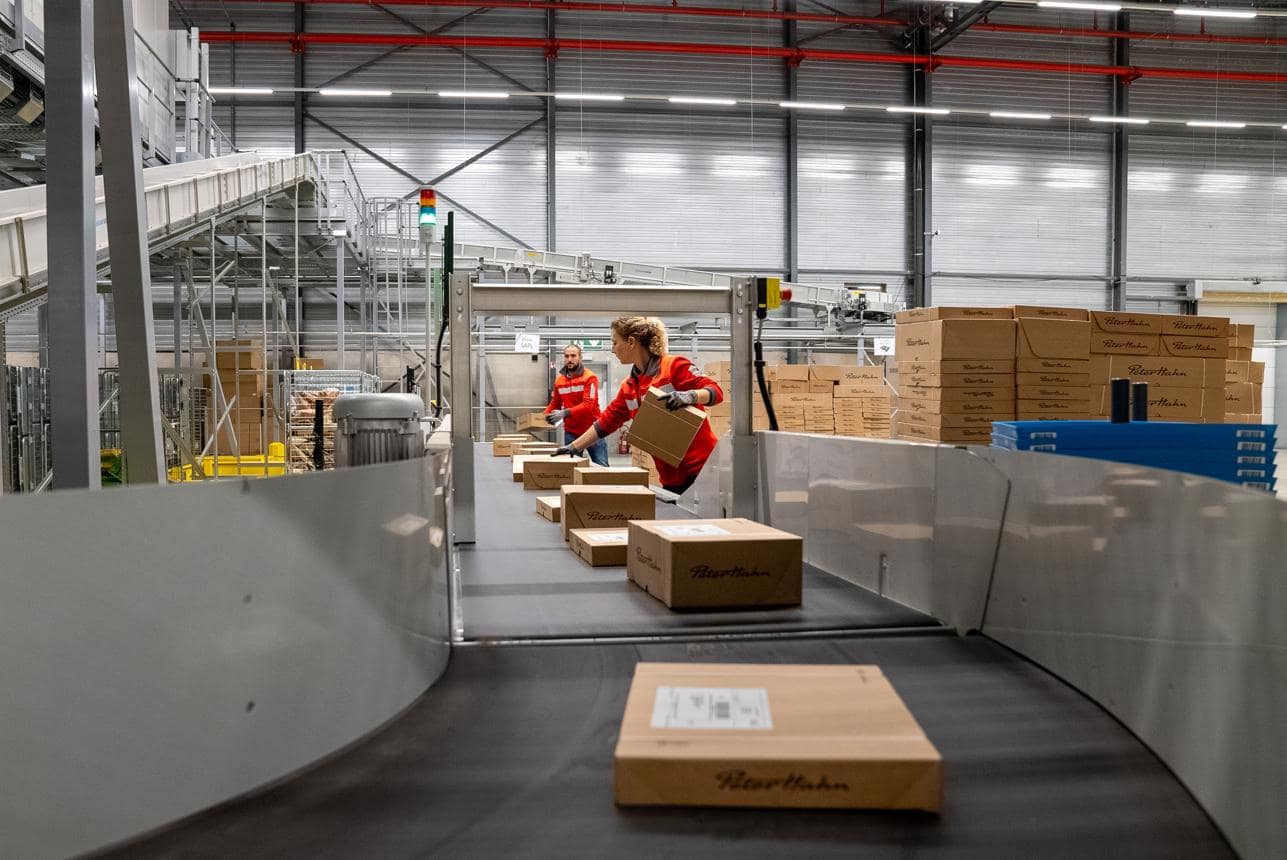
The change lands hardest on the fast-fashion and marketplace giants that built their European growth on low-value shipments. Billions of such parcels reach the bloc each year, the vast majority from China, and each now carries a charge that platforms are adding at checkout.
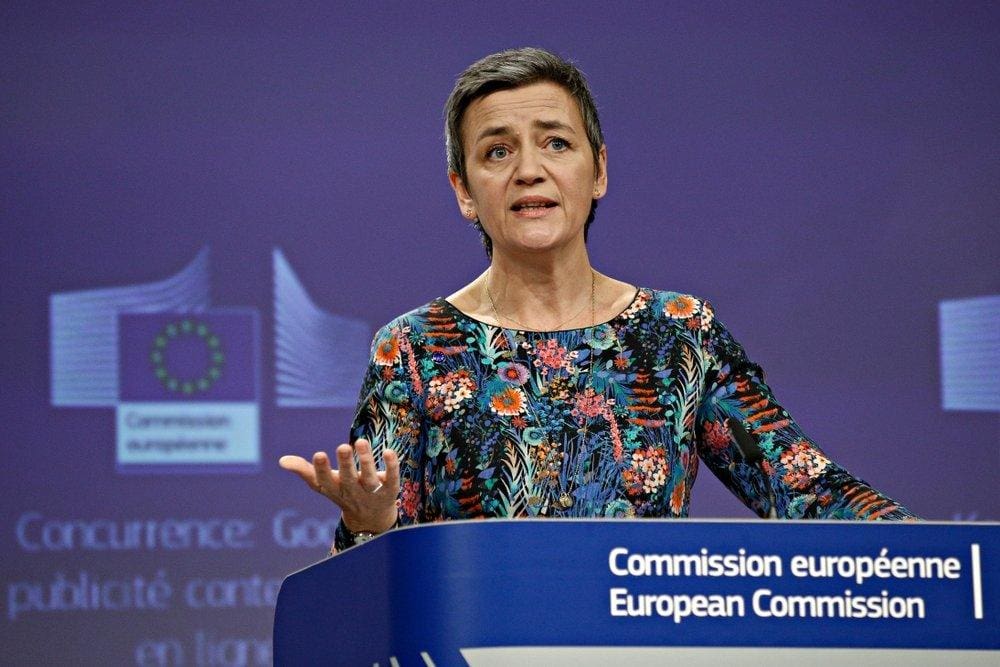
National administrations will layer a second cost on top. A separate two-euro handling fee, set out in Commission guidance published on 8 June, will take effect no later than 1 November 2026, pushing the combined burden toward five euros for many consignments.
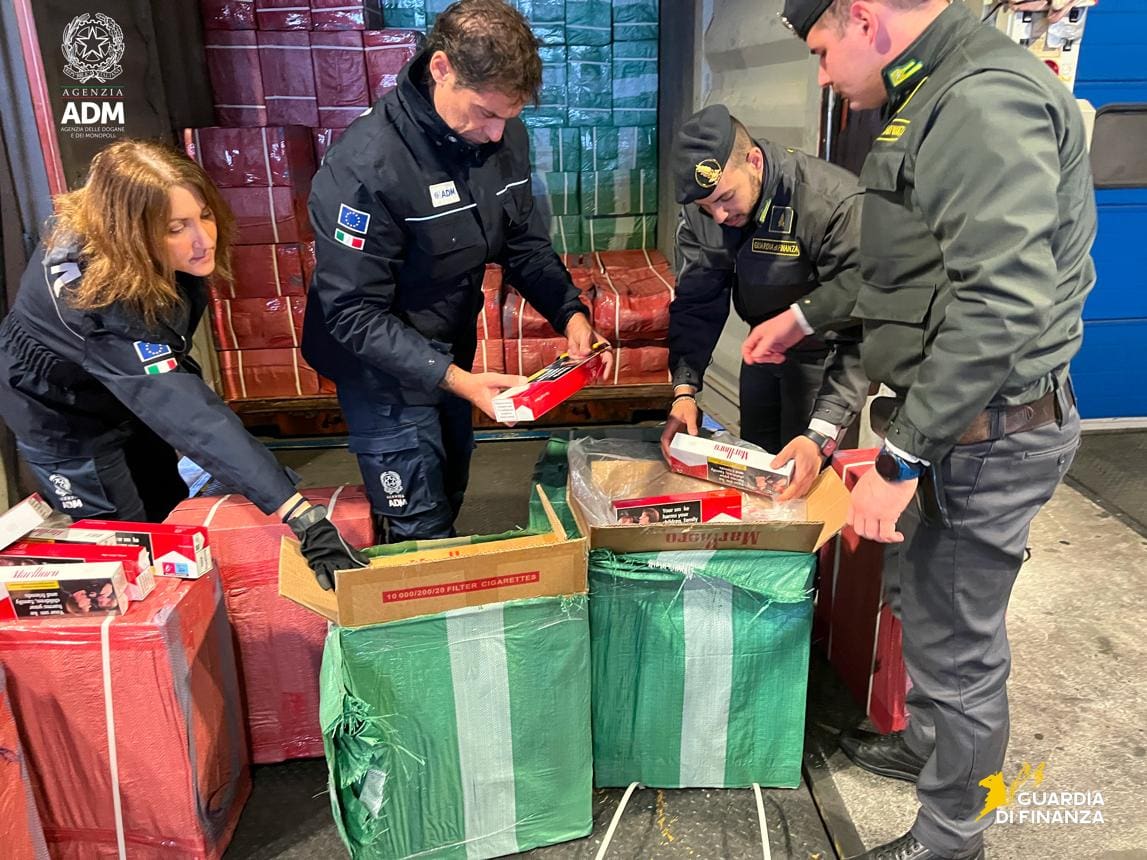
Customs teams in Liège, one of Europe’s busiest e-commerce cargo gateways, describe a workload that has already shifted. Every low-value item now needs a declaration, and the tariff heading it falls under decides whether an order attracts one charge or several.
The flat duty is deliberately provisional. It expires on 1 July 2028, after which the goods will face the standard tariff that applies to their category, a change the Commission expects to raise revenue and blunt the price advantage of ultra-cheap imports.
Behind the fee sits the wider customs overhaul the Commission first proposed in 2023, the deepest since the Customs Union was created in 1968. Its centrepiece, an EU Customs Data Hub, is due to begin operating in 2028 and will pull declarations into a single digital system built to sharpen risk analysis and catch undervalued or unsafe goods.
Consumer groups warn that shoppers, not the platforms, will ultimately absorb the cost. Retailers based inside the bloc counter that the old exemption handed foreign sellers an unfair edge, forcing European firms to charge taxes and duties their rivals avoided.
The Council agreed the duty in December, framing it as both a revenue measure and a way to relieve customs services buckling under parcel volumes. Whether it curbs the flow of cheap goods or simply raises their price will become clear only once the handling fee joins it this autumn.