Görlitz: The European Commission has granted CB RES status to three more cross-border renewable energy projects, taking the EU list of such schemes to 15 after one earlier project withdrew. The announcement on 1 October 2026 opens the way for the new projects to seek money under the Connecting Europe Facility for energy.
The first newcomer is WIND, a 650 megawatt onshore wind installation near Poltavska that links Ukraine and Romania. It is expected to generate roughly 2 terawatt hours of electricity a year. Its place on the list shows that the EU framework can reach a neighbouring country as well as member states.
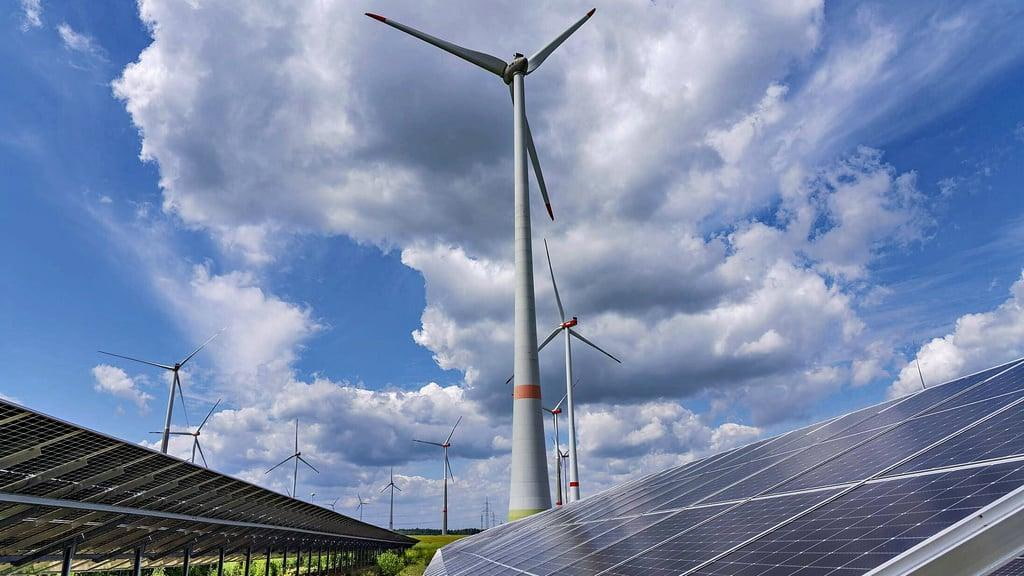
The second, DEPLOY, joins Poland and Germany at Guben. It combines wind and solar with 180 megawatts of capacity and converts electricity into heat for industry and district heating. That design links the power system with heating, a sector that still depends heavily on fossil fuels.
The third, ZEGA-LINNK, joins Austria and Germany. It builds on an existing cross-border district heating network between Braunau and Simbach and adds a 5 megawatt heat pump and a 12 to 15 megawatt geothermal borehole. Both elements replace fossil fuel peak generation, which switches on when demand is highest. Such cross-border renewable energy projects pair power and heat across a frontier.
The status matters for cross-border renewable energy projects because it signals shared benefit. The Commission keeps a list of projects that bring advantages to more than one country, and a listing makes developers eligible for CEF Energy funding, which can tip an investment decision.
The list of cross-border renewable energy projects also lost a project. PONTIS withdrew, so the three arrivals produce a net gain of two and bring the total to 15. That detail shows that a place on the list is not permanent and that sponsors can drop out before they reach the money.
Money follows status. The next application call under CEF Energy is due to open in November or December 2026, and CINEA, the executive agency that runs the programme, plans a virtual information session for applicants. Trade press reported on 20 September that a separate decision awarded €125.81 million to three other schemes, namely UNITED HEAT, TWIN-HEAT and the UELJO wind park.
These projects show how Europe’s energy security debate has moved from pipelines to local grids and heat networks. In July the European Environment Agency concluded that expanding domestic renewable electricity production is Europe’s most effective strategy for reducing dependence on volatile global energy markets. Cross-border renewable energy projects extend that logic across national frontiers.
Developers and local authorities now have a clear next step. They need to prepare applications for the November or December call, and the three newcomers have cleared the first hurdle. The next test is whether cross-border renewable energy projects like them win funding and reach construction.