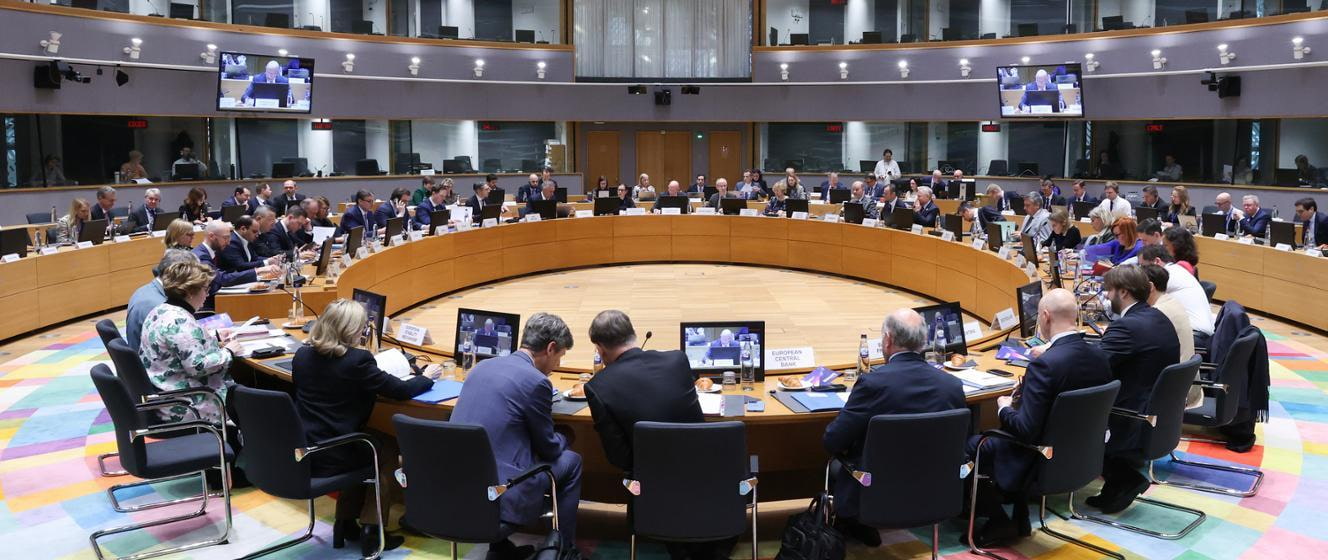
Stockholm: The Tobacco Taxation Directive faces a decisive test on Monday 9 November 2026, when EU finance ministers meet in Brussels for their next ECOFIN session. Ireland, which holds the Council Presidency, wants to unblock the file at that meeting after years of stalled talks on how the Union taxes cigarettes, rolling tobacco and newer nicotine products.
Tax law in the Union needs the unanimous agreement of all 27 governments, so a single capital can sink the Tobacco Taxation Directive. That rule explains why a revision that began in the Commission years ago still has no final text. Reporting by the Brussels outlet Democrata, published on 22 October 2026, says the Irish Presidency convened the Council’s High-Level Group on Taxation on 26 October to hunt for the last points of friction.
Sweden is described as one of the most reluctant capitals. The country has had no government since its September elections, after an attempt to form one by the left leader failed last week, and the report says a broad political consensus in Stockholm wants to preserve the national tax treatment of snus. Because snus and nicotine pouches would fall under a new set of EU categories, the Swedish position matters far more than the size of the country suggests.
The previous presidency, held by Cyprus, had already offered concessions. According to the same report, they covered the minimum rates and the automatic increases linked to inflation, two features that worried governments with low tobacco prices. Ireland now has to turn those offers into a compromise that every delegation can accept. I could not confirm the final rates or the dates for application, because the report reviewed here gives no euro figures per product.
The stakes reach beyond one tax line. Tobacco excise rates have barely moved at Union level for years, and the existing rules do not cover products such as heated tobacco, e-cigarette liquids or nicotine pouches in a consistent way. A modern Tobacco Taxation Directive would close that gap and reduce the price differences that push consumers across borders to buy cheaper packs. Governments that raise more revenue from tobacco also watch the file closely, since a higher minimum could force them to change national budgets.
Health groups argue that higher and better-targeted taxes cut smoking, while producers warn about illicit trade and lost sales. Those arguments will run alongside the diplomacy in the room on 9 November, and ministers will have to decide whether the text is ready or needs another round of work under the next presidency.
The practical signal to watch is simple. If ministers reach political agreement, the Tobacco Taxation Directive moves to formal adoption and national preparation, and companies can plan around new categories. If Sweden or another capital blocks it, the file slips again and the Union keeps rules that predate nicotine pouches.