Amsterdam: Europe’s medicines regulator has cleared a dozen new treatments in a single round, among them a wave of cholesterol drugs and an eye implant, in one of its busier sittings of the year.
The recommendations came from the Committee for Medicinal Products for Human Use, the expert panel of the European Medicines Agency based in Amsterdam. Its verdict is not the final word, but the Commission almost always follows it, usually within two to three months.
Heart health dominated the list. The committee backed three medicines for adults with high cholesterol or mixed dyslipidaemia, conditions that drive much of the continent’s burden of heart attacks and strokes and that existing drugs control only partially for many patients.
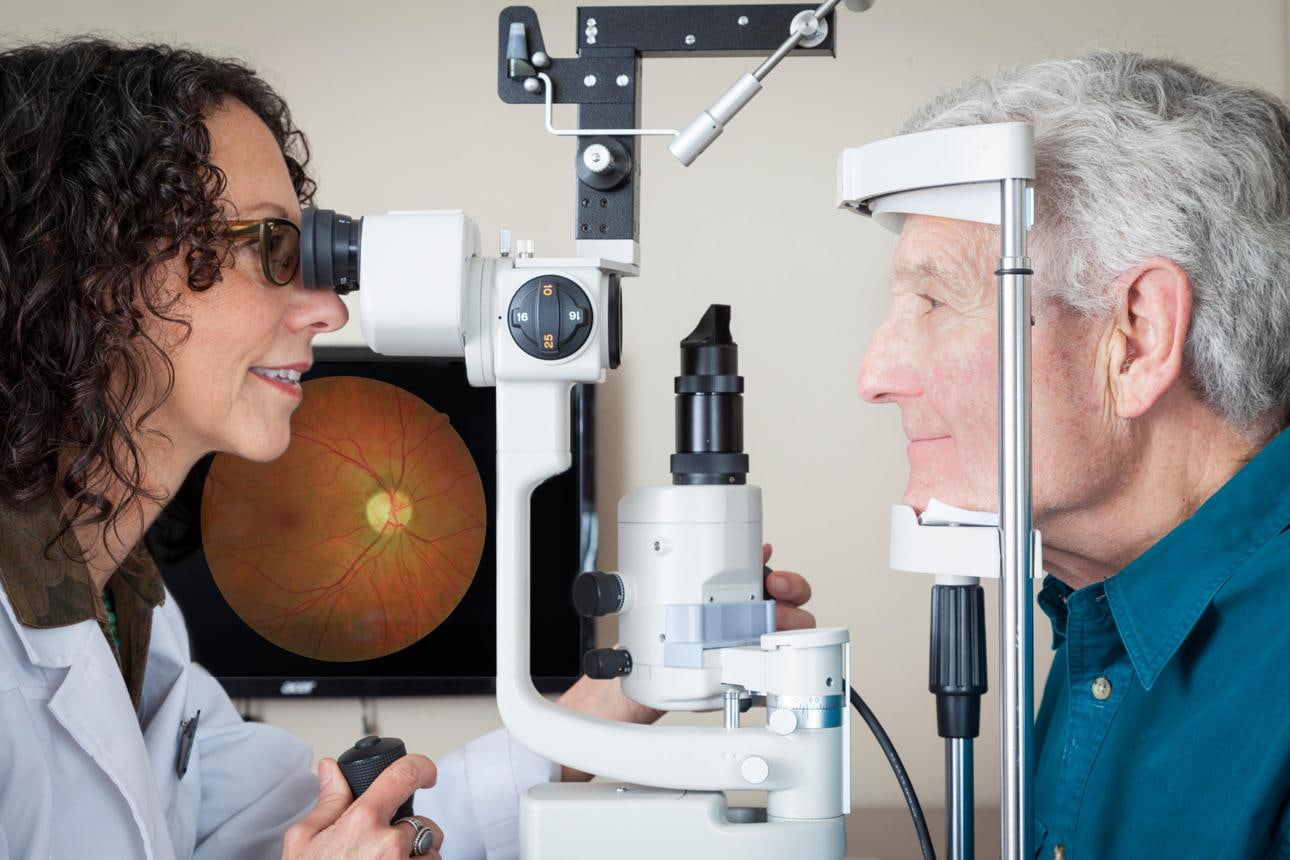
One recommendation stood out for its design. A refillable implant for wet age-related macular degeneration, a leading cause of blindness in older Europeans, is inserted into the eye and topped up over time, sparing patients the repeated injections that current therapy demands.
The panel also widened the use of eight medicines already on the market, extending approved indications for cancer, immune and respiratory treatments so that more patients can be prescribed drugs that have already proven themselves.
Each green light now feeds into a tense wider debate. The Union is overhauling its pharmaceutical laws for the first time in two decades, weighing how long companies should enjoy market protection against how quickly and cheaply new medicines reach patients across all member states.
Access remains uneven. A drug approved centrally still has to clear national pricing and reimbursement decisions, which means a treatment available quickly in wealthier states can take far longer to appear in smaller or poorer ones.
Supply security hangs over the picture too. After recent shortages of common medicines, the bloc has moved to shore up manufacturing of critical drugs, treating reliable supply as a strategic goal rather than a purely commercial one.
For patients, the immediate effect is concrete. Once the Commission signs off, the cholesterol drugs and the eye implant will enter national health systems, adding options for conditions that shape how millions of Europeans age.
The volume matters as much as the individual drugs. A single sitting that clears a dozen products signals a healthy pipeline after leaner years, and regulators point to it as evidence that Europe remains an attractive place to bring new therapies to market despite fierce competition from the United States and Asia.