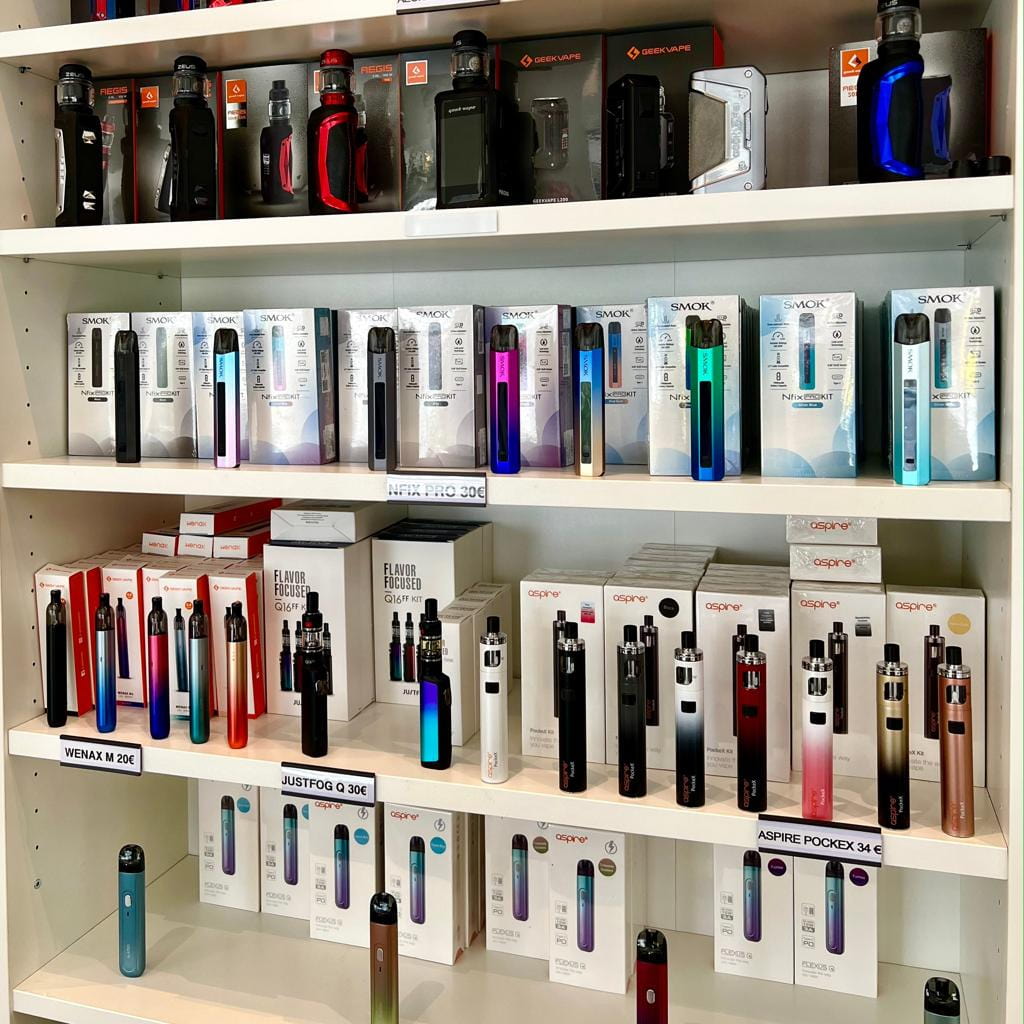
Lisbon: For more than a decade the rulebook governing tobacco tax across the Union left the fastest-growing corner of the market almost untouched. Vapes, heated tobacco sticks and nicotine pouches multiplied on shelves while excise law still spoke chiefly of cigarettes and cigars. The Commission’s proposed overhaul of the Tobacco Taxation Directive aims to close that widening gap.
The plan raises minimum duty on traditional products and, for the first time, drags the newer nicotine goods squarely into the tax base. Officials describe the devices as highly addictive and disturbingly popular among teenagers, and they argue that leaving them lightly taxed both undercuts public health goals and hands member states wildly uneven revenues.
Price gaps between countries sit at the centre of the case for reform. A pack that costs a fortune in one capital can be had for a fraction of the price a short drive away, feeding cross-border shopping and outright smuggling that drains billions from national treasuries. Harmonising the floor, the Commission contends, would blunt that arbitrage while nudging consumption downward.
The politics are far tougher than the economics. Tax files require the unanimous blessing of every member state, and several capitals with big tobacco-growing regions or low-duty traditions have already signalled unease. A four-year transition and a start date pushed out to 2028 are meant to soften the landing, yet even sympathetic governments worry about inflaming voters already sore over the cost of living.
Industry lobbying has been fierce and forked. Cigarette makers resist higher duties on their core product, while some newer-nicotine firms argue that taxing vapes as heavily as combustible tobacco muddles the very harm-reduction message that persuaded smokers to switch. An advisory body warned earlier this year that an overreaching design could dent competitiveness without delivering the health dividend on offer.
Health campaigners take the opposite view, pointing to a generation lured onto flavoured devices and pressing lawmakers not to blink. The European Economic and Social Committee has backed the revision, and parliamentary researchers have mapped the uneven excise landscape the proposal seeks to level. The Commission’s tobacco taxation page tracks the file’s slow progress.
Whether unanimity can be found remains the open question. Previous attempts to modernise the directive stalled for years in the Council, and nothing about the current climate guarantees a swifter passage. What has changed is the market itself, which has moved so far beyond the old law that even reluctant governments concede the framework can no longer pretend the vape does not exist.