September 24, 2026
LATEST
Rights Groups Test the EU Civil Society Strategy as Pressure MountsJudges Weigh EU Staff Nationality Quotas in Parliament Hiring CasePatents Could Unlock Startup Loans Under the European Innovation ActHungary EU Funds Move Closer as Commission Lifts Rule of Law FreezeMinisters Debate Chips Act 2.0 as Europe Pushes for More Chip OutputMontenegro Waits on a Dutch Vote as the EU Enlargement Sprint StallsGlobal Green Bond Initiative Bets on Private Money for PartnersEurope Draws a Line on Strait of Hormuz Tolls as Iran Talks ResumeStrasbourg Lets the European Defence Fund Pay for Tests in UkraineCSAM Regulation Talks Hinge on Scanning Private MessagesGoogle GDPR Fine of €403 Million Puts Location Data on TrialMFF 2028-2034 Talks Stall as Ministers Hold Their Red LinesBanks Contest Key Parts of the EU Banking Competitiveness PlanEMFAF Amendment Offers Fishers Simpler Rules and a Quota Cut CushionTeachers Trail Pupils as AI in Education Reports Expose a Training GapMacron Presses Brussels to Relax EU Fuel Quality Rules Before WinterEurostat Fuel Prices Jump 23.8 Per Cent as Diesel Leads August RiseData Centre Rating Scheme Puts Energy and Water Use on the EU RecordEU Indo-Pacific Security Partnerships Move From Paper to the SeaEU Thailand Free Trade Agreement Heads to Phuket for Its Final ThirdRights Groups Test the EU Civil Society Strategy as Pressure MountsJudges Weigh EU Staff Nationality Quotas in Parliament Hiring CasePatents Could Unlock Startup Loans Under the European Innovation ActHungary EU Funds Move Closer as Commission Lifts Rule of Law FreezeMinisters Debate Chips Act 2.0 as Europe Pushes for More Chip OutputMontenegro Waits on a Dutch Vote as the EU Enlargement Sprint StallsGlobal Green Bond Initiative Bets on Private Money for PartnersEurope Draws a Line on Strait of Hormuz Tolls as Iran Talks ResumeStrasbourg Lets the European Defence Fund Pay for Tests in UkraineCSAM Regulation Talks Hinge on Scanning Private MessagesGoogle GDPR Fine of €403 Million Puts Location Data on TrialMFF 2028-2034 Talks Stall as Ministers Hold Their Red LinesBanks Contest Key Parts of the EU Banking Competitiveness PlanEMFAF Amendment Offers Fishers Simpler Rules and a Quota Cut CushionTeachers Trail Pupils as AI in Education Reports Expose a Training GapMacron Presses Brussels to Relax EU Fuel Quality Rules Before WinterEurostat Fuel Prices Jump 23.8 Per Cent as Diesel Leads August RiseData Centre Rating Scheme Puts Energy and Water Use on the EU RecordEU Indo-Pacific Security Partnerships Move From Paper to the SeaEU Thailand Free Trade Agreement Heads to Phuket for Its Final Third
September 24, 2026
LATEST
Rights Groups Test the EU Civil Society Strategy as Pressure MountsJudges Weigh EU Staff Nationality Quotas in Parliament Hiring CasePatents Could Unlock Startup Loans Under the European Innovation ActHungary EU Funds Move Closer as Commission Lifts Rule of Law FreezeMinisters Debate Chips Act 2.0 as Europe Pushes for More Chip OutputMontenegro Waits on a Dutch Vote as the EU Enlargement Sprint StallsGlobal Green Bond Initiative Bets on Private Money for PartnersEurope Draws a Line on Strait of Hormuz Tolls as Iran Talks ResumeStrasbourg Lets the European Defence Fund Pay for Tests in UkraineCSAM Regulation Talks Hinge on Scanning Private MessagesGoogle GDPR Fine of €403 Million Puts Location Data on TrialMFF 2028-2034 Talks Stall as Ministers Hold Their Red LinesBanks Contest Key Parts of the EU Banking Competitiveness PlanEMFAF Amendment Offers Fishers Simpler Rules and a Quota Cut CushionTeachers Trail Pupils as AI in Education Reports Expose a Training GapMacron Presses Brussels to Relax EU Fuel Quality Rules Before WinterEurostat Fuel Prices Jump 23.8 Per Cent as Diesel Leads August RiseData Centre Rating Scheme Puts Energy and Water Use on the EU RecordEU Indo-Pacific Security Partnerships Move From Paper to the SeaEU Thailand Free Trade Agreement Heads to Phuket for Its Final ThirdRights Groups Test the EU Civil Society Strategy as Pressure MountsJudges Weigh EU Staff Nationality Quotas in Parliament Hiring CasePatents Could Unlock Startup Loans Under the European Innovation ActHungary EU Funds Move Closer as Commission Lifts Rule of Law FreezeMinisters Debate Chips Act 2.0 as Europe Pushes for More Chip OutputMontenegro Waits on a Dutch Vote as the EU Enlargement Sprint StallsGlobal Green Bond Initiative Bets on Private Money for PartnersEurope Draws a Line on Strait of Hormuz Tolls as Iran Talks ResumeStrasbourg Lets the European Defence Fund Pay for Tests in UkraineCSAM Regulation Talks Hinge on Scanning Private MessagesGoogle GDPR Fine of €403 Million Puts Location Data on TrialMFF 2028-2034 Talks Stall as Ministers Hold Their Red LinesBanks Contest Key Parts of the EU Banking Competitiveness PlanEMFAF Amendment Offers Fishers Simpler Rules and a Quota Cut CushionTeachers Trail Pupils as AI in Education Reports Expose a Training GapMacron Presses Brussels to Relax EU Fuel Quality Rules Before WinterEurostat Fuel Prices Jump 23.8 Per Cent as Diesel Leads August RiseData Centre Rating Scheme Puts Energy and Water Use on the EU RecordEU Indo-Pacific Security Partnerships Move From Paper to the SeaEU Thailand Free Trade Agreement Heads to Phuket for Its Final Third

CBAM Verification Has No Accredited Verifiers Yet

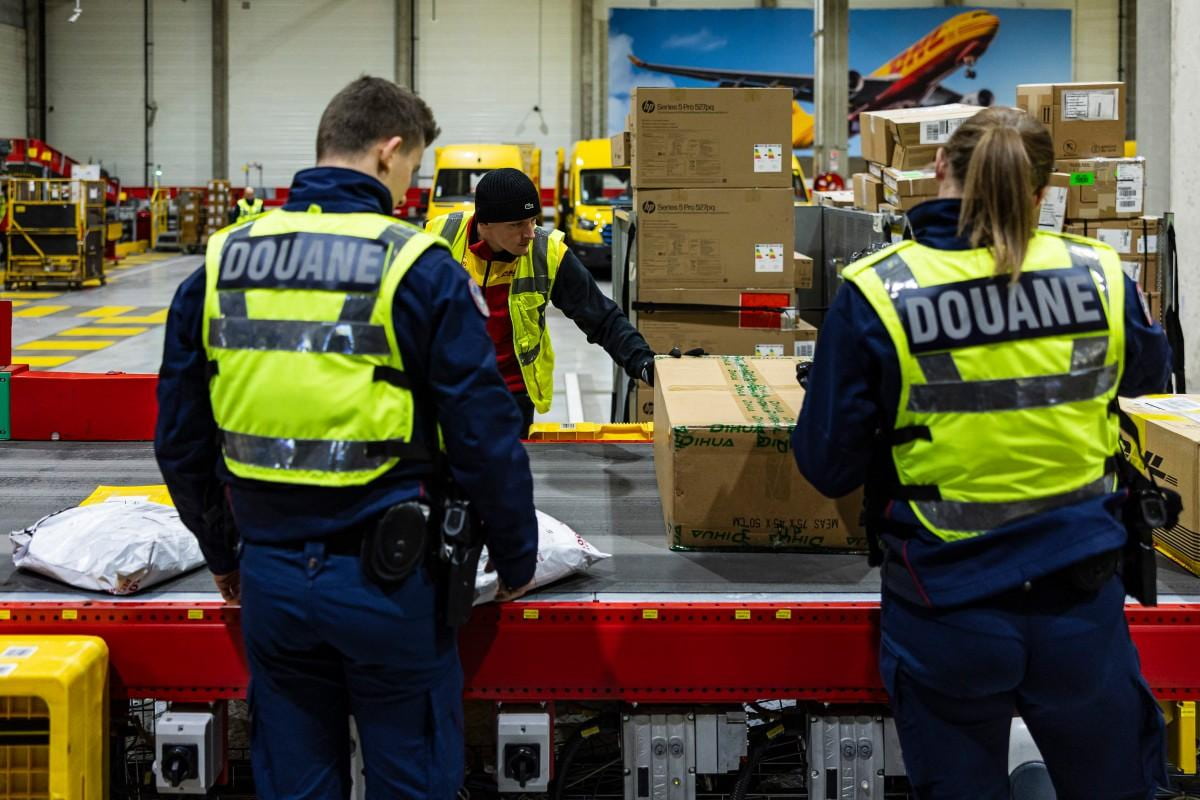
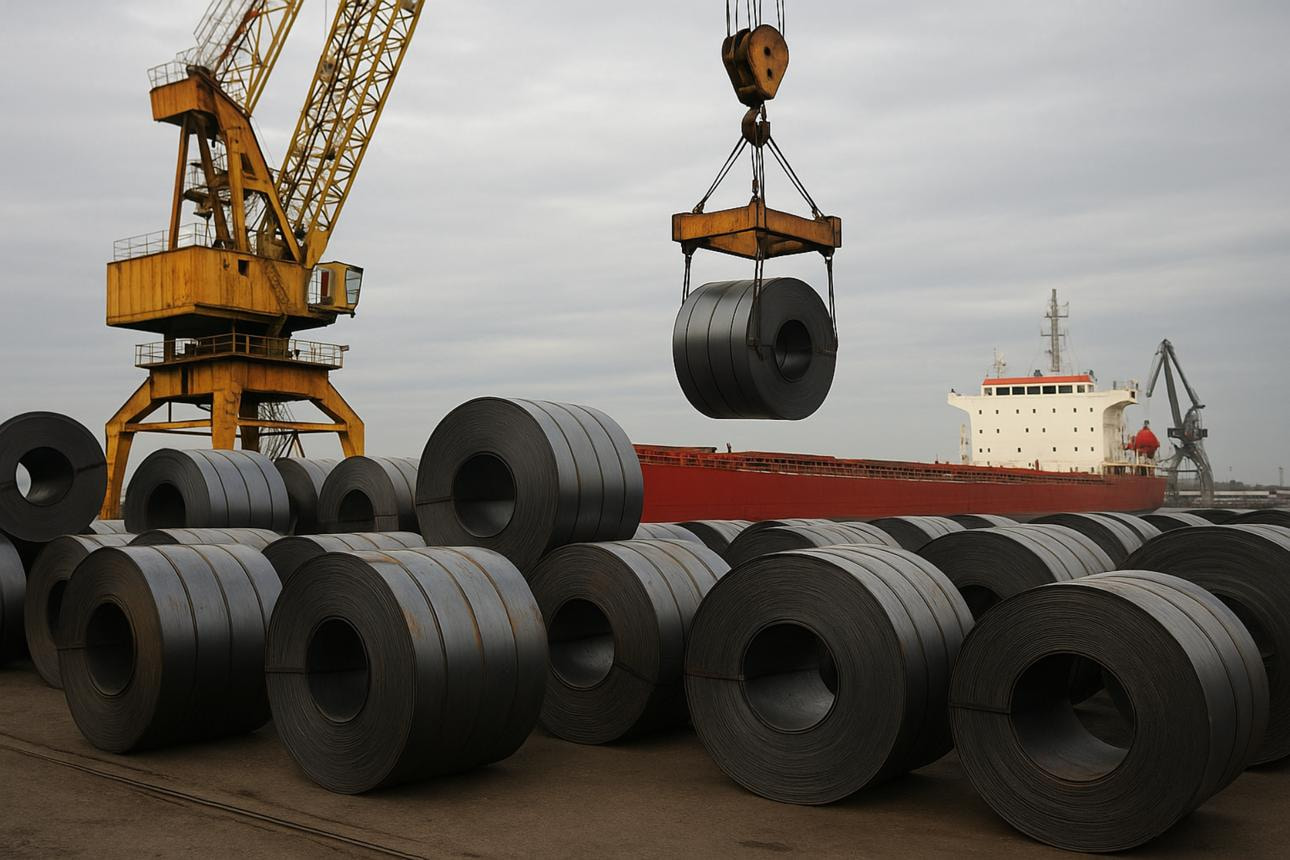
Taranto: CBAM verification is the document almost nobody in the Union is yet qualified to sign, and the steel arriving through southern Italian ports next year will carry a carbon price that depends on it. The Carbon Border Adjustment Mechanism entered its definitive phase on 1 January 2026, turning a reporting exercise into a payable obligation on imported emissions, but the professional infrastructure that has to make it function is not finished.

The CBAM timeline importers now face

The sequence explains the pressure. Importers bringing in more than fifty tonnes of covered goods a year need authorised declarant status and an account in the CBAM Registry. Certificates covering 2026 imports go on sale from February 2027. The first full declaration, covering the 2026 calendar year, falls due on 30 September 2027. That declaration has to report embedded emissions confirmed by an accredited verifier, and verification reports can only be issued inside the registry from January 2027 onward.

Why CBAM verification capacity is running late

Which leaves a narrow corridor. The Commission published its guidance for verifiers and national accreditation bodies on 24 August 2026 and opened registry access for verifiers from the start of September. By mid-August, twenty-four national accreditation bodies had agreed to offer CBAM accreditation and roughly half were accepting applications, yet no verification body anywhere in the Union had completed the process. The same guidance puts a normal accreditation at six to twelve months. Start that clock at the end of the summer and the arithmetic reaches the declaration deadline with very little slack for anyone who has not already begun.

The legal architecture is complete. The gap between it and the market for CBAM verification is now measured in months rather than years.

What happens when declarants fall back on defaults

The consequence is not that the mechanism fails. It is that the mechanism defaults. Declarants who cannot obtain verified figures for a given consignment fall back on default values, which are set conservatively by design so that measurement is always the cheaper option. That design works only when measurement is actually available. Where it is not, the default becomes a charge on the absence of verifiers rather than a charge on carbon, and the signal the instrument was built to send to foreign producers is replaced by a flat cost that tells them nothing about how to reduce it.

The distribution of that cost is uneven in a predictable way. Large integrated importers of steel, aluminium and fertiliser already run emissions accounting teams and have been rehearsing verification since the transitional period. A mid-sized importer just above the fifty-tonne threshold has neither. Verification capacity is also not spread evenly across the Union. It will concentrate where the established emissions trading verification market already sits, which means a buyer in Sofia or Porto may end up purchasing a scarce cross-border service at whatever price scarcity sets, while a buyer in Rotterdam or Hamburg has a choice of providers.

The third-country side of the audit

The third-country side is the less discussed half. Verified actual emissions, and therefore CBAM verification itself, require the exporting installation to open its production data, its energy inputs and often its site to an external auditor. A Turkish rolling mill or an Indian fertiliser plant supplying several European customers has to decide whether that access is worth the commercial exposure, and whether the cost is recoverable in the contract price. Some will conclude it is not and will let their European buyers absorb the default. That is a competitiveness outcome the instrument did not intend but will produce anyway.

Three numbers to watch in 2027

Three observable numbers will show whether this resolves. The first is how many CBAM verification bodies hold accreditation by the end of the first quarter of 2027, when reports become issuable. The second is the share of the 2027 declarations resting on defaults rather than verified figures, which the Commission will be able to read directly from the registry. The third is whether Brussels reaches for another transitional easing, having already used one to lift the de minimis threshold and push back certificate sales.

The broader point survives the detail. A carbon border levy is an accounting instrument before it is a climate instrument, and its credibility rests on a measurement layer that no regulation can conjure into existence on schedule. The Union legislated the obligation in 2023 and began building the accreditation pipeline in 2026. The order in which those two things happened is the story of the next twelve months.