November 2, 2026
LATEST
South Africa Clean Trade Partnership Holds First Official DialogueKazakhstan Critical Raw Materials Deal Needs Money Behind ItEgypt Macro-Financial Assistance Nears End With €1.5bn PendingMalaysia EU Trade Talks Eye June 2027 With Palm Oil UnresolvedSeveso III Directive Case Sends Finland To EU Court Of JusticeDriving Licence Rules Bring 15-Year Validity, Digital OptionFDI Screening Notifications Climb 40 percent To 667 Cases Across EU In 2025Securitisation Reform Deal Cuts Bank Capital Charges Across EUHousehold Electricity Prices Ease To €0.28 As Ireland LeadsWestern Balkans Growth Plan Payments Move Slowly as Reforms LagNairobi Tests EU Kenya Global Gateway Promise on Public TrustEuro Area Inflation Splits As Italy Surges And Berlin EasesCustoms Data Hub Plan Puts Lille At Heart Of EU ReformEU Space Act Gets A Fresh Council Text From DublinDefence Readiness Roadmap 2030 Faces Its End Of 2026 MilestonesBlack Sea Fishing Quotas For 2027 Keep Sprat Limit UnchangedTobacco Tax Directive Faces ECOFIN Showdown With Sweden Next WeekInternational Climate Finance Hits 32.3 Billion Before COP31ByteDance Gatekeeper Appeal Meets A Hostile Court AdviserRail Passenger Travel Hits A Record 457 Billion KilometresSouth Africa Clean Trade Partnership Holds First Official DialogueKazakhstan Critical Raw Materials Deal Needs Money Behind ItEgypt Macro-Financial Assistance Nears End With €1.5bn PendingMalaysia EU Trade Talks Eye June 2027 With Palm Oil UnresolvedSeveso III Directive Case Sends Finland To EU Court Of JusticeDriving Licence Rules Bring 15-Year Validity, Digital OptionFDI Screening Notifications Climb 40 percent To 667 Cases Across EU In 2025Securitisation Reform Deal Cuts Bank Capital Charges Across EUHousehold Electricity Prices Ease To €0.28 As Ireland LeadsWestern Balkans Growth Plan Payments Move Slowly as Reforms LagNairobi Tests EU Kenya Global Gateway Promise on Public TrustEuro Area Inflation Splits As Italy Surges And Berlin EasesCustoms Data Hub Plan Puts Lille At Heart Of EU ReformEU Space Act Gets A Fresh Council Text From DublinDefence Readiness Roadmap 2030 Faces Its End Of 2026 MilestonesBlack Sea Fishing Quotas For 2027 Keep Sprat Limit UnchangedTobacco Tax Directive Faces ECOFIN Showdown With Sweden Next WeekInternational Climate Finance Hits 32.3 Billion Before COP31ByteDance Gatekeeper Appeal Meets A Hostile Court AdviserRail Passenger Travel Hits A Record 457 Billion Kilometres

Energy Pushes Euro Area Inflation To 3.8 percent In September

Brussels: Euro area inflation climbed to 3.8% in September 2026, up from 3.2% in August, according to the final Eurostat release published on 16 October 2026. The figure confirms the flash estimate of 2 October and marks the fastest annual rate in the series Eurostat quoted for the year, with the European Union as a whole also at 3.8%.

A year earlier, euro area inflation stood at 2.2% and EU inflation at 2.6%. The monthly rate in September was 0.6% for both aggregates, so the jump did not come from a base effect alone. Euro area inflation rose quickly within the month itself.

What is driving euro area inflation now

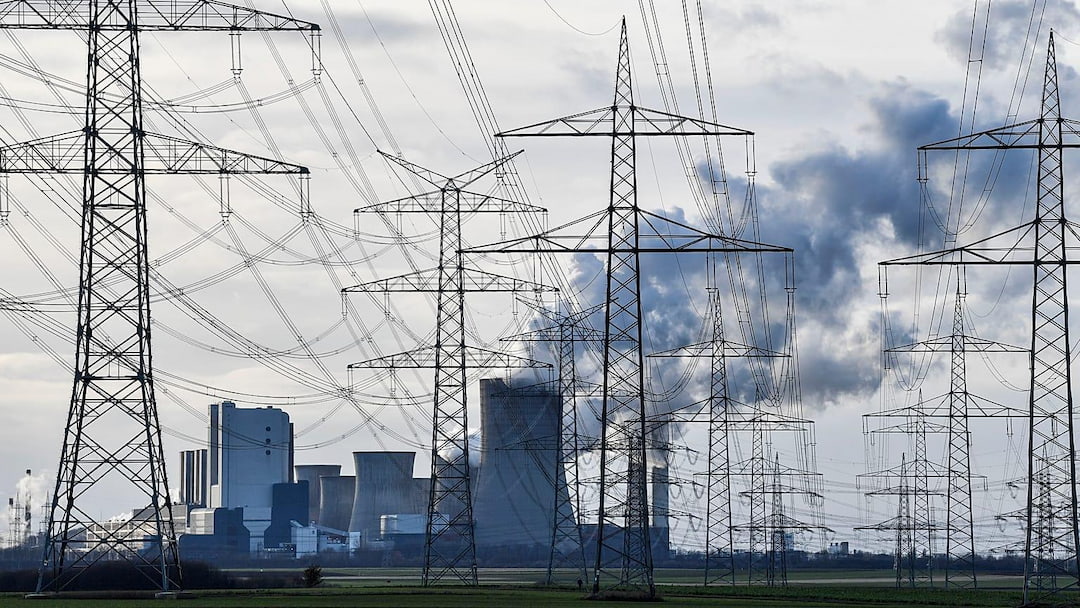
Energy explains most of the change. The annual rate for energy reached 18.9% in September, and energy contributed 1.71 percentage points to headline inflation, compared with 1.29 points in August. That single component added 0.42 points to the rise in the headline rate, which went up by 0.6 points overall.

Services remain the second engine. They contributed 1.52 points in September, up from 1.43, with an annual rate of 3.2%. Non-energy industrial goods stayed calm at 1.1% a year and added 0.29 points. Food, alcohol and tobacco rose 1.3% and added 0.25 points, of which unprocessed food supplied 0.21.

The split matters for policy. Energy shocks come from outside the euro area and fade when wholesale prices settle, while services inflation reflects wages and domestic demand. Because services moved only slightly, this round of euro area inflation looks like a supply-side event and not yet a broad pricing spiral.

Where prices rise fastest across member states

The national spread is wide. Romania recorded the highest annual rate at 6.5%, followed by Lithuania at 6.1% and Bulgaria at 5.6%. Sweden had the lowest at 1.0%, with Hungary and Denmark both at 2.1%. The gap between the top and bottom countries therefore exceeds five percentage points.

Eurostat also reports that annual inflation rose in twenty-three member states between August and September, stayed stable in three and fell in one. That breadth shows the energy effect on euro area inflation reached almost every national market, even if its size differs from country to country.

Why the 3.8% reading matters for the European Central Bank

The data arrive as the European Central Bank prepares for a leadership change. Christine Lagarde is due to leave the presidency on 7 February 2027, and the Governing Council kept the deposit rate at 2.5% at its October meeting. A headline rate of 3.8% sits well above the bank’s 2% medium-term goal, but the composition gives policymakers room to argue for patience.

The central question is whether energy prices feed into wages and services. If services inflation stays near 3.2%, the Council can treat the rise as temporary. If it accelerates, a hawkish case will gain strength before the new president takes office. Households with high energy bills, especially in the Baltic states and Romania, will feel the effect long before any rate decision.

What to watch in the next release

Eurostat will publish the October flash estimate in early November and the final figures on 18 November 2026. For anyone tracking euro area inflation, three indicators deserve attention: the energy rate, the services rate and the number of member states recording a rise. If energy cools while services hold steady, euro area inflation may peak in autumn. If both climb, the 3.8% reading will look like the start of a longer episode rather than a one-month spike.