Brussels: The EU packaging regulation began to apply on 12 August 2026, and its first practical effect is a limit on PFAS in packaging that touches food. Regulation (EU) 2025/40 replaces the old directive with a single rulebook that applies directly in all 27 member states, so producers now work with one text instead of 27 national versions.
Several weeks after the start date, the regulation is moving from legal text to shop-floor decisions. Takeaway chains, bakeries and packaging converters must show that their materials comply.
What changed under the EU packaging regulation
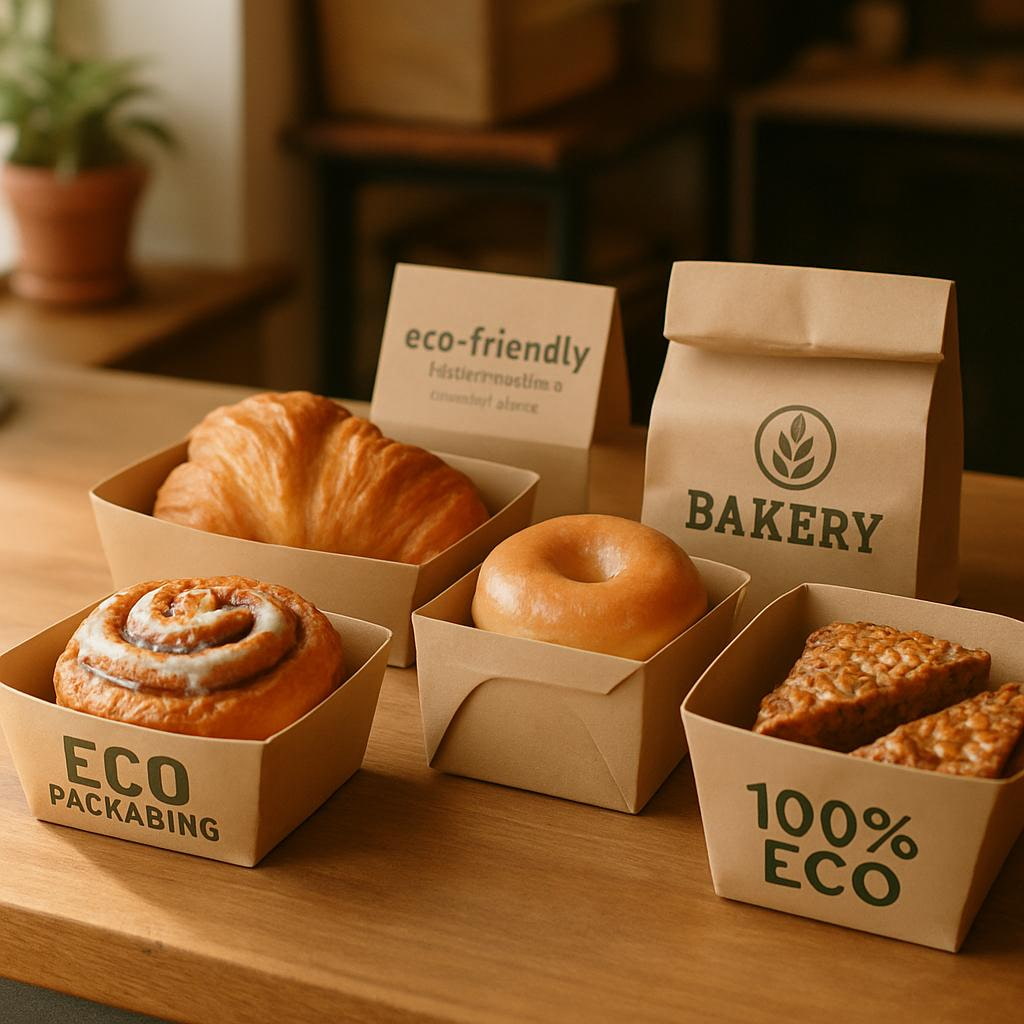
The opening measures focus on chemical safety. The rules set maximum thresholds for per- and polyfluoroalkyl substances in food-contact packaging, including takeaway containers, bakery paper and cardboard. Producers also face traceability requirements that let authorities check where a material came from and what it contains.
Starting with PFAS makes political sense. These chemicals persist in the environment, and grease-proof paper and moulded fibre trays were among the best-known uses. A clear limit gives suppliers a target and lets them reformulate in one step.
Why waste reduction targets matter
The wider ambition is to cut waste at source. Europeans generate roughly 180 kilograms of packaging waste per person each year, and packaging accounts for about 40% of plastic consumption in the Union. Only 42% of fossil-based plastic packaging was recycled in 2023.
The EU packaging regulation therefore sets reduction goals against a 2018 baseline: 5% by 2030 and 15% by 2040. Those numbers look modest, yet they require action on design, because lighter packs and less empty space in shipping boxes are the easiest ways to meet them.
Recyclability, reuse and deposit systems
The regulation sets recyclability standards, minimum reuse targets and restrictions on certain single-use formats. It limits excess shipping space and requires deposit-return systems for plastic bottles and metal cans. Standard labels for sorting household waste follow in 2028, which should end the confusion caused by different national symbols.
Reuse is the hardest part of the EU packaging regulation. Retailers must build return logistics, washing capacity and shared pools of containers, and each of these needs investment. Large players can absorb the cost, while small food businesses may need help from national authorities.
How enforcement will shape the outcome
Member states may issue warnings before they impose financial penalties, which gives supply chains time to adjust. That flexibility helps firms in the first months, yet it also risks uneven enforcement between capitals. A producer that sells across borders will want the same answer in Lisbon and in Warsaw.
Market surveillance authorities will need laboratory capacity to test for PFAS, and many have limited budgets. Their performance in 2026 will indicate whether the EU packaging regulation works as a single market tool or as a patchwork.
What happens next
Three markers will show progress. First, the Commission must finalise secondary rules on recyclability and labelling. Second, companies will publish their first compliance data on food-contact materials. Third, deposit-return schemes will have to expand to new member states.
For businesses, the EU packaging regulation is no longer a distant plan. It is a live compliance duty that rewards early redesign and punishes delay.