October 30, 2026
LATEST
Government Deficit Hits 3.3 percent Of GDP As Romania Falls To 9.2 percentTax-to-GDP Ratio Climbs To 40.7 percent With France Leading The UnionMinisters Weigh Higher Baltic Sea Fishing Quotas For Herring And SpratUnions And Startups Clash Over Worker Rights In The EU Inc PlanDigital Omnibus Mandate Keeps GDPR Definition And Cuts Cookie WaitGreece Landfill Referral Tests EU Waste Law ComplianceCritical Medicines Act Deal Faces Final Endorsement TestDefence Projects Of Common Interest Reshape EU RearmamentRiyadh EU-GCC Summit Delay Leaves Security Agenda WaitingCanada EU Summit Tests Brussels Language On MembershipLabour Market Holds As Euro Area Unemployment Rate Stays At 6.5 percentMauritania European Peace Facility Aid Rises To 75 Million EurosEurozone GDP Growth Beats Forecasts At 0.4 percent In Third QuarterCommission Supplier Diversification Tool Aims At China RiskWinter Price Spike Exposes The Wider EU Gas Storage GapToledo Crash Puts EU Rail Safety Rules Under ScrutinyEurostat Data Show EU Waste Generation At 765 Million TonnesAgri-Food Trade Surplus Climbs To 34.7 Billion As Imports FallMiddle Corridor Funding Meets German Industry Interest in AktauTurkey-Libya Maritime Deal Tests EU Diplomacy After Fidan TalksGovernment Deficit Hits 3.3 percent Of GDP As Romania Falls To 9.2 percentTax-to-GDP Ratio Climbs To 40.7 percent With France Leading The UnionMinisters Weigh Higher Baltic Sea Fishing Quotas For Herring And SpratUnions And Startups Clash Over Worker Rights In The EU Inc PlanDigital Omnibus Mandate Keeps GDPR Definition And Cuts Cookie WaitGreece Landfill Referral Tests EU Waste Law ComplianceCritical Medicines Act Deal Faces Final Endorsement TestDefence Projects Of Common Interest Reshape EU RearmamentRiyadh EU-GCC Summit Delay Leaves Security Agenda WaitingCanada EU Summit Tests Brussels Language On MembershipLabour Market Holds As Euro Area Unemployment Rate Stays At 6.5 percentMauritania European Peace Facility Aid Rises To 75 Million EurosEurozone GDP Growth Beats Forecasts At 0.4 percent In Third QuarterCommission Supplier Diversification Tool Aims At China RiskWinter Price Spike Exposes The Wider EU Gas Storage GapToledo Crash Puts EU Rail Safety Rules Under ScrutinyEurostat Data Show EU Waste Generation At 765 Million TonnesAgri-Food Trade Surplus Climbs To 34.7 Billion As Imports FallMiddle Corridor Funding Meets German Industry Interest in AktauTurkey-Libya Maritime Deal Tests EU Diplomacy After Fidan Talks

EU Space Budget Faces A Funding Test Before 2028

The EU space budget is approaching a decisive moment, because the current seven-year programme closes in 2027 and leaders discussed its successor at the European Council of 15 to 16 October 2026. The outcome will shape whether Europe can fund its own satellite networks, Earth observation and secure communications through the next decade.

What the current EU space budget pays for

The 2021-2027 space programme is worth €14.8 billion. It finances Galileo, the European satellite navigation system, and Copernicus, the Earth observation service that supplies data on climate, agriculture and emergencies. Both programmes end with the present Multiannual Financial Framework, so their long-term operating costs depend on decisions now being negotiated.

For 2028 to 2034, the European Commission proposes to fund space through a European Competitiveness Fund. That fund would set aside €131 billion for defence and space combined. The proposal merges two policy areas that were previously financed separately, and it raises a practical question: how much of the €131 billion would actually reach civil space services rather than military projects?

Why the funding test matters for IRIS²

IRIS² is the planned secure satellite constellation meant to give governments encrypted connectivity that does not depend on non-European operators. Procurement is already moving. The Commission’s defence and space department closed bids on 29 September for a four-year framework contract worth €55 million, covering management and legal support for IRIS², space surveillance and tracking, and analysis of the space economy.

Industry work is advancing in parallel. In September the European Space Agency selected the Spanish company Sateliot to contribute to the low-orbit layer of IRIS², with in-orbit test missions planned from 2027 to 2029. ESA signed 18 contracts worth €20 million with nearly 80 companies in the same phase. These sums are small beside the constellation’s overall cost, which shows how much depends on the next budget.

The 2 GHz spectrum decision and the deadline in 2027

Money is only one constraint. In May 2026 the Commission proposed a single EU-wide licence for mobile satellite services in the 2 GHz band, where existing rights expire in May 2027. The proposal would reserve part of the band for European operators and for a secure system linked to IRIS².

Spectrum and funding therefore move on the same clock. If member states and the European Parliament agree on the licence in time, European operators gain a protected frequency while the constellation is still being built. If negotiations slip past May 2027, the band could be reassigned before European systems are ready to use it.

What a merged fund could change

Supporters of the competitiveness fund argue that one large envelope reduces duplication and lets the Commission steer money toward projects with both civil and security value. Critics worry that space research, launch capacity and Earth observation could compete directly with weapons programmes for the same euros. Neither side can settle the argument until the legal text sets minimum allocations for the EU space budget.

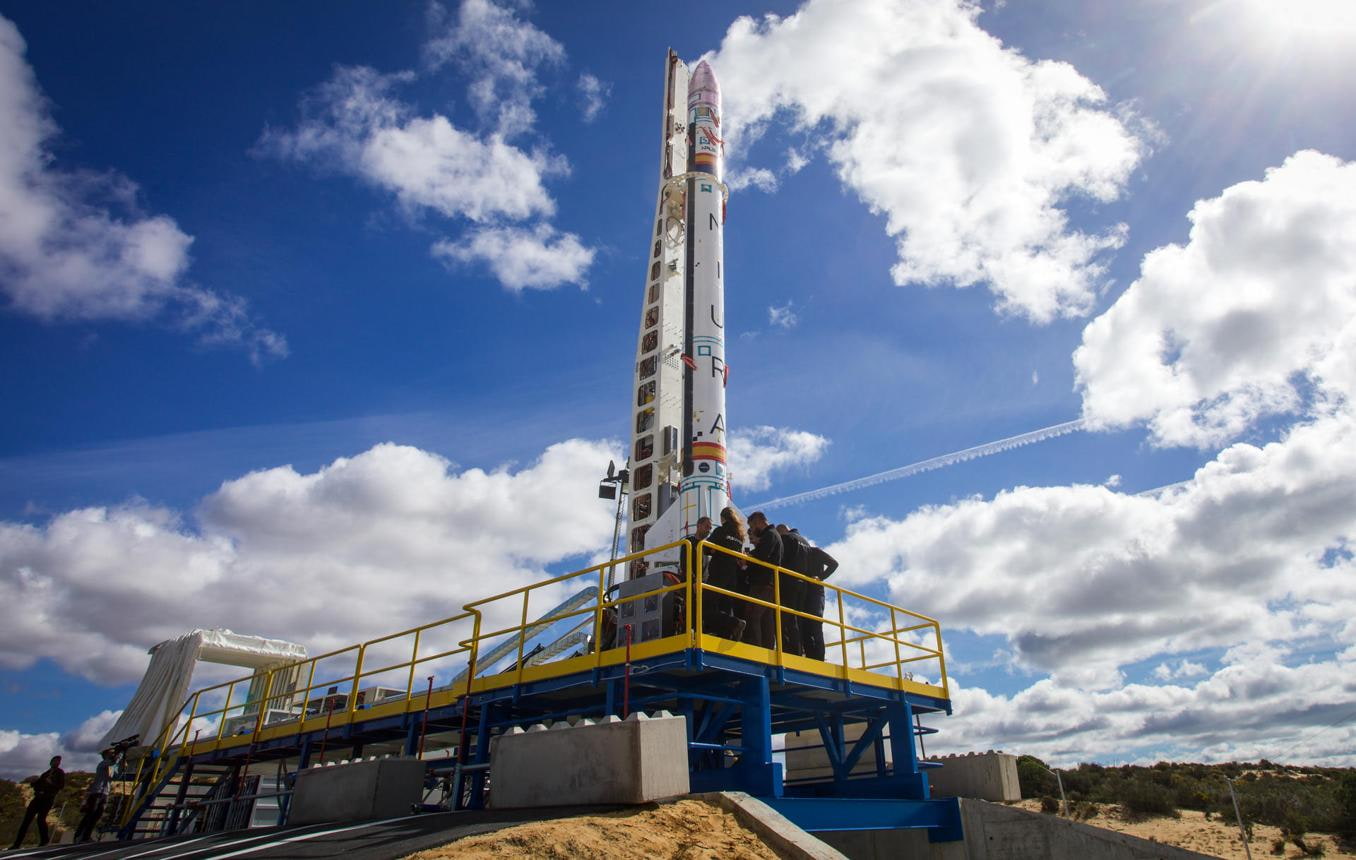
Launch capacity illustrates the stakes. ESA’s European Launcher Challenge has already awarded a conditional €158.9 million contract to the Spanish firm PLD Space, a sign that public money is shifting toward commercial European launchers. A smaller EU space budget would slow that shift and leave Europe more reliant on foreign rockets.

What happens next

The negotiating timetable is now the main variable. Member states must agree a common position on the 2028-2034 framework, then reach a deal with Parliament, and the space allocation is likely to be one of the later items to close. Watch for three signals: a ring-fenced figure for Galileo and Copernicus, a clear share for IRIS², and a decision on the 2 GHz licence before May 2027.

The EU space budget will be judged on whether it turns strategic language about autonomy into predictable funding. If the final package protects civil services and finances secure connectivity, Europe keeps its place among the major space powers. If it does not, the 2027 deadline will arrive before the money does.