October 9, 2026
LATEST
Rare Earth Export Licences Elude Most European Applicants In ChinaAlbania EU Accession Talks Enter Closing Phase Before MontenegroAustralia Horizon Europe Association Opens EU Grants From 2027EU-Philippines Trade Deal Needs Legal Text Before It Can MoveCommercial Flights Top 2 Million As Airfares Fall 0.4 percentConsular Protection Overhaul Wins 470 Votes In ParliamentMetal Packaging Cartel Appeals Fail at the Top EU CourtTelecom Ministers Meet In Limerick To Test Digital Networks ActDeforestation Regulation Keeps 30 December Start After ReviewTikTok DMA Gatekeeper Appeal Awaits the EU’s Top CourtIndustrial Accelerator Act Puts UK Access on the TableIrish Presidency Tables MFF Negotiating Box Before Leaders MeetMoldova EU Accession Target Of 2029 Meets The Transnistria QuestionCouncil Vote On The EU-India Free Trade Agreement Tests Fast TrackDuma Elections Trigger EU Asset Freezes On Ten Russian OfficialsMinors Face Tiered Social Media Access Under The EU KIDS ActAGILE Defence Programme Gets Parliament Nod For €115 Million BoostEnergy Charter Treaty Row Takes Hungary And MOL To CourtLate Payment Directive Case Hits Greek Hospital SuppliersAccess To Standards Puts France’s AFNOR Rules Under ScrutinyRare Earth Export Licences Elude Most European Applicants In ChinaAlbania EU Accession Talks Enter Closing Phase Before MontenegroAustralia Horizon Europe Association Opens EU Grants From 2027EU-Philippines Trade Deal Needs Legal Text Before It Can MoveCommercial Flights Top 2 Million As Airfares Fall 0.4 percentConsular Protection Overhaul Wins 470 Votes In ParliamentMetal Packaging Cartel Appeals Fail at the Top EU CourtTelecom Ministers Meet In Limerick To Test Digital Networks ActDeforestation Regulation Keeps 30 December Start After ReviewTikTok DMA Gatekeeper Appeal Awaits the EU’s Top CourtIndustrial Accelerator Act Puts UK Access on the TableIrish Presidency Tables MFF Negotiating Box Before Leaders MeetMoldova EU Accession Target Of 2029 Meets The Transnistria QuestionCouncil Vote On The EU-India Free Trade Agreement Tests Fast TrackDuma Elections Trigger EU Asset Freezes On Ten Russian OfficialsMinors Face Tiered Social Media Access Under The EU KIDS ActAGILE Defence Programme Gets Parliament Nod For €115 Million BoostEnergy Charter Treaty Row Takes Hungary And MOL To CourtLate Payment Directive Case Hits Greek Hospital SuppliersAccess To Standards Puts France’s AFNOR Rules Under Scrutiny
October 9, 2026
LATEST
Rare Earth Export Licences Elude Most European Applicants In ChinaAlbania EU Accession Talks Enter Closing Phase Before MontenegroAustralia Horizon Europe Association Opens EU Grants From 2027EU-Philippines Trade Deal Needs Legal Text Before It Can MoveCommercial Flights Top 2 Million As Airfares Fall 0.4 percentConsular Protection Overhaul Wins 470 Votes In ParliamentMetal Packaging Cartel Appeals Fail at the Top EU CourtTelecom Ministers Meet In Limerick To Test Digital Networks ActDeforestation Regulation Keeps 30 December Start After ReviewTikTok DMA Gatekeeper Appeal Awaits the EU’s Top CourtIndustrial Accelerator Act Puts UK Access on the TableIrish Presidency Tables MFF Negotiating Box Before Leaders MeetMoldova EU Accession Target Of 2029 Meets The Transnistria QuestionCouncil Vote On The EU-India Free Trade Agreement Tests Fast TrackDuma Elections Trigger EU Asset Freezes On Ten Russian OfficialsMinors Face Tiered Social Media Access Under The EU KIDS ActAGILE Defence Programme Gets Parliament Nod For €115 Million BoostEnergy Charter Treaty Row Takes Hungary And MOL To CourtLate Payment Directive Case Hits Greek Hospital SuppliersAccess To Standards Puts France’s AFNOR Rules Under ScrutinyRare Earth Export Licences Elude Most European Applicants In ChinaAlbania EU Accession Talks Enter Closing Phase Before MontenegroAustralia Horizon Europe Association Opens EU Grants From 2027EU-Philippines Trade Deal Needs Legal Text Before It Can MoveCommercial Flights Top 2 Million As Airfares Fall 0.4 percentConsular Protection Overhaul Wins 470 Votes In ParliamentMetal Packaging Cartel Appeals Fail at the Top EU CourtTelecom Ministers Meet In Limerick To Test Digital Networks ActDeforestation Regulation Keeps 30 December Start After ReviewTikTok DMA Gatekeeper Appeal Awaits the EU’s Top CourtIndustrial Accelerator Act Puts UK Access on the TableIrish Presidency Tables MFF Negotiating Box Before Leaders MeetMoldova EU Accession Target Of 2029 Meets The Transnistria QuestionCouncil Vote On The EU-India Free Trade Agreement Tests Fast TrackDuma Elections Trigger EU Asset Freezes On Ten Russian OfficialsMinors Face Tiered Social Media Access Under The EU KIDS ActAGILE Defence Programme Gets Parliament Nod For €115 Million BoostEnergy Charter Treaty Row Takes Hungary And MOL To CourtLate Payment Directive Case Hits Greek Hospital SuppliersAccess To Standards Puts France’s AFNOR Rules Under Scrutiny

Fertiliser Action Plan Faces Its First Test On Farm Costs

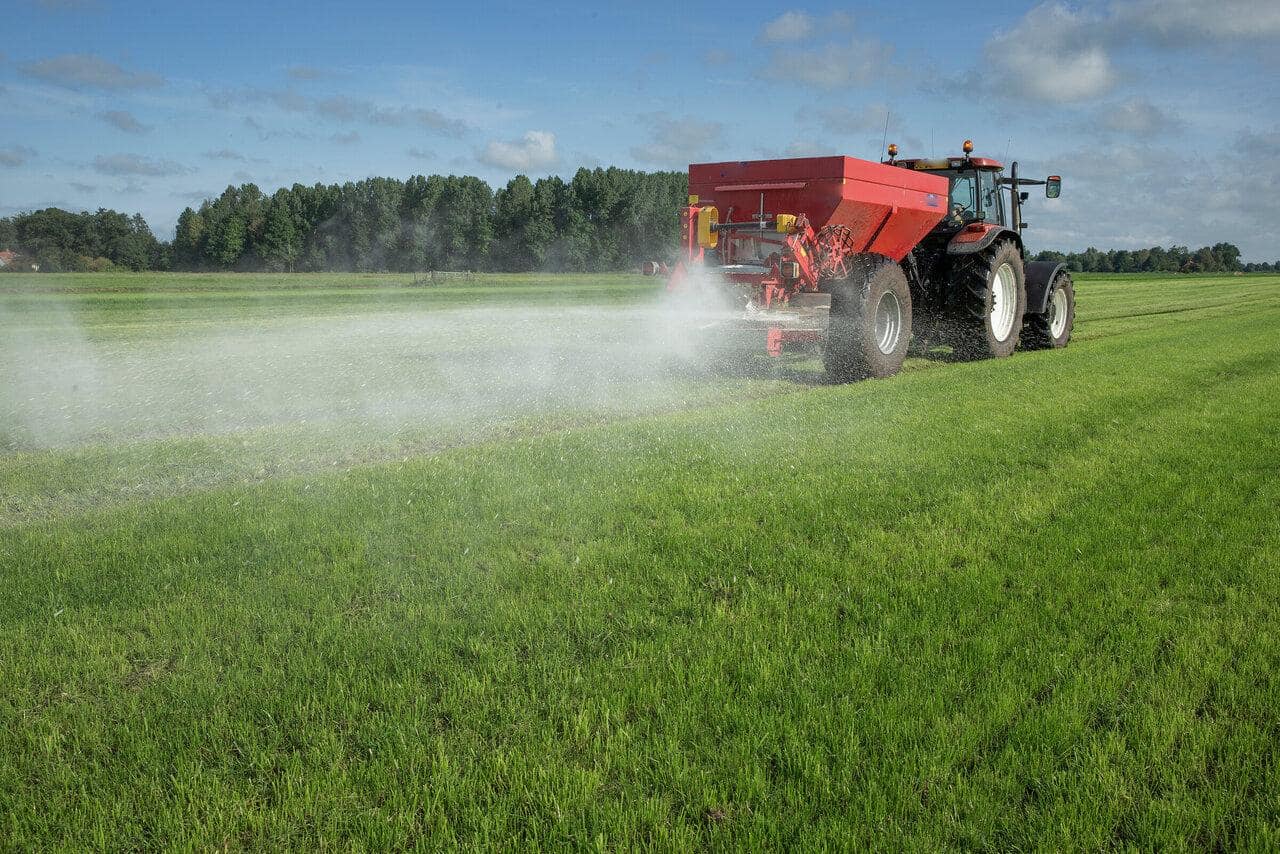
The fertiliser action plan is the Commission’s answer to a cost problem that farmers feel every spring, and ministers put it back on the table at the Agriculture and Fisheries Council on 28 and 29 September 2026. The Commission adopted the plan on 19 May 2026 to ease affordability, secure supply and cut Europe’s exposure to shocks in a market that it does not control.

The timing matters because the plan now overlaps with the negotiation on the post-2027 Common Agricultural Policy. The Irish Presidency wants a partial general approach on that file at the Council meeting on 26 and 27 October, and fertiliser support is one of the tools that capitals want to anchor in farm payments.

What the fertiliser action plan promises farmers

The plan works on two clocks. The short clock is relief. Since February 2026 the Union has applied temporary duty-free quotas for nitrogen fertilisers, ammonia and urea, which lowers the tariff bill on a handful of high-volume products. A temporary state aid framework followed in April 2026, allowing governments to support farmers and producers beyond the usual limits.

The long clock is structural. The fertiliser action plan promotes organic, bio-based and circular products, including fertilisers made from algae biomass and from nutrients recovered from sewage sludge. Funding is meant to come from existing Common Agricultural Policy instruments and from a sizeable top-up of the agricultural reserve, rather than from a new budget line.

How the carbon border adjustment mechanism affects fertiliser prices

Fertilisers are among the goods covered by the carbon border adjustment mechanism, and that is the most contested link in the whole file. Farm groups argue that a carbon charge on imported nitrogen products raises costs for buyers before European producers have cut their own emissions. The Commission answers that fertilisers should face a lighter markup than other covered sectors, which softens the early impact while keeping the climate logic intact.

Both views contain truth. Imports keep prices competitive for farmers, yet dependence on a few outside suppliers exposes the sector to price spikes whenever gas or shipping markets tighten. The fertiliser action plan tries to hold the two concerns together, and its success will depend on how the markup is applied in practice and how quickly domestic output can grow.

Why ministers link fertiliser support to the CAP

At the September Council, Agriculture Commissioner Christophe Hansen presented the fertiliser action plan alongside the broader reform debate. Ministers did not treat it as a separate subject. Capitals that want transitional national aid after 2027, or European reinsurance for risk management, see fertiliser costs as proof that farm incomes need a stronger safety net.

Other governments worry about the opposite risk. If fertiliser aid flows through national envelopes, richer states can offer more help, which distorts competition in the single market. Slovakia and others have also warned against cutting agricultural funds to finance defence, so any new fertiliser spending will be judged against the wider budget fight for 2028 to 2034.

Where the fertiliser action plan could fall short

Three weaknesses stand out. The first is speed. Temporary quotas and aid help this season, but new capacity for bio-based fertilisers takes years to build and needs predictable demand. The second is evidence. Farmers will only switch to circular products if agronomic performance and prices match the mineral alternatives, and field data remain thin in many regions.

The third weakness is coordination. The plan touches trade, state aid, climate policy and the CAP, which sit in different parts of the Commission and in different Council formations. Without a clear owner for monitoring, the fertiliser action plan risks becoming a list of measures that no one tracks.

What happens next

Watch three dates and signals. The 26 and 27 October Council will show how far ministers are ready to write fertiliser support into the CAP text. The next tariff review will show whether duty-free quotas are extended. Eurostat price data will show whether farmers actually see lower input costs before the next planting season.

For farmers, the practical message is to plan inputs with care and to follow national aid schemes closely. For policymakers, the fertiliser action plan is a test of whether Europe can lower costs for farmers and strengthen its own supply at the same time, and the evidence from the coming harvest cycle will decide whether the answer is yes.