Munich: When more than a million Europeans sign a petition, Brussels is obliged to listen, and the “Stop Killing Games” campaign has forced an awkward question onto the Commission’s desk. Can a company sell you a video game and then, years later, switch it off for good? The citizens’ initiative, which gathered well over a million verified signatures, argues that publishers who disable online games leave paying customers with nothing, and it wants the practice curbed.
A consumer question dressed as a gaming one
The campaign is narrower than it looks and broader than it sounds. Narrow, because it began with players furious at seeing purchased titles rendered unplayable once servers were retired. Broad, because it touches a principle at the heart of the digital economy: what you actually own when you buy a licence rather than a physical good. The same logic reaches e-books, streamed music and subscription software.
How Brussels has responded
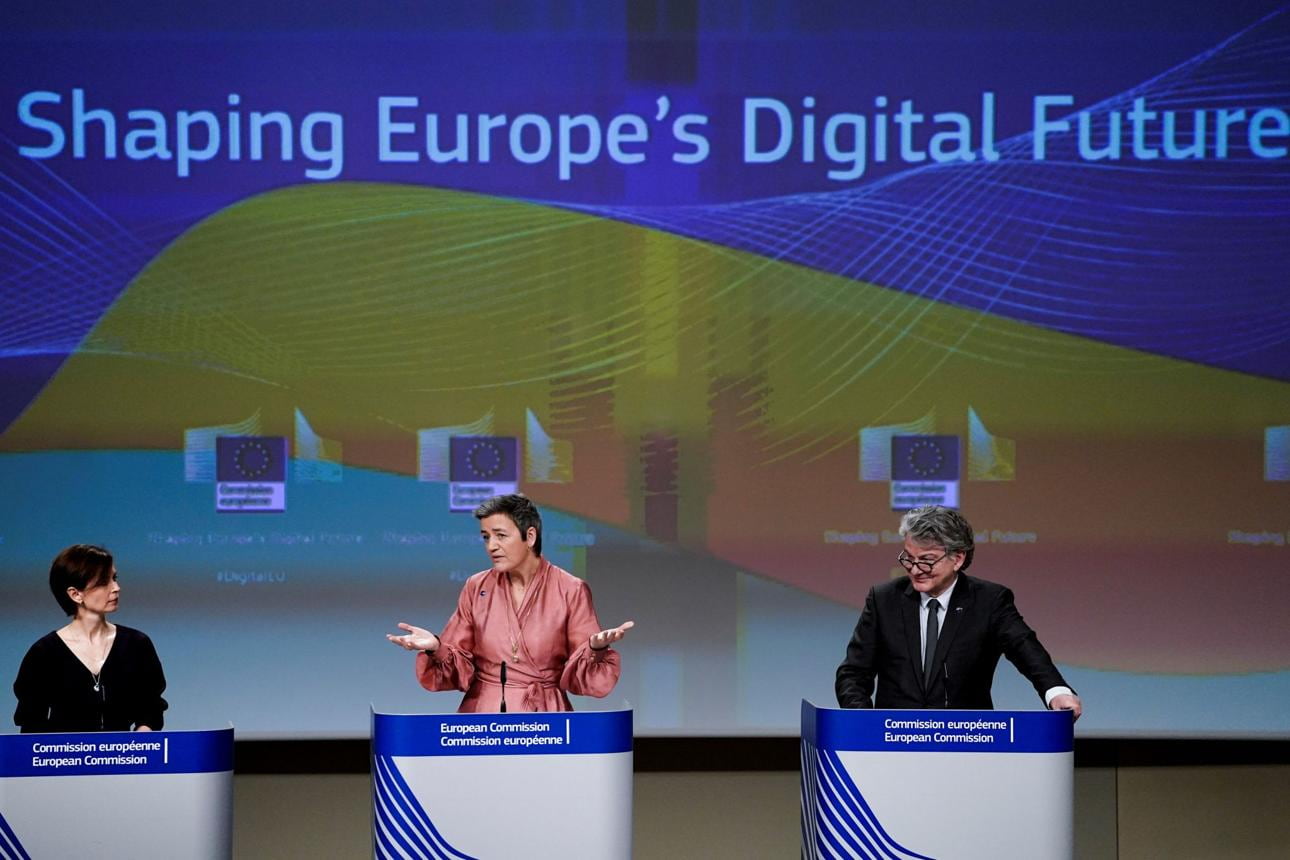
Rather than promising a hard legal mandate, the Commission has signalled that game preservation belongs inside the forthcoming Digital Fairness Act, and floated a voluntary code of conduct to be developed by the end of 2026. That is a characteristically cautious answer: acknowledge the grievance, avoid an immediate statutory obligation, and test whether industry will police itself before reaching for binding rules.
“A voluntary code without a legal backstop risks becoming a promise the largest publishers can quietly ignore,” one consumer-rights advocate warned, capturing the campaigners’ unease.
The case for caution
The Commission’s reluctance is not merely timidity. Mandating that games remain playable forever raises genuine costs and intellectual-property questions. Some titles depend on third-party servers, licensed music or live services that cannot simply be handed to users. A blunt rule could deter smaller studios from launching online features at all, and could collide with copyright the publishers do not fully control.
The case for teeth
Yet voluntary codes have a mixed record in digital markets. Without enforceable obligations, the incentive to preserve a commercially dead product is weak, and the burden falls on the very consumers least able to organise. Campaigners point out that requiring an “end-of-life” plan, such as an offline mode or the release of server tools when support ends, is a modest ask compared with an open-ended guarantee.
A precedent in the making
How the Digital Fairness Act treats game preservation will echo well past the console. If Brussels codifies even a light obligation, such as disclosing when online support ends or offering a path to keep single-player modes alive, it establishes that digital purchases carry durable expectations. If it settles for a voluntary pledge, it signals that intangible ownership remains whatever the seller says it is. Either way, a niche gaming grievance has become a proxy for the terms of the entire digital marketplace.
What it signals
The episode is a small test of a larger idea. The European Union has spent a decade positioning itself as the world’s consumer-protection regulator, from data rights to the right to repair. Digital ownership is the next frontier, and how it handles a gaming petition will hint at whether that ambition extends to the intangible goods people increasingly buy but never quite possess. The answer, for now, is a deferral dressed as a compromise, and campaigners are unlikely to let it rest.