August 10, 2026
LATEST
Europe’s Air Quality Improves but WHO Limits LoomTwelve New EU Medicines Win a Green Light from EMAFIFA Agent Rules Must Answer to Europe’s CourtsTachograph Rules Now Reach Vans Crossing Europe’s BordersNature Restoration Plans Come Due as a Hard Deadline NearsBrussels Opens a State Aid Probe Into Spain’s Renewables PayoutBrussels Extends Its Tariff Suspension on US Goods IndefinitelyFarmers Win Stronger Contract Rights Across the EU Supply ChainEurope Finally Locks In Its 348-Satellite Answer to StarlinkPlatform Work Rules Face a National Scramble Before DecemberDuty-Free Parcels Reach the End of the Line for EU ShoppersAfter Nine Years, Europe and Australia Seal a Trade PactBeijing Answers Europe’s Russia Sanctions in KindOne Year On, the EU-Japan Alliance Faces Its First TestEurope’s Chip Ambitions Still Run Through Taiwan’s FabsWhy South Korea Bet Its Research Future on Europe’s ProgrammeEurope and Japan Deepen Their Economic Alliance as Rivals CircleFive Joint Defence Projects Launch Europe’s Military ShieldElectrification Plan Aims to Make Europe First Electro ContinentHorizon Europe Budget Fight Heats Up as Ministers Push BackEurope’s Air Quality Improves but WHO Limits LoomTwelve New EU Medicines Win a Green Light from EMAFIFA Agent Rules Must Answer to Europe’s CourtsTachograph Rules Now Reach Vans Crossing Europe’s BordersNature Restoration Plans Come Due as a Hard Deadline NearsBrussels Opens a State Aid Probe Into Spain’s Renewables PayoutBrussels Extends Its Tariff Suspension on US Goods IndefinitelyFarmers Win Stronger Contract Rights Across the EU Supply ChainEurope Finally Locks In Its 348-Satellite Answer to StarlinkPlatform Work Rules Face a National Scramble Before DecemberDuty-Free Parcels Reach the End of the Line for EU ShoppersAfter Nine Years, Europe and Australia Seal a Trade PactBeijing Answers Europe’s Russia Sanctions in KindOne Year On, the EU-Japan Alliance Faces Its First TestEurope’s Chip Ambitions Still Run Through Taiwan’s FabsWhy South Korea Bet Its Research Future on Europe’s ProgrammeEurope and Japan Deepen Their Economic Alliance as Rivals CircleFive Joint Defence Projects Launch Europe’s Military ShieldElectrification Plan Aims to Make Europe First Electro ContinentHorizon Europe Budget Fight Heats Up as Ministers Push Back
August 10, 2026
LATEST
Europe’s Air Quality Improves but WHO Limits LoomTwelve New EU Medicines Win a Green Light from EMAFIFA Agent Rules Must Answer to Europe’s CourtsTachograph Rules Now Reach Vans Crossing Europe’s BordersNature Restoration Plans Come Due as a Hard Deadline NearsBrussels Opens a State Aid Probe Into Spain’s Renewables PayoutBrussels Extends Its Tariff Suspension on US Goods IndefinitelyFarmers Win Stronger Contract Rights Across the EU Supply ChainEurope Finally Locks In Its 348-Satellite Answer to StarlinkPlatform Work Rules Face a National Scramble Before DecemberDuty-Free Parcels Reach the End of the Line for EU ShoppersAfter Nine Years, Europe and Australia Seal a Trade PactBeijing Answers Europe’s Russia Sanctions in KindOne Year On, the EU-Japan Alliance Faces Its First TestEurope’s Chip Ambitions Still Run Through Taiwan’s FabsWhy South Korea Bet Its Research Future on Europe’s ProgrammeEurope and Japan Deepen Their Economic Alliance as Rivals CircleFive Joint Defence Projects Launch Europe’s Military ShieldElectrification Plan Aims to Make Europe First Electro ContinentHorizon Europe Budget Fight Heats Up as Ministers Push BackEurope’s Air Quality Improves but WHO Limits LoomTwelve New EU Medicines Win a Green Light from EMAFIFA Agent Rules Must Answer to Europe’s CourtsTachograph Rules Now Reach Vans Crossing Europe’s BordersNature Restoration Plans Come Due as a Hard Deadline NearsBrussels Opens a State Aid Probe Into Spain’s Renewables PayoutBrussels Extends Its Tariff Suspension on US Goods IndefinitelyFarmers Win Stronger Contract Rights Across the EU Supply ChainEurope Finally Locks In Its 348-Satellite Answer to StarlinkPlatform Work Rules Face a National Scramble Before DecemberDuty-Free Parcels Reach the End of the Line for EU ShoppersAfter Nine Years, Europe and Australia Seal a Trade PactBeijing Answers Europe’s Russia Sanctions in KindOne Year On, the EU-Japan Alliance Faces Its First TestEurope’s Chip Ambitions Still Run Through Taiwan’s FabsWhy South Korea Bet Its Research Future on Europe’s ProgrammeEurope and Japan Deepen Their Economic Alliance as Rivals CircleFive Joint Defence Projects Launch Europe’s Military ShieldElectrification Plan Aims to Make Europe First Electro ContinentHorizon Europe Budget Fight Heats Up as Ministers Push Back

Irish Slump Drags a Barely Growing Eurozone Into Full Reverse

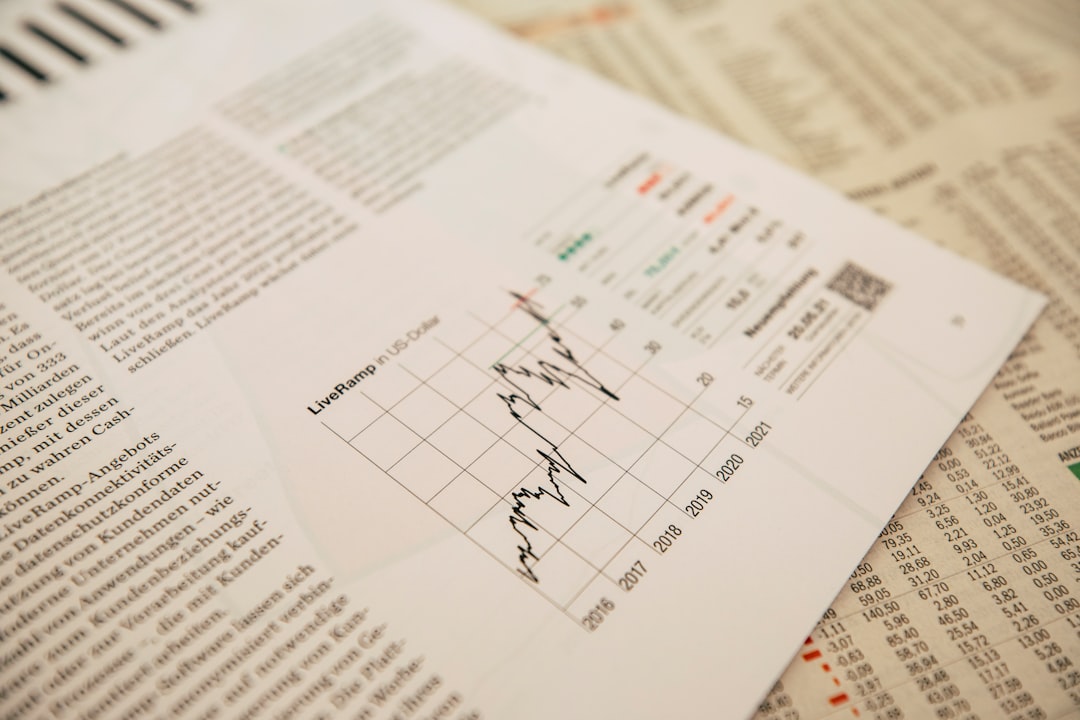
Cork: Revised figures from Eurostat have turned a feeble recovery into an outright stumble. The EU statistics office now estimates that seasonally adjusted gross domestic product fell by 0.2 percent in the euro area and 0.1 percent across the wider Union in the first quarter of 2026, a downgrade from the flash reading that had shown the bloc inching forward. Measured against the same quarter a year earlier the economy was still larger, up 0.8 percent in the euro area and 1.0 percent in the EU, but the quarter-on-quarter reversal punctures any claim that Europe has decisively escaped stagnation.

The headline conceals sharp national divergence, and nowhere is that clearer than in Ireland, which recorded the bloc’s steepest contraction at 2.0 percent. Irish quarterly data are notoriously volatile because a handful of multinationals book vast intellectual-property and contract-manufacturing flows through Dublin, so the swing says more about corporate accounting than about shops and factories in Cork or Limerick. Still, a number that large drags the entire euro-area average lower, a reminder of how a single distorted economy can colour the picture for hundreds of millions of people.

Elsewhere the spread was narrower but telling. Finland posted the strongest growth at 0.9 percent, followed by Hungary at 0.8 percent and Estonia and Spain at 0.6 percent each. At the other end, Lithuania shrank by 0.4 percent and Sweden by 0.2 percent. The pattern defies easy regional stories, with southern and Nordic economies appearing on both sides of the ledger, suggesting the drag is less about geography than about exposure to weak external demand and the lagged bite of high borrowing costs.

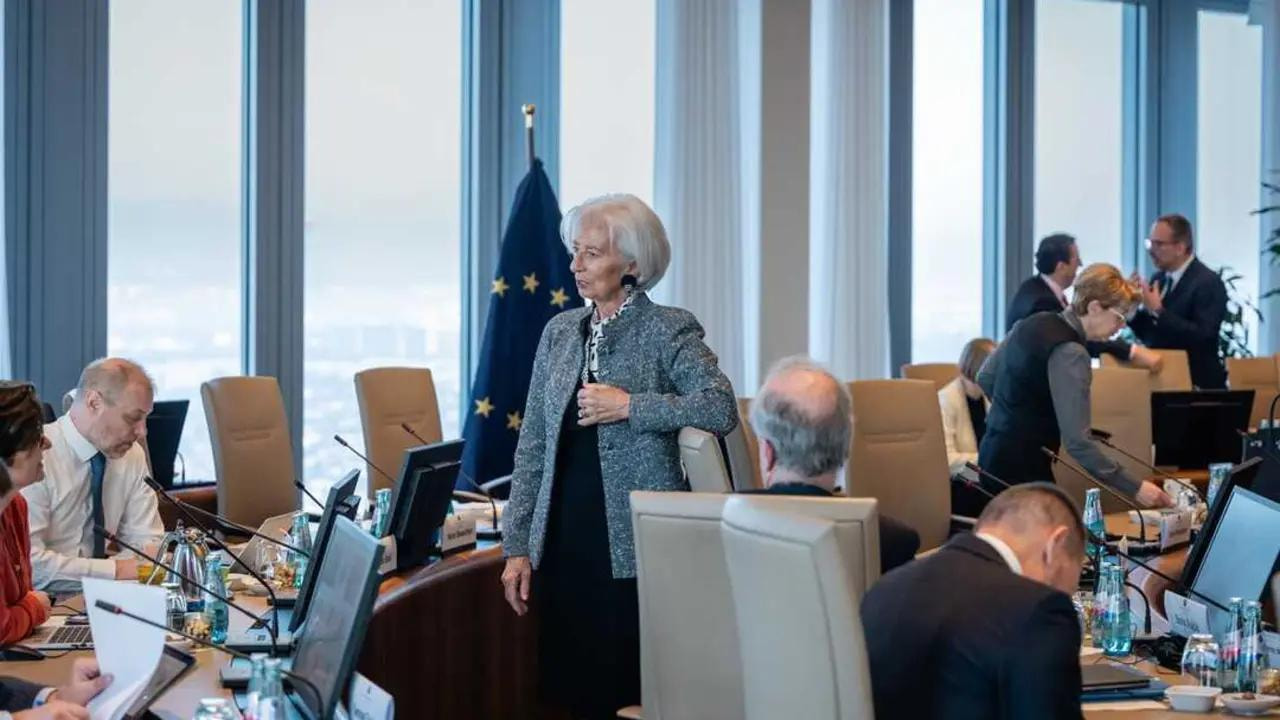
Why it matters reaches beyond the spreadsheet. The European Central Bank has been easing cautiously, betting that growth would firm enough to absorb past rate rises. A contracting first quarter complicates that judgement, strengthening doves who want faster cuts while giving hawks cover to warn that weak demand reflects deeper competitiveness problems cheap money will not fix. National finance ministries, meanwhile, are drafting budgets on growth assumptions this release quietly undermines, and softer output means softer tax revenue just as defence and debt costs climb.

The data also feed the political fight over the Union’s next long-term budget. Capitals arguing for restraint can point to flatlining output as proof the bloc cannot afford grand new commitments, while those pressing for investment will say stagnation is precisely the reason to spend. Both draw on the same table.

What comes next is a test of whether the quarter was a blip or a trend. Eurostat will publish a fuller breakdown in the coming weeks, and the second-quarter flash estimate at the end of summer will show whether the contraction extended. For now the message is sobering but not alarming. Europe is not in recession, but it is barely moving, and the margin between gentle expansion and quiet decline has rarely looked thinner.