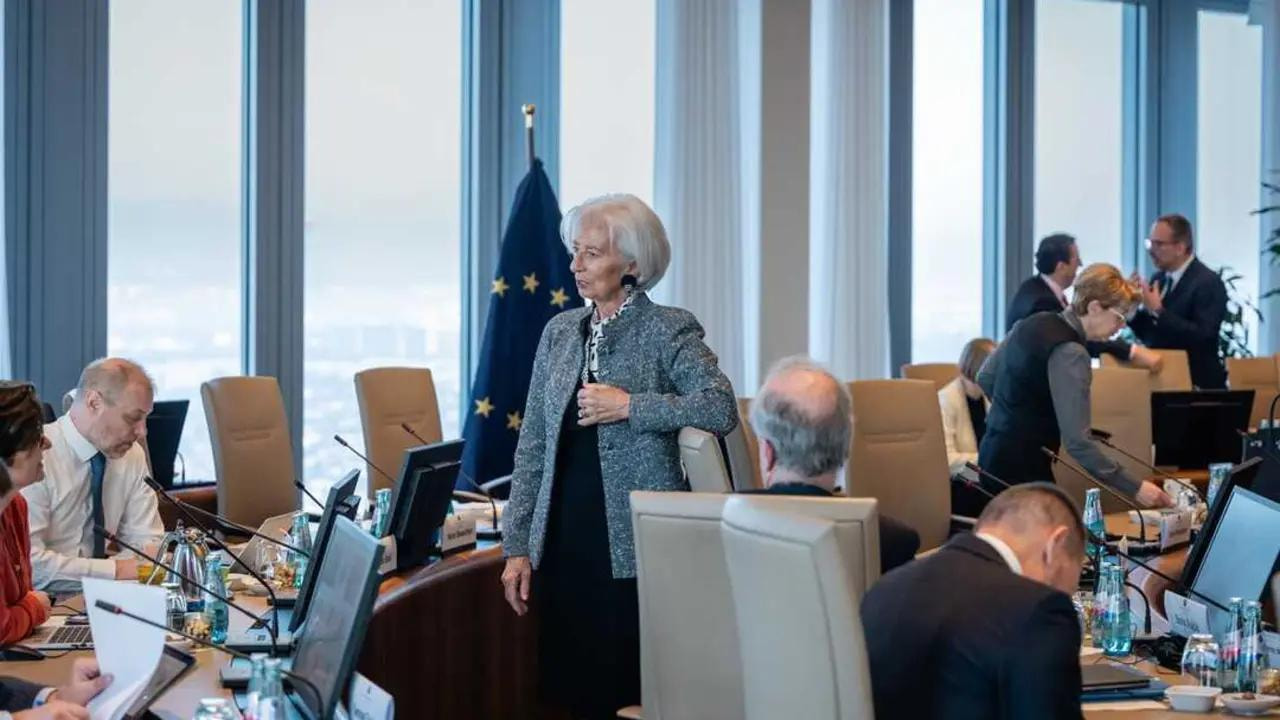
Ljubljana: For most of its history European environmental policy has spoken the language of limits, telling industry and farmers what they may not do to the air, the water and the soil. At the Environment Council on 25 June, ministers spent much of their time exploring a different and more contentious idea: that nature is not only something to be protected from the economy but an economic asset in its own right, one whose preservation might be made to pay.
The discussion ranged across the amendment to car and van emission standards and the REACH chemicals regulation, but the conceptual heart of the meeting was biodiversity. Ministers acknowledged what conservationists have argued for years, that the loss of ecosystems is not merely an ecological tragedy but a direct threat to economic prosperity, competitiveness and resilience. Pollinators that fail, soils that erode and wetlands that no longer buffer floods all impose costs that eventually land on businesses and public budgets. The framing flips the usual debate: protecting nature becomes a matter of hard economic self-interest rather than moral obligation.
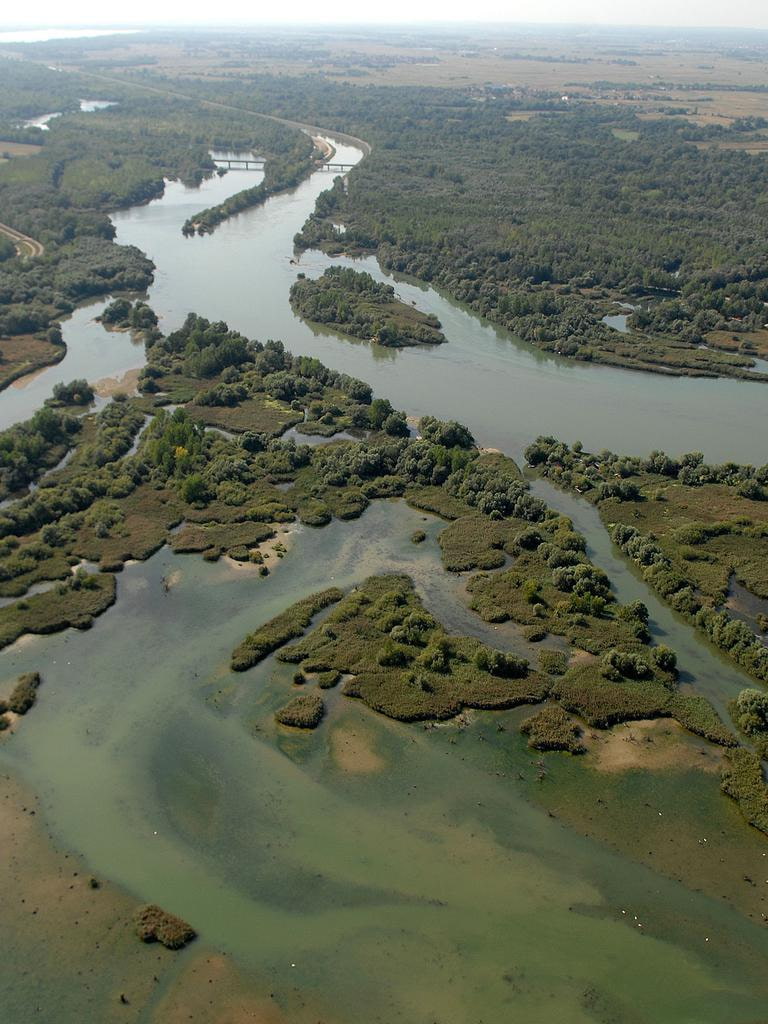
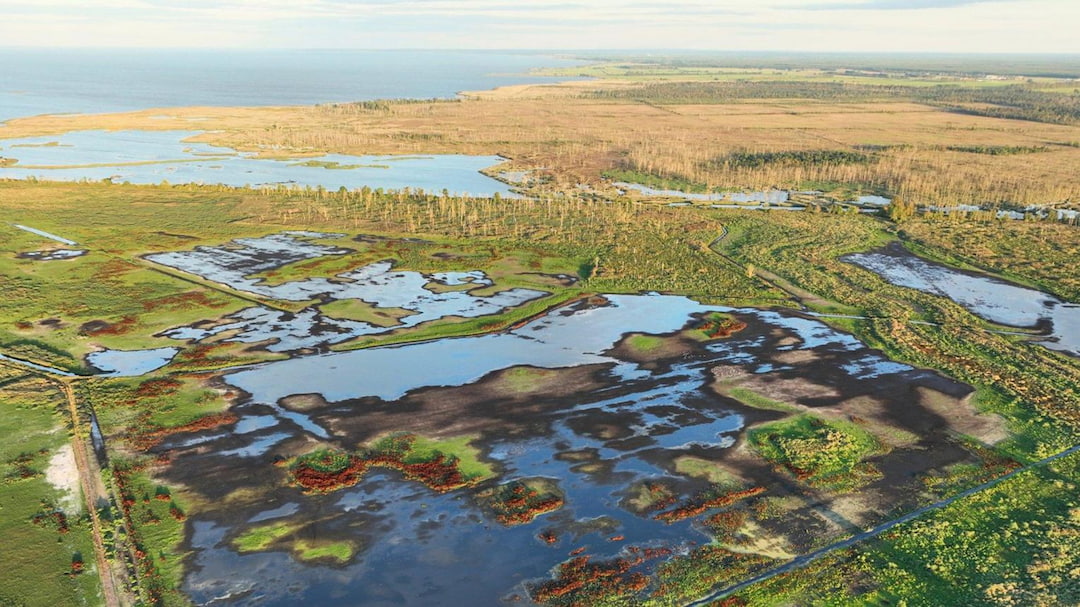
From that premise flows the most debated instrument on the table, the so-called nature credit. The idea borrows from carbon markets: a landowner who restores a wetland, replants a forest or manages a meadow to boost biodiversity would generate verified credits that companies or public bodies could buy, channelling private money toward stewardship that public funds alone cannot sustain. Proponents see it as a way to reward the farmers and foresters who actually hold the land on which Europe’s biodiversity depends, giving them a reason to conserve rather than convert.
The scepticism is equally sharp. Carbon markets have a long record of credits that overstated their benefits, of accounting that proved more creative than the climate could afford, and critics warn that nature is even harder to measure than carbon. How does one verify that a hectare of restored marsh delivers the biodiversity it claims, or guarantee the benefit endures after the credit is sold? Environmental groups worry that a poorly designed market could become a licence to keep damaging nature in one place while buying cheap, dubious offsets in another, a greenwashing machine dressed in the vocabulary of stewardship.
The timing is pointed. The conversation unfolded shortly after World Desertification and Drought Day on 17 June, around which the Union has been pressing for faster action on land restoration and water resilience, both framed explicitly as foundations of economic security rather than green luxuries. Drought that empties reservoirs and cracks farmland is no longer an abstract future; it is a recurring summer reality across southern Europe, and it concentrates minds on the value of healthy ecosystems in a way that decades of advocacy did not.
What the Council produced was discussion rather than decision. Ministers examined how to unlock the potential of what economists call ecosystem services and how to make funding for nature predictable and measurable, but the nature credit remains a concept to be designed, not a policy to be implemented. The questions of standards, verification and oversight that will determine whether such a market helps or harms are precisely the ones still unanswered.
The deeper shift, though, is the willingness to treat biodiversity as infrastructure, as something the economy runs on rather than something it can sacrifice for growth. If that idea holds, it could reshape how the Union spends and regulates for years. If the instruments built on it prove flimsy, it risks turning a genuine insight into another market that promises to save nature while quietly accounting it away.