Warsaw: The European Union is pressing ahead with a sweeping overhaul of its energy grids, betting that faster permits and better-connected borders can carry the clean-power boom its climate targets demand.
Energy ministers backed the Commission’s European Grids Package in late June, endorsing a common framework for planning electricity, hydrogen and gas networks across the bloc. The Commission followed with further legislative proposals in mid-July.
The package rewrites the TEN-E rules that govern cross-border infrastructure and amends permitting procedures buried in the Renewable Energy Directive, the electricity market rules and the gas directive. The goal is blunt: build lines faster.
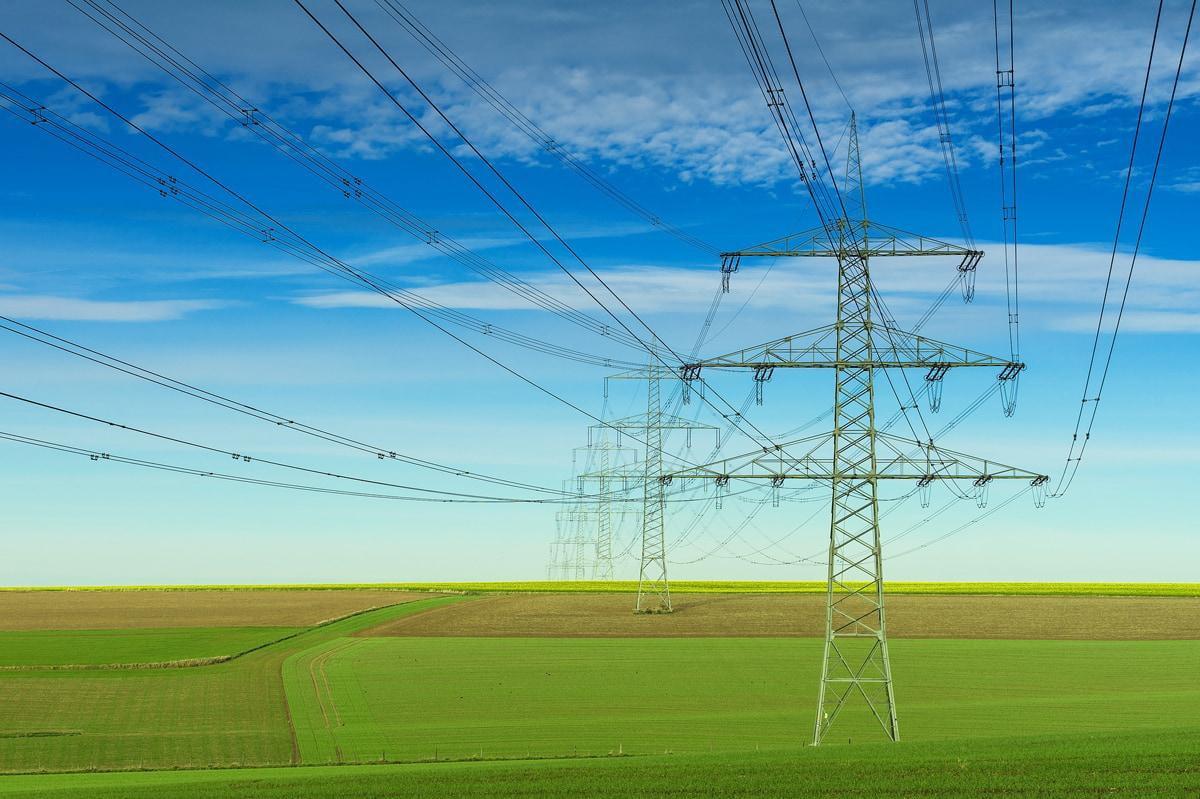
Grids have become the quiet bottleneck of the energy transition. Wind and solar farms can go up in months, but the high-voltage cables that carry their output often take a decade to approve and construct.
Without new interconnectors, cheap renewable power stays trapped in the regions that generate it, while neighbouring countries burn costlier fuel. Ministers want a central planning scenario, drafted by the Commission, to spot those gaps years in advance.
The Council has published its position through the Council of the EU, framing the reform as central to decarbonisation and to Europe’s push for energy security after years of volatile gas prices.
Poland illustrates the stakes. The country still leans heavily on coal, and its grid operators need billions in new lines to absorb the offshore wind now rising in the Baltic and the solar spreading across its south.
Money remains the sticking point. Analysts estimate the Union must invest hundreds of billions of euros this decade to modernise its networks, and regulators disagree over how much of that cost should fall on consumers’ bills.
Critics also warn that an electrification target alone will not move the needle. Campaigners argue the Union needs firm deadlines and enforcement, not just planning frameworks, if permits are to speed up in practice.
Supporters counter that harmonised rules cut the biggest source of delay, the patchwork of national procedures that can stall a single interconnector for years. A common rulebook, they say, gives investors the certainty to commit.
The proposals now head into negotiations between the Council and the European Parliament, where the details of permitting deadlines and cost-sharing will decide how much the reform actually accelerates construction.