October 18, 2026
LATEST
Disaster Risk Management Gets A Satellite Upgrade In The EUGoogle DMA Compliance Still Unsettled After €890m FinesErasmus+ Budget Left Exposed As Irish Draft Falls ApartInclusive Democratic Participation Wins Council Backing In ShieldTripartite Social Summit Pits Unions Against Business Over BudgetGeorgia Opposition Ban Hearings Leave Brussels With Few Levers LeftMercosur Trade Deal Faces Berlin Scrutiny While Court Opinion LoomsAmazon Critical Minerals Rush Collides With Organised Crime RoutesWTO E-Commerce Moratorium Lapse Pushes Brussels Toward PlurilateralsLebanon Mission Offers Brussels A Light Footprint After UNIFILEthiopia Eritrea Crisis Tests Europe’s Quiet Diplomacy In The HornImports Lift Euro Area Trade Deficit To €16.1 Billion In AugustRegions Seek Binding Role In Cohesion Policy Partnership PlansPoverty And Social Exclusion Top 54 percent In Guyane As EU Gap WidensMontenegro EU Accession Reaches 21 Closed Chapters, 12 To GoRail Operators Resist Deeper Cuts To The EU Transport BudgetAlbania EU Accession Gains Fourth Closed Chapter And A 2027 GoalPostponed EU-GCC Summit Leaves Gulf Partnership Without A DateHouse Price Index Shows Portugal Surging While France SlipsBeating Cancer Plan Report Pushes Tougher Tobacco RulesDisaster Risk Management Gets A Satellite Upgrade In The EUGoogle DMA Compliance Still Unsettled After €890m FinesErasmus+ Budget Left Exposed As Irish Draft Falls ApartInclusive Democratic Participation Wins Council Backing In ShieldTripartite Social Summit Pits Unions Against Business Over BudgetGeorgia Opposition Ban Hearings Leave Brussels With Few Levers LeftMercosur Trade Deal Faces Berlin Scrutiny While Court Opinion LoomsAmazon Critical Minerals Rush Collides With Organised Crime RoutesWTO E-Commerce Moratorium Lapse Pushes Brussels Toward PlurilateralsLebanon Mission Offers Brussels A Light Footprint After UNIFILEthiopia Eritrea Crisis Tests Europe’s Quiet Diplomacy In The HornImports Lift Euro Area Trade Deficit To €16.1 Billion In AugustRegions Seek Binding Role In Cohesion Policy Partnership PlansPoverty And Social Exclusion Top 54 percent In Guyane As EU Gap WidensMontenegro EU Accession Reaches 21 Closed Chapters, 12 To GoRail Operators Resist Deeper Cuts To The EU Transport BudgetAlbania EU Accession Gains Fourth Closed Chapter And A 2027 GoalPostponed EU-GCC Summit Leaves Gulf Partnership Without A DateHouse Price Index Shows Portugal Surging While France SlipsBeating Cancer Plan Report Pushes Tougher Tobacco Rules
October 18, 2026
LATEST
Disaster Risk Management Gets A Satellite Upgrade In The EUGoogle DMA Compliance Still Unsettled After €890m FinesErasmus+ Budget Left Exposed As Irish Draft Falls ApartInclusive Democratic Participation Wins Council Backing In ShieldTripartite Social Summit Pits Unions Against Business Over BudgetGeorgia Opposition Ban Hearings Leave Brussels With Few Levers LeftMercosur Trade Deal Faces Berlin Scrutiny While Court Opinion LoomsAmazon Critical Minerals Rush Collides With Organised Crime RoutesWTO E-Commerce Moratorium Lapse Pushes Brussels Toward PlurilateralsLebanon Mission Offers Brussels A Light Footprint After UNIFILEthiopia Eritrea Crisis Tests Europe’s Quiet Diplomacy In The HornImports Lift Euro Area Trade Deficit To €16.1 Billion In AugustRegions Seek Binding Role In Cohesion Policy Partnership PlansPoverty And Social Exclusion Top 54 percent In Guyane As EU Gap WidensMontenegro EU Accession Reaches 21 Closed Chapters, 12 To GoRail Operators Resist Deeper Cuts To The EU Transport BudgetAlbania EU Accession Gains Fourth Closed Chapter And A 2027 GoalPostponed EU-GCC Summit Leaves Gulf Partnership Without A DateHouse Price Index Shows Portugal Surging While France SlipsBeating Cancer Plan Report Pushes Tougher Tobacco RulesDisaster Risk Management Gets A Satellite Upgrade In The EUGoogle DMA Compliance Still Unsettled After €890m FinesErasmus+ Budget Left Exposed As Irish Draft Falls ApartInclusive Democratic Participation Wins Council Backing In ShieldTripartite Social Summit Pits Unions Against Business Over BudgetGeorgia Opposition Ban Hearings Leave Brussels With Few Levers LeftMercosur Trade Deal Faces Berlin Scrutiny While Court Opinion LoomsAmazon Critical Minerals Rush Collides With Organised Crime RoutesWTO E-Commerce Moratorium Lapse Pushes Brussels Toward PlurilateralsLebanon Mission Offers Brussels A Light Footprint After UNIFILEthiopia Eritrea Crisis Tests Europe’s Quiet Diplomacy In The HornImports Lift Euro Area Trade Deficit To €16.1 Billion In AugustRegions Seek Binding Role In Cohesion Policy Partnership PlansPoverty And Social Exclusion Top 54 percent In Guyane As EU Gap WidensMontenegro EU Accession Reaches 21 Closed Chapters, 12 To GoRail Operators Resist Deeper Cuts To The EU Transport BudgetAlbania EU Accession Gains Fourth Closed Chapter And A 2027 GoalPostponed EU-GCC Summit Leaves Gulf Partnership Without A DateHouse Price Index Shows Portugal Surging While France SlipsBeating Cancer Plan Report Pushes Tougher Tobacco Rules

Sea Transport Carries 73.3 Percent Of EU Imports By Weight In 2025

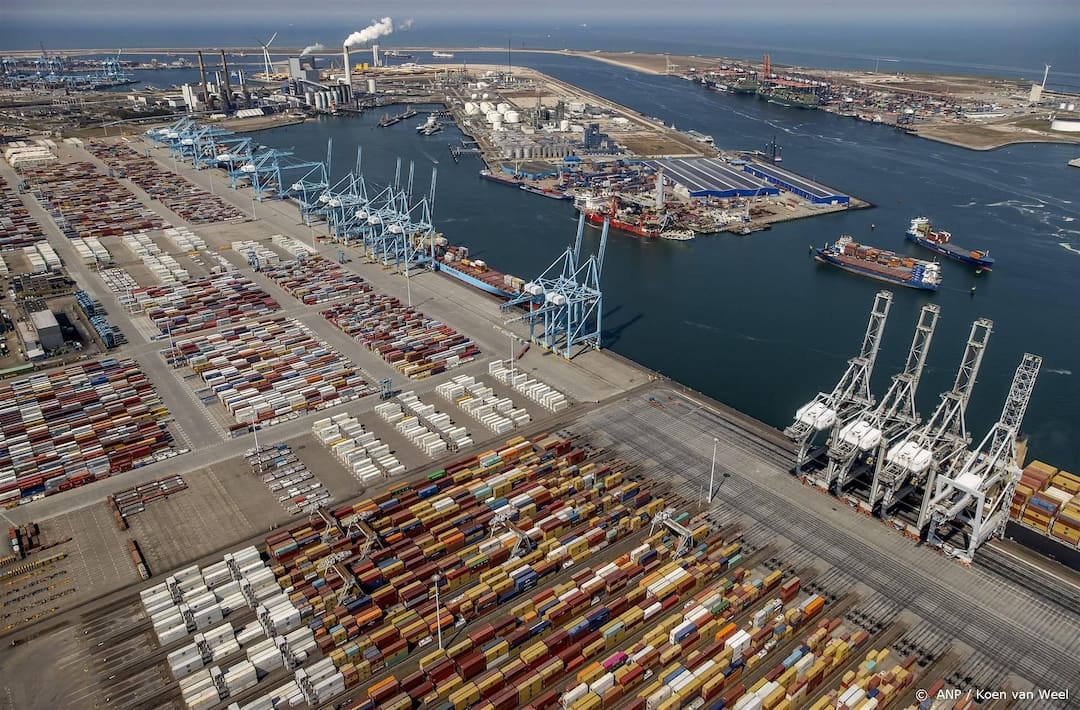
Marseille: Sea transport carried 73.3% of the weight of everything the European Union imported from outside its borders in 2025, according to a Eurostat update marking World Maritime Day on 24 September 2026. Sea imports reached 1.1 billion tonnes and were worth €1,270 billion. Sea exports were smaller, at 0.5 billion tonnes with a value of €1,069 billion, and they made up 72.6% of exports by weight.

Weight and value tell different stories. By value, sea transport handled 50.2% of imports and 40.4% of exports, so ships move the bulk of the tonnage but a smaller share of the money. Air freight shows the opposite pattern: it carried only 0.3% of imports by weight but 20.7% by value, and on the export side it held 2.9% of weight and 29.1% of value.

Road transport sits between the two. Lorries moved 6.0% of imports by weight and 19.5% by value, and they carried 17.4% of exports by weight and 24.9% by value. The higher export share probably reflects the Union’s land borders with neighbours, where trucks cross directly rather than through ports.

Rail plays a small part in trade with non-EU countries. It accounted for 2.6% of imports and 2.9% of exports by weight, and only 1.2% and 1.3% by value. Eurostat did not publish tonnages for air, road and rail in the update, so the shares are the main evidence for these modes.

These numbers explain why ports and shipping lanes matter so much to European policy makers. Any disruption to sea transport hits most of the Union’s incoming raw materials and bulk goods, while air disruption would hit a narrower group of high-value products. A closed port or a blocked strait therefore carries a much larger economic cost than the weight of cargo alone suggests.

Europe’s refineries, steelworks and food processors depend on bulk shipments, and ports such as Rotterdam, Antwerp and Marseille link those flows to inland transport networks. Port capacity, shipping costs and maritime security therefore feed straight into prices for European manufacturers and households.

The update also shows how little the Union relies on any single alternative. Road, rail and air together carry under 10% of imports by weight, so no other mode can easily replace sea transport if routes fail.

World Maritime Day gave Eurostat a natural moment to publish the figures, and the message is plain. European trade with the wider world still travels overwhelmingly by sea, and sea transport remains the backbone of the Union’s supply chains.