October 17, 2026
LATEST
Disaster Risk Management Gets A Satellite Upgrade In The EUGoogle DMA Compliance Still Unsettled After €890m FinesErasmus+ Budget Left Exposed As Irish Draft Falls ApartInclusive Democratic Participation Wins Council Backing In ShieldTripartite Social Summit Pits Unions Against Business Over BudgetGeorgia Opposition Ban Hearings Leave Brussels With Few Levers LeftMercosur Trade Deal Faces Berlin Scrutiny While Court Opinion LoomsAmazon Critical Minerals Rush Collides With Organised Crime RoutesWTO E-Commerce Moratorium Lapse Pushes Brussels Toward PlurilateralsLebanon Mission Offers Brussels A Light Footprint After UNIFILEthiopia Eritrea Crisis Tests Europe’s Quiet Diplomacy In The HornImports Lift Euro Area Trade Deficit To €16.1 Billion In AugustRegions Seek Binding Role In Cohesion Policy Partnership PlansPoverty And Social Exclusion Top 54 percent In Guyane As EU Gap WidensMontenegro EU Accession Reaches 21 Closed Chapters, 12 To GoRail Operators Resist Deeper Cuts To The EU Transport BudgetAlbania EU Accession Gains Fourth Closed Chapter And A 2027 GoalPostponed EU-GCC Summit Leaves Gulf Partnership Without A DateHouse Price Index Shows Portugal Surging While France SlipsBeating Cancer Plan Report Pushes Tougher Tobacco RulesDisaster Risk Management Gets A Satellite Upgrade In The EUGoogle DMA Compliance Still Unsettled After €890m FinesErasmus+ Budget Left Exposed As Irish Draft Falls ApartInclusive Democratic Participation Wins Council Backing In ShieldTripartite Social Summit Pits Unions Against Business Over BudgetGeorgia Opposition Ban Hearings Leave Brussels With Few Levers LeftMercosur Trade Deal Faces Berlin Scrutiny While Court Opinion LoomsAmazon Critical Minerals Rush Collides With Organised Crime RoutesWTO E-Commerce Moratorium Lapse Pushes Brussels Toward PlurilateralsLebanon Mission Offers Brussels A Light Footprint After UNIFILEthiopia Eritrea Crisis Tests Europe’s Quiet Diplomacy In The HornImports Lift Euro Area Trade Deficit To €16.1 Billion In AugustRegions Seek Binding Role In Cohesion Policy Partnership PlansPoverty And Social Exclusion Top 54 percent In Guyane As EU Gap WidensMontenegro EU Accession Reaches 21 Closed Chapters, 12 To GoRail Operators Resist Deeper Cuts To The EU Transport BudgetAlbania EU Accession Gains Fourth Closed Chapter And A 2027 GoalPostponed EU-GCC Summit Leaves Gulf Partnership Without A DateHouse Price Index Shows Portugal Surging While France SlipsBeating Cancer Plan Report Pushes Tougher Tobacco Rules
October 17, 2026
LATEST
Disaster Risk Management Gets A Satellite Upgrade In The EUGoogle DMA Compliance Still Unsettled After €890m FinesErasmus+ Budget Left Exposed As Irish Draft Falls ApartInclusive Democratic Participation Wins Council Backing In ShieldTripartite Social Summit Pits Unions Against Business Over BudgetGeorgia Opposition Ban Hearings Leave Brussels With Few Levers LeftMercosur Trade Deal Faces Berlin Scrutiny While Court Opinion LoomsAmazon Critical Minerals Rush Collides With Organised Crime RoutesWTO E-Commerce Moratorium Lapse Pushes Brussels Toward PlurilateralsLebanon Mission Offers Brussels A Light Footprint After UNIFILEthiopia Eritrea Crisis Tests Europe’s Quiet Diplomacy In The HornImports Lift Euro Area Trade Deficit To €16.1 Billion In AugustRegions Seek Binding Role In Cohesion Policy Partnership PlansPoverty And Social Exclusion Top 54 percent In Guyane As EU Gap WidensMontenegro EU Accession Reaches 21 Closed Chapters, 12 To GoRail Operators Resist Deeper Cuts To The EU Transport BudgetAlbania EU Accession Gains Fourth Closed Chapter And A 2027 GoalPostponed EU-GCC Summit Leaves Gulf Partnership Without A DateHouse Price Index Shows Portugal Surging While France SlipsBeating Cancer Plan Report Pushes Tougher Tobacco RulesDisaster Risk Management Gets A Satellite Upgrade In The EUGoogle DMA Compliance Still Unsettled After €890m FinesErasmus+ Budget Left Exposed As Irish Draft Falls ApartInclusive Democratic Participation Wins Council Backing In ShieldTripartite Social Summit Pits Unions Against Business Over BudgetGeorgia Opposition Ban Hearings Leave Brussels With Few Levers LeftMercosur Trade Deal Faces Berlin Scrutiny While Court Opinion LoomsAmazon Critical Minerals Rush Collides With Organised Crime RoutesWTO E-Commerce Moratorium Lapse Pushes Brussels Toward PlurilateralsLebanon Mission Offers Brussels A Light Footprint After UNIFILEthiopia Eritrea Crisis Tests Europe’s Quiet Diplomacy In The HornImports Lift Euro Area Trade Deficit To €16.1 Billion In AugustRegions Seek Binding Role In Cohesion Policy Partnership PlansPoverty And Social Exclusion Top 54 percent In Guyane As EU Gap WidensMontenegro EU Accession Reaches 21 Closed Chapters, 12 To GoRail Operators Resist Deeper Cuts To The EU Transport BudgetAlbania EU Accession Gains Fourth Closed Chapter And A 2027 GoalPostponed EU-GCC Summit Leaves Gulf Partnership Without A DateHouse Price Index Shows Portugal Surging While France SlipsBeating Cancer Plan Report Pushes Tougher Tobacco Rules

Tripartite Social Summit Pits Unions Against Business Over Budget

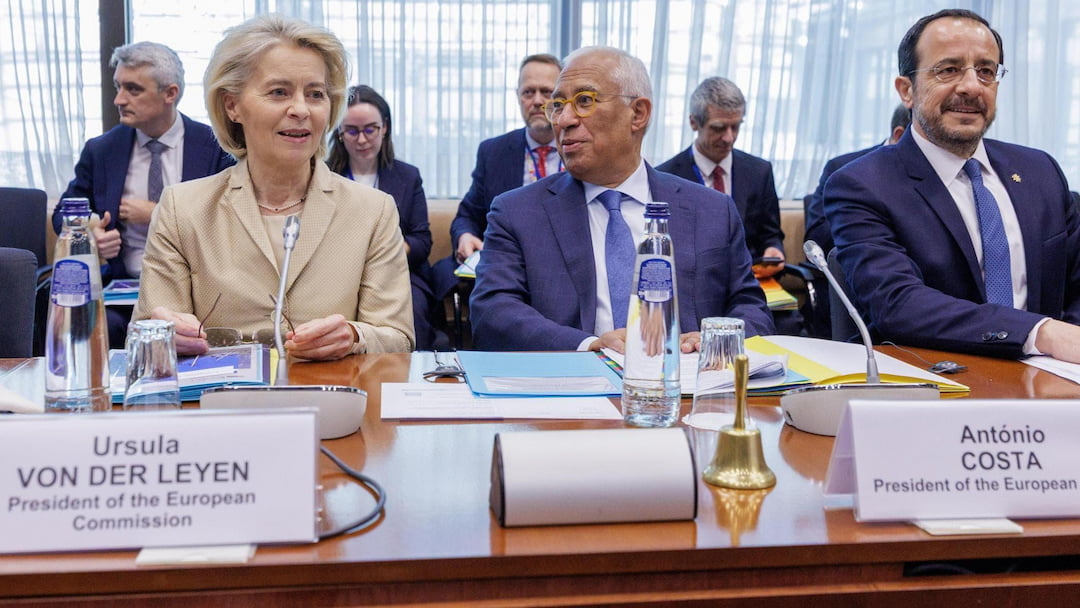
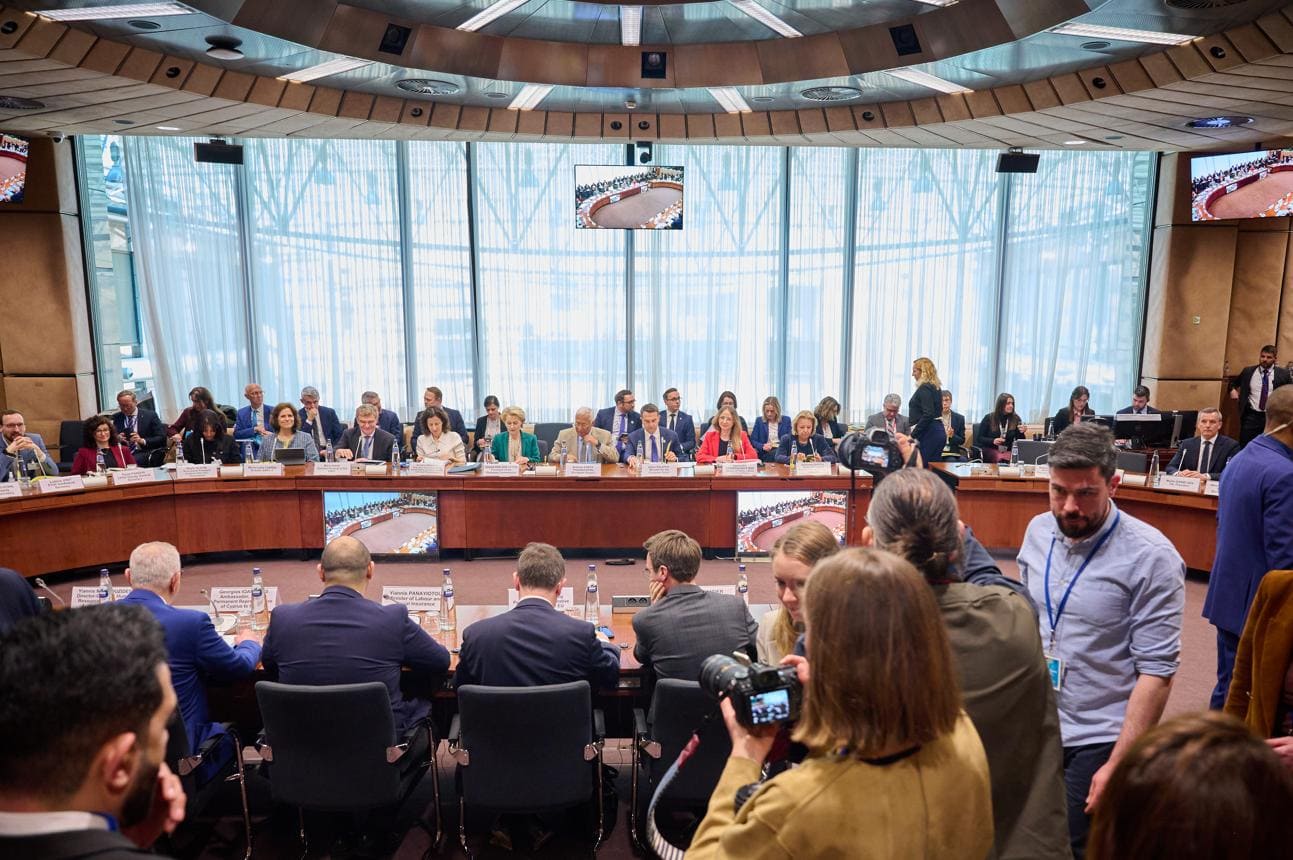
Brussels: The Tripartite Social Summit on 14 October 2026 put EU leaders and European social partners in one room to argue over the next long-term budget and the single market. António Costa, President of the European Council, said competitiveness is “not an end in itself” and urged leaders to complete the single market under the “One Europe, One Market” agenda. The meeting, titled “Driving Europe Forward,” took place one day before EU heads of government opened their own summit.

Commission President Ursula von der Leyen set out four priorities at the Tripartite Social Summit: affordable energy, a strong single market that protects workers’ rights, future-proof quality jobs and a long-term budget that preserves Europe’s social model. She stressed that dialogue with social partners is essential. Her list tied the social agenda to the same energy and budget worries that dominate the leaders’ own talks.

Irish Taoiseach Micheál Martin spoke for the rotating Council presidency. He said Ireland is advancing the “One Europe, One Market” roadmap and has made a compromise proposal on the multiannual financial framework. Martin called social dialogue central to the European social model, and the presidency aims to reach a budget agreement by the end of 2026.

Employers and unions at the Tripartite Social Summit pulled in different directions. Maciej Witucki, President of BusinessEurope, said regulation weighs too heavily on enterprises and public authorities. He urged leaders to simplify rules, deepen the single market and protect spending that raises competitiveness, including skills and infrastructure, in the next budget.

Esther Lynch, General Secretary of the European Trade Union Confederation (ETUC), offered the sharpest reading at the Tripartite Social Summit. She warned of public anger because wages lag behind housing, energy and food costs. The ETUC rejects proposed budget cuts, wants the EU to raise its own resources, including a possible European digital tax, and calls for a stronger, separate European Social Fund.

Lynch also pressed for a Quality Jobs Act with binding rules to end precarious work and exploitation. The Council summary of the Tripartite Social Summit does not confirm any timeline or commitment for such a law. Until the Commission tables a proposal, the demand remains a union negotiating position rather than a plan.

The split at the Tripartite Social Summit matters because the budget talks now move quickly. Business wants the next budget to favour competitiveness spending, while unions want social funding protected and expanded. Ministers and negotiators will have to settle that balance in the figures, not in speeches.

The Council published the main messages from the summit on the day, and the European Council conclusions of 16 October show how leaders took up the competitiveness theme. The summary presents each view as that of the speaker concerned, not as an agreed EU position.

The next stop is the Employment and Social Policy Council on 19 October, according to a Council media advisory. The Tripartite Social Summit gave those ministers a clear brief: employers want fewer rules, unions want more money and binding protections, and the Irish presidency must find a compromise that both sides can live with by year-end.