Jakarta: The Indonesia-EU CEPA is now a race against the calendar, with Indonesian ministers aiming to sign the agreement by the end of October 2026 and to send it for ratification soon after. Trade Minister Budi Santoso said on 6 October that he is optimistic about the signing date, while Coordinating Minister for Economic Affairs Airlangga Hartarto tied the timing to the finishing of the legal text in English.
Negotiators concluded the Indonesia-EU CEPA in September 2025 after nearly a decade of talks that began in 2016. Since then lawyers have scrubbed and translated the text, a slow phase that rarely draws headlines but decides when tariffs actually fall. Hartarto expects the file to reach the EU ratification stage in October, and he has targeted implementation in early 2027.
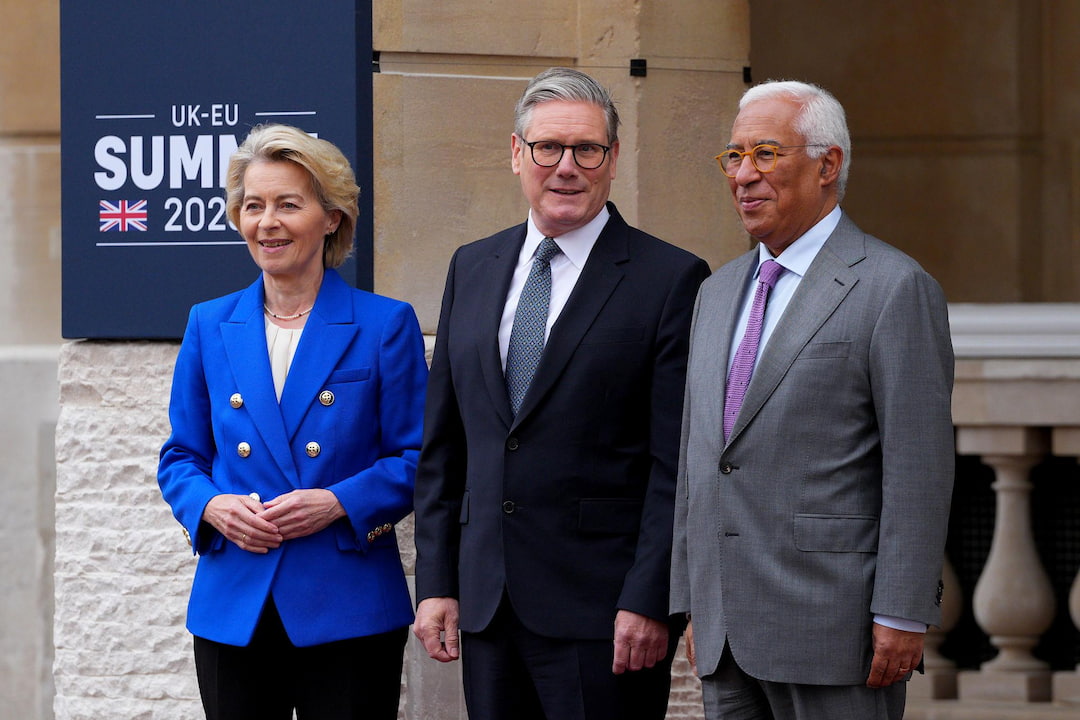
The political calendar has tightened. Hartarto said on 22 September that Commission President Ursula von der Leyen and Trade Commissioner Maroš Šefčovič plan to visit Indonesia in late October or early November, and President Prabowo Subianto has told his cabinet to speed up the work. A leaders’ visit would give both sides a natural stage for signature, though no date has been announced.
Jakarta has a practical reason for hurry. Officials say the EU’s Generalised Scheme of Preferences for Indonesian goods ends within the next year, with reports citing the end of 2026 and others pointing to 2027, and early ratification of the Indonesia-EU CEPA would bridge that gap. Without it, exporters of footwear, textiles and fishery products could face higher duties while the deal waits for approval on both sides.
The tariff terms explain the stakes. Indonesian reports say about 90 percent of Indonesian products would enter the EU at zero tariff on day one, with the rest phased out, while the EU is expected to remove duties on 98.5 percent of its tariff lines. Indonesia is also pressing for access for sustainable palm oil and its derivatives, a sector that has caused friction with Brussels for years.
Investment is the second prize. Hartarto points to European interest in hydropower, batteries, renewable energy, digital industries and critical mineral processing, which fits the Union’s search for supply chains outside China. For Brussels, the Indonesia-EU CEPA adds another Southeast Asian partner after Vietnam and builds the network of agreements that the Commission now treats as a hedge against tariff shocks elsewhere.
Risks remain for the Indonesia-EU CEPA. The European Parliament must consent, and sustainability rules on palm oil and deforestation could provoke fresh disputes, as the Mercosur case shows. Indonesian lawmakers also have to agree on the ratification mechanism, and the sources reviewed for this article give no firm timetable for either step.
Three markers will show whether the schedule holds: publication of the finished English text, the Commission’s proposal to the Council, and an announced date for the von der Leyen visit. If those arrive by November, the Indonesia-EU CEPA could start on time in 2027. If they slip, Indonesian exporters will meet the tariff cliff before the agreement is ready to protect them.