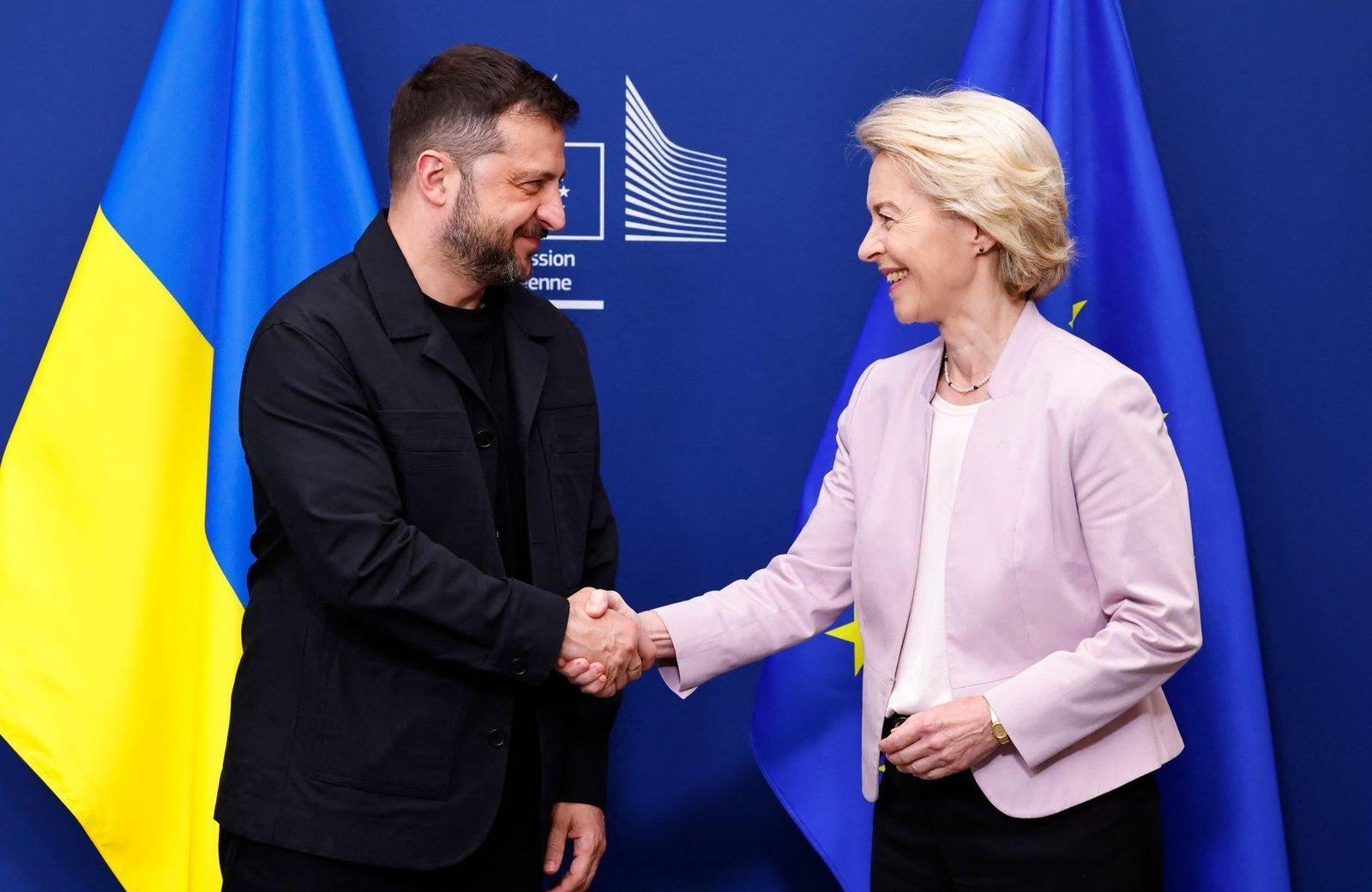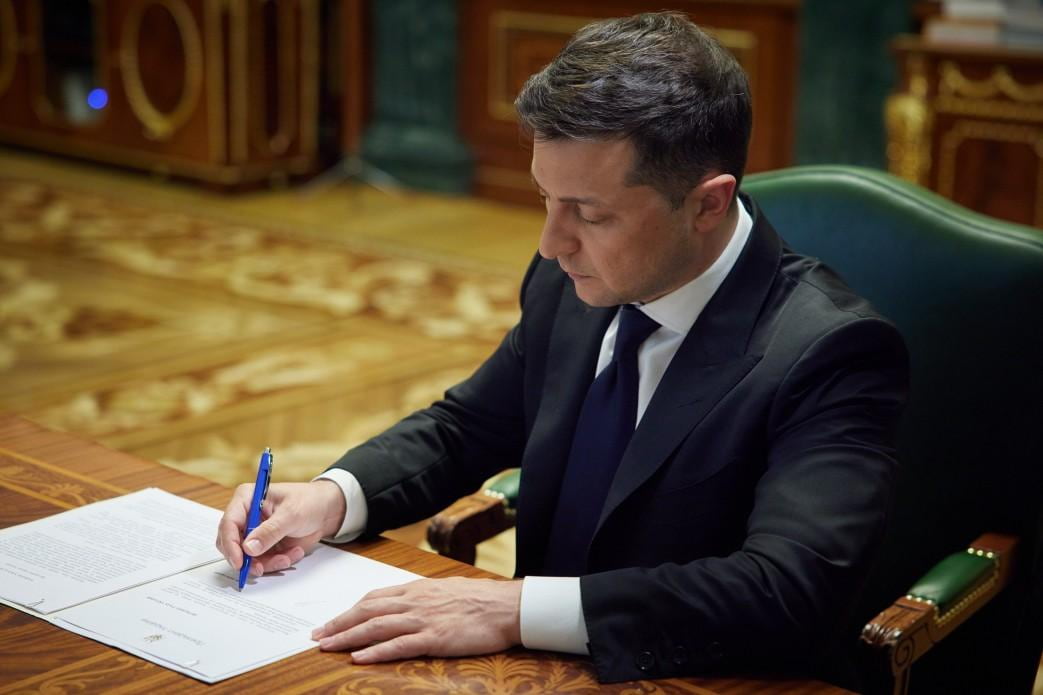
Ukraine accession talks reach a decisive week in Brussels, because a minority education law that Kyiv has just adopted is meant to unlock two negotiating clusters that Hungary has blocked since early September. EU ministers meet on 13 October, and Ukrainian officials say the second and third clusters could open the day after the Verkhovna Rada passed the bill, which reports indicate it did on 12 October, with President Volodymyr Zelenskyy signing it the same day.
The dispute began on 1 September, when Hungary refused to approve the screening results for Clusters 2 and 3 and demanded legislative steps on the rights of the Hungarian national minority in Ukraine. Because opening a cluster needs unanimity among the 27 member states, one capital can freeze the process, and Hungary used that power to tie Ukraine accession talks to a long-running argument over the language of schooling.
The answer is Bill No. 16119, which covers the right to education of Ukraine’s indigenous peoples and national minorities. Deputy Prime Minister for European Integration Vsevolod Chentsov told the Rada’s education committee that the text was coordinated with the European Commission and the OSCE High Commissioner on National Minorities. He added, “I believe we managed to strike a balance,” and described the bill as a commitment owed to neighbouring states in general, not only to Hungary.
Budapest has signalled cautious acceptance. Prime Minister Péter Magyar said he expects the educational rights of the Hungarian minority to be fully guaranteed in practice, which sets a standard that no single vote can satisfy. In other words, Hungary has moved from a veto on principle to a monitoring role, and Ukraine accession talks will depend on how schools, teachers and local authorities apply the new rules in the months ahead.
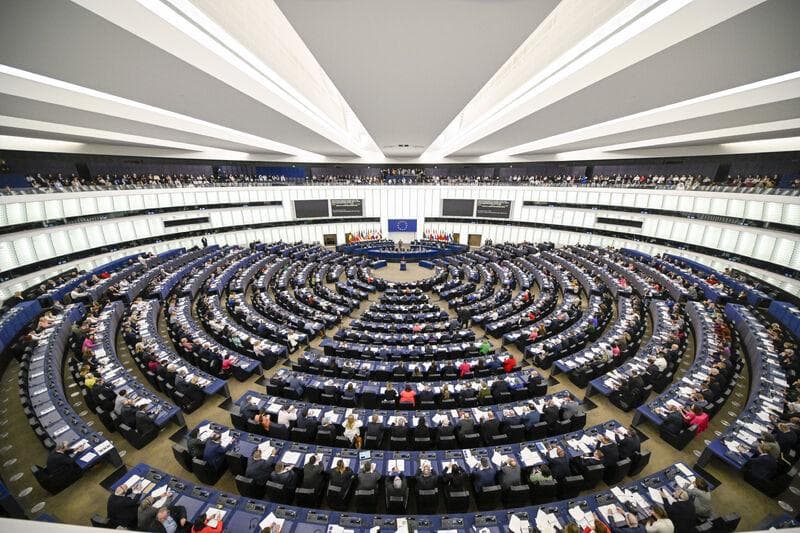
The timing matters because the October meeting is expected to be busy, and Ukraine accession talks share the agenda with Moldova. Commentators have described it as a possible enlargement day, with two clusters opening for Ukraine and two for Moldova, and with further chapters closing for Montenegro and Albania. Poland’s foreign minister, Radosław Sikorski, has said Warsaw will not block the clusters, which removes another possible source of delay.
Even a successful Tuesday would leave work to do for Ukraine accession talks. Clusters 4 and 5 remain unopened, and Chentsov says Ukraine expects all remaining clusters to open by the end of 2026. That target is ambitious, since each cluster requires screening reports, negotiating positions and a unanimous decision, and each step offers a new opportunity for objection. The Commission also keeps linking progress to reforms, a point that Commissioner Marta Kos has repeated in connection with EU funding.
For Ukraine, the political value of opening clusters is large. It shows citizens and soldiers that European integration continues during the war, and it gives reformers a calendar to work against. For the Union, the lesson is more uncomfortable, because the case demonstrates how bilateral disputes can slow a strategic enlargement decision.
The next signals to watch are the formal decision of the ministers on 13 October, the publication of the Council conclusions and the timetable for the first negotiating conference. If the clusters open as planned, Ukraine accession talks will move from a blocked file into a working negotiation in 2026. If they do not, the Rada’s vote will have shown that Kyiv delivered, and the burden of explanation will fall on the capitals that still say no.