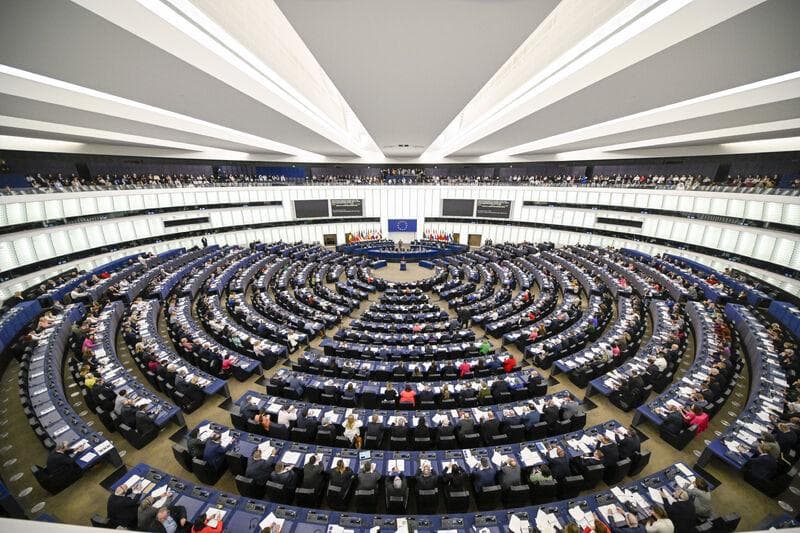
The high-speed rail action plan is heading for its first parliamentary test, after the Transport and Tourism Committee backed a set of recommendations on 5 October 2026. Members voted 34 in favour, none against and 7 abstentions, and the full Parliament is expected to take up the text at its plenary session from 19 to 22 October. The recommendations are not binding, but they set out what MEPs want from the Commission’s plan, which it presented in November 2025.
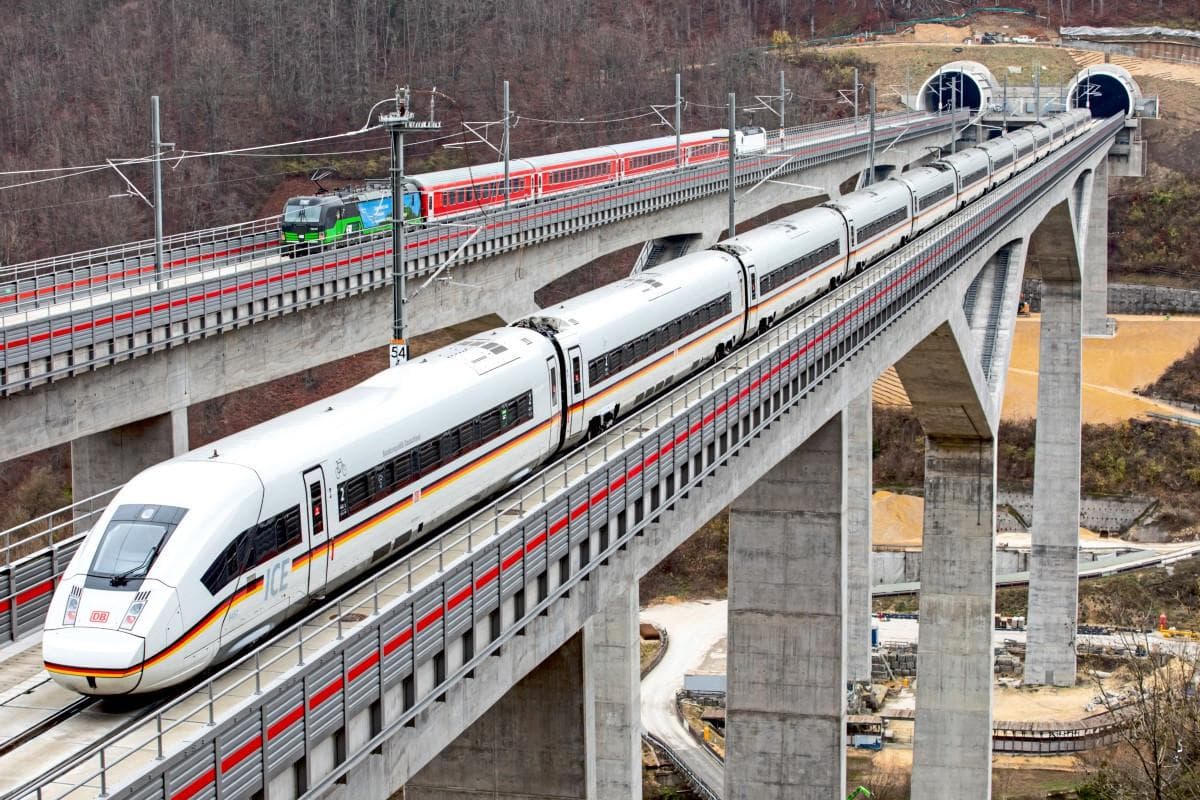
The plan aims to build a faster and better connected European network by 2040. MEPs want that network designed as a system rather than a set of isolated lines. They ask the Commission to link high-speed routes with regional rail, urban transit, cycling and walking routes, and major hubs, so that passengers can complete whole journeys without friction.
Geography is a central theme. The committee wants high-speed services to reach major cities in Europe’s regions and in neighbouring countries, not only national capitals, and it calls for better service in peripheral areas. It also urges the Commission to finish the trans-European transport network and to identify missing or underserved cross-border links, which remain the weakest points of the existing map.
Money is the hardest part of the debate. The Parliament’s press release notes that more than €100 billion from EU programmes has gone to rail infrastructure projects since 2014. For the 2028 to 2034 budget, MEPs ask for dedicated funding for the high-speed rail action plan and for the Connecting Europe Facility to be preserved and strengthened.
That request for the high-speed rail action plan lands in the middle of the negotiation on the next long-term budget. Leaders will discuss the multiannual financial framework at the European Council on 15 and 16 October, and every sector is lobbying for a protected line. A dedicated rail envelope would compete with defence, competitiveness and cohesion, which makes the committee’s demand politically ambitious.
Cohesion money is the second source MEPs name for the high-speed rail action plan. They want the National and Regional Partnership Plans to back rail investment, which would let member states use regional funds for lines that serve peripheral areas. This approach could speed up delivery, although it also leaves the choice of priorities to national governments.
Passengers feature prominently in the high-speed rail action plan as well. The committee encourages reduced-fare schemes, subscriptions and lower, more predictable prices, and it wants clearer pricing across operators. It also supports the Commission’s Passenger Package, which aims to make European ticketing systems work together, so that a traveller can book a cross-border trip on one platform.
The next steps for the high-speed rail action plan are straightforward but slow. After the plenary vote, the Commission will answer Parliament’s recommendations, and the real decisions will come through the budget talks and the revision of the TEN-T rules. Rail operators and infrastructure managers will watch for any sign that the 2040 target is being matched with money.
For travellers, the plenary vote will show whether the high-speed rail action plan has the political backing to move from strategy to construction. If Parliament adopts the committee text, it will give the Commission a clear mandate on regional reach, affordable fares and stable funding. The budget talks in 2026 and 2027 will then decide whether that mandate turns into track.