Biotech Act II is shaping up as the Commission’s attempt to turn Europe’s laboratory strengths into factory output. The Commission opened a call for evidence on 13 May 2026, which ran until 10 June, to examine the potential of industrial biotechnology and bioproduction in the EU. The consultation sets the stage for a second legislative act that would follow the first Biotech Act, which focuses on health.
The scope of Biotech Act II is wide. The impact assessment will look at lead markets, supply-side measures, regulatory sandboxes and a possible requirement to manufacture in Europe. That last option is the most striking, because it would tie public support or market access to production on EU soil.
Chemicals are the first candidate for a lead market, mainly because the sector depends heavily on fossil feedstock. Biotechnology can replace some of that feedstock with biological inputs, which would cut emissions and reduce exposure to imported oil and gas. The Commission also names plastics and polymers, fibres and textiles, construction products, fertilisers and plant protection products as possible lead markets.
Lead markets matter because they create demand before supply exists. If the EU defines a market in which public buyers or regulators favour bio-based products, producers gain the confidence to build plants. Without that signal, many European start-ups scale up abroad, where capital is cheaper and permits arrive faster.
A manufacturing requirement in Biotech Act II would be controversial. Supporters argue that it protects investment and keeps strategic know-how in the Union, in line with the wider economic security agenda. Critics warn that it could raise costs, invite retaliation from trading partners and push firms to delay projects while the rules are unclear.
Regulatory sandboxes offer Biotech Act II a gentler tool. They let companies test new processes under supervision, with temporary flexibility on rules that were written for conventional industry. For biomanufacturing, where approval times can stretch for years, a sandbox could shorten the path from pilot plant to commercial production.
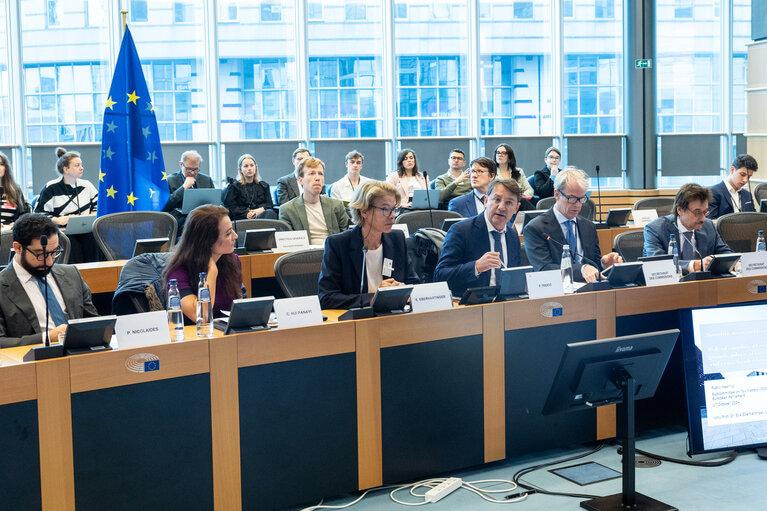
The timing is notable, since Biotech Act II arrives while the first proposal is still moving through Parliament and Council. A stakeholder workshop on the preliminary policy options took place in Brussels on 12 October 2026, which suggests the Commission is now narrowing its choices. The Commission has not yet published a firm adoption date.
Investors and industry associations should use the next months to make their case on financing, permits and procurement. The most useful evidence is concrete, such as the cost gap between a bio-based chemical and its fossil equivalent, and the time a plant needs to secure approvals. Policymakers listen to numbers more than slogans. Early, well-documented input from companies tends to shape the final text far more than late lobbying does.
The decision on Biotech Act II will reveal how far Europe is willing to go in industrial policy. A narrow act with sandboxes and lead markets would be easy to pass but might change little. A bolder text with local manufacturing rules could reshape the sector in 2026 and beyond, at the price of a harder fight with member states and trading partners.