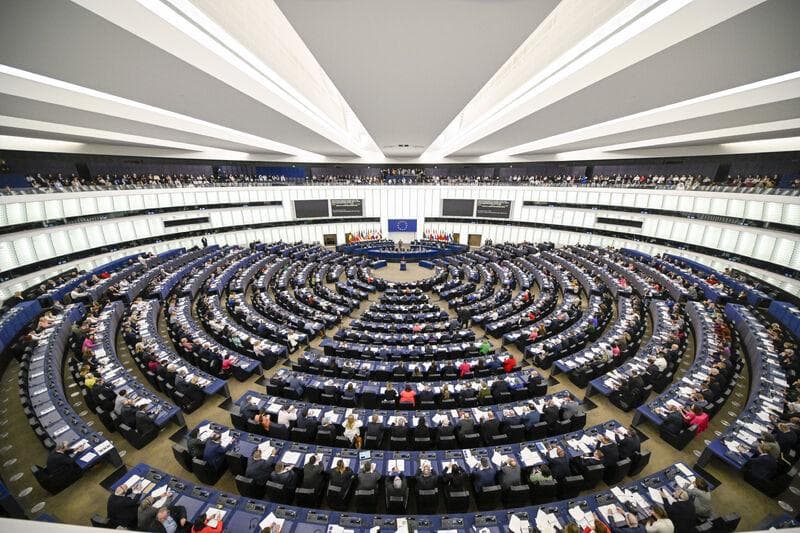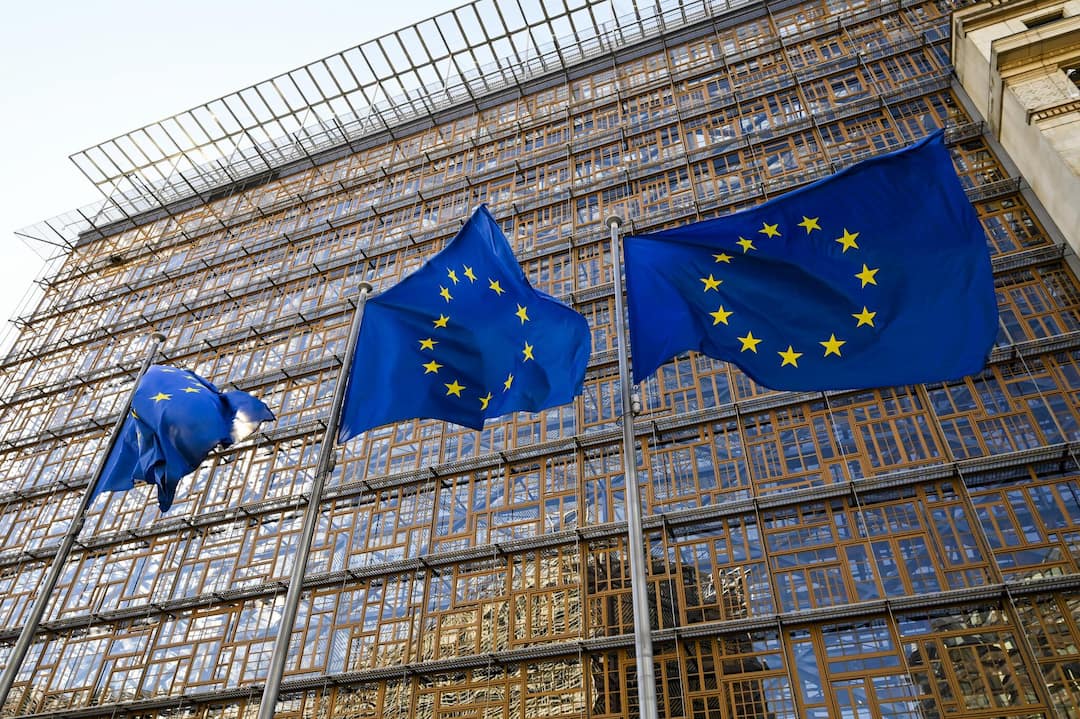
The Single Market roadmap known as One Europe, One Market lands on leaders’ desks this week, with ministers reviewing it on 13 October at the General Affairs Council in Luxembourg and heads of government taking up implementation at the European Council on 15 and 16 October. The document, signed by the presidents of the European Parliament, the Council and the Commission on 24 April 2026, sets a demanding clock: decisive progress in 2026 and full delivery by the end of 2027 at the latest.
The signing took place at an informal summit in Cyprus under the Cypriot presidency, where President Nikos Christodoulides signed on behalf of the 27 member states. The roadmap follows objectives that the European Council set in March 2026 and contains 42 legislative and political actions, each with a timeline. An annex lists the legislative initiatives that Parliament and Council have promised to treat as political priorities in their annual programming.
The Single Market roadmap rests on five building blocks. The first simplifies rules, which links the roadmap to the Commission’s Omnibus packages that the Irish presidency will report on to ministers this week. The second builds a more integrated Single Market and promises to remove the ten most harmful barriers. The third champions strong trade, the fourth aims to cut energy prices while decarbonising, and the fifth drives the digital and AI transformation.
Accountability is built in. A joint steering group of the three institutions tracks progress, and the institutions have agreed to meet quarterly to review it. That rhythm matters because the Single Market roadmap commits Parliament and Council to swift agreement, something EU lawmaking has rarely delivered on large files. The Commission, for its part, has committed to propose the initiatives listed in the annex.
The Single Market roadmap reaches the October summit at a deliberate moment. Leaders are due to discuss competitiveness and affordability, with high energy prices at the centre, and Parliament President Roberta Metsola is expected to take part in the debate on implementation. The General Affairs Council is also preparing draft conclusions for the summit and a joint declaration on 2026 legislative priorities, so the roadmap sits at the heart of the paperwork.
Businesses will judge the Single Market roadmap by results rather than ceremony. Fragmented national rules, duplicated reporting and uneven enforcement continue to raise costs for firms that sell across borders, and every month of delay on the annex files pushes the end-2027 target closer. Smaller firms in particular depend on barriers being named and removed rather than studied.
The next test comes quickly. If leaders confirm the Single Market roadmap in their conclusions, the focus will shift to the quarterly reviews and to whether Parliament and Council keep the annex files moving through negotiations. A missed deadline on the first batch would show how hard it is to deliver such an ambitious schedule.