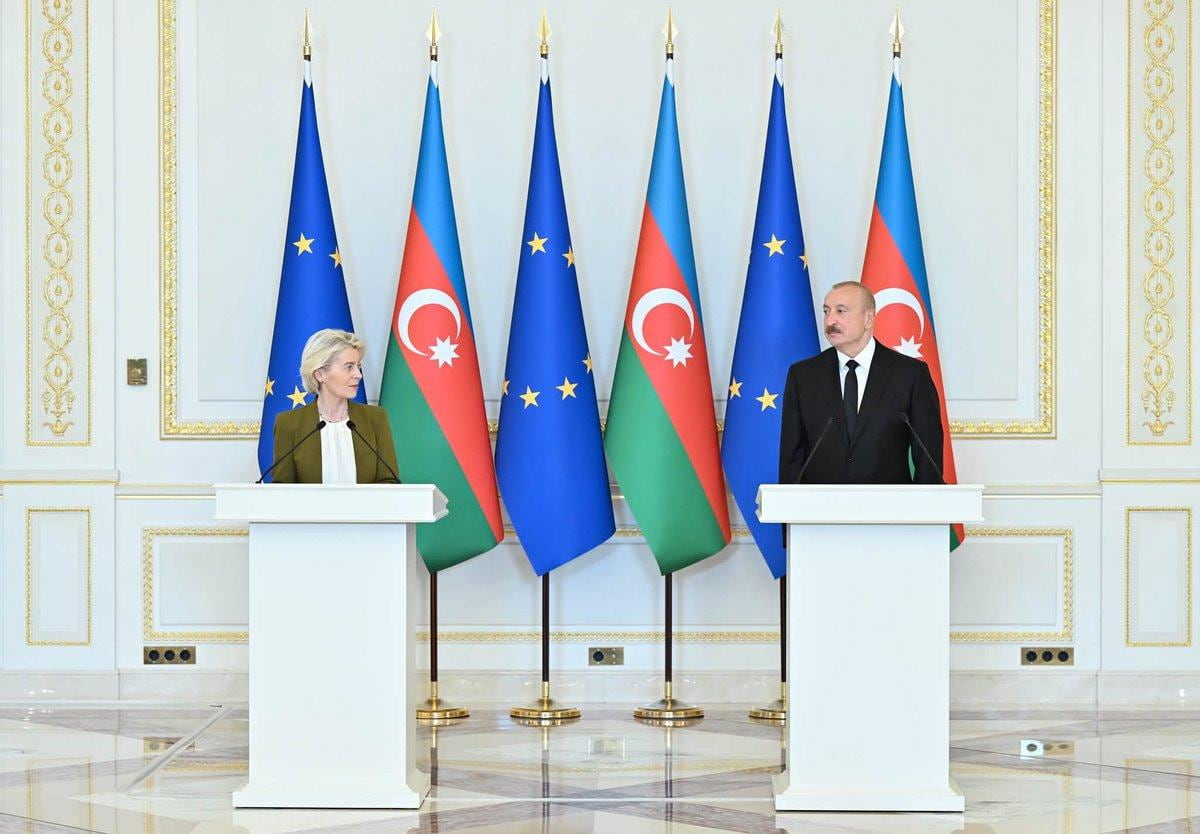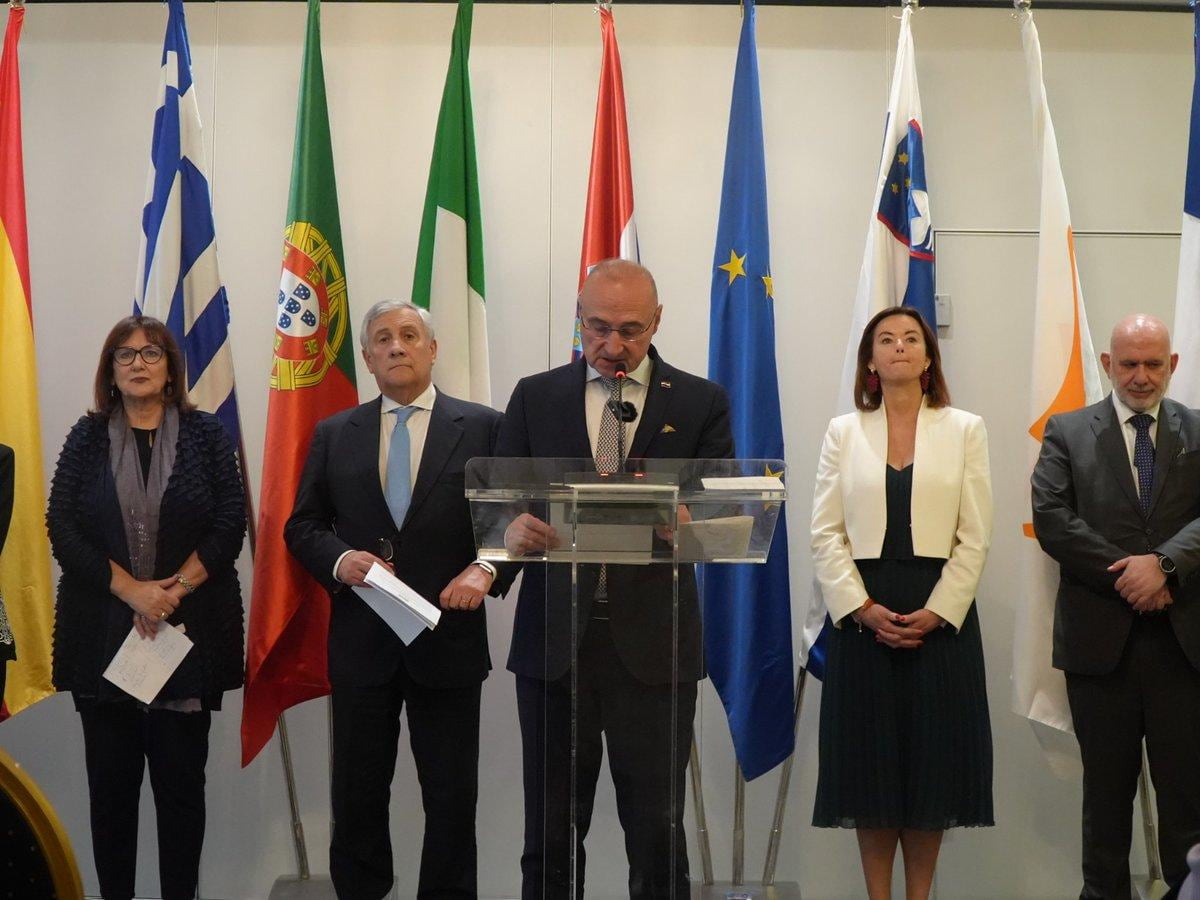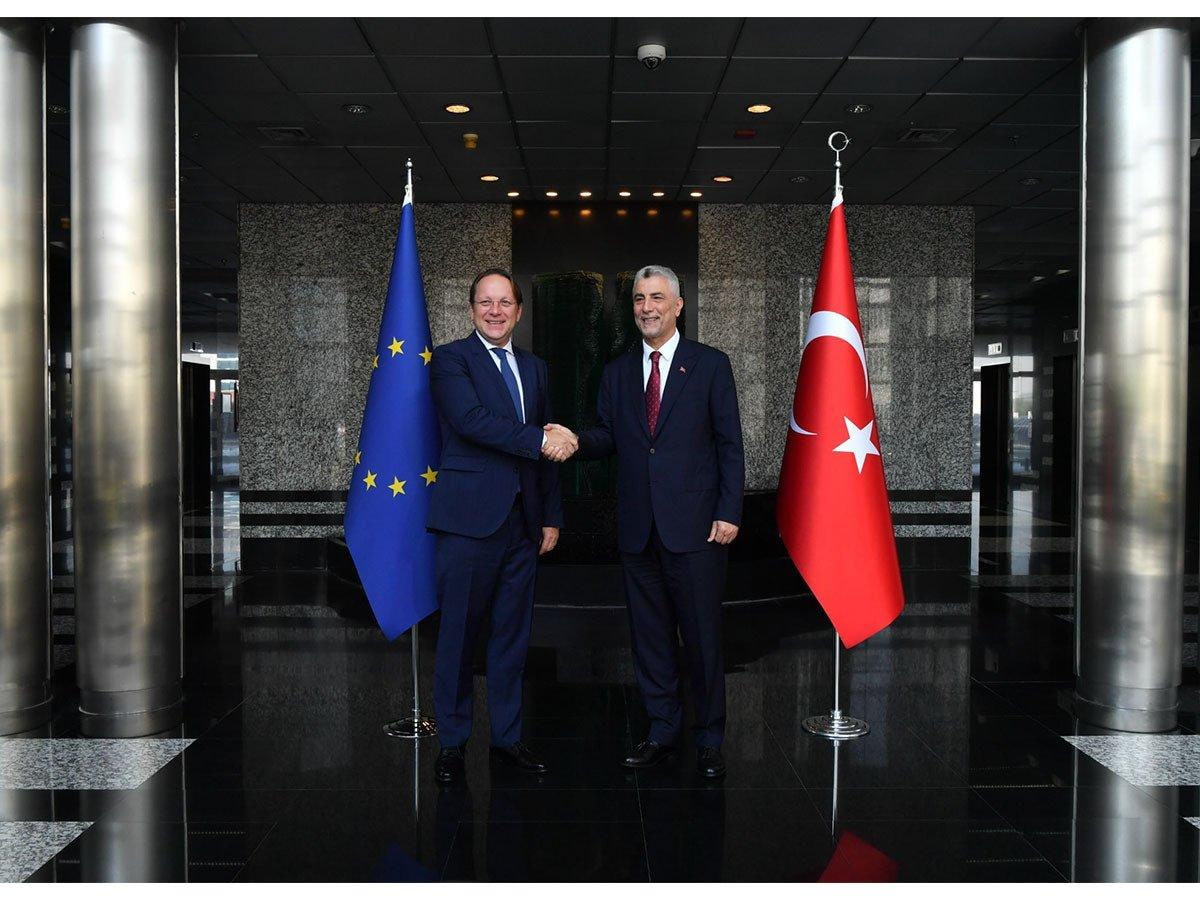
Ankara: The EU-Türkiye economic dialogue returned to the Turkish capital on 3 and 4 July 2026, and its agenda shows how far the relationship has moved from pure accession politics toward hard economic interests. Commissioner Valdis Dombrovskis and Finance and Treasury Minister Mehmet Şimşek led the high-level session, followed by a business gathering and a roundtable.
This was the second EU-Türkiye economic dialogue since the format resumed in 2024. Representatives of the European Investment Bank, the European Bank for Reconstruction and Development and the Council of Europe Development Bank joined the talks, which gave the meeting a financing dimension that purely diplomatic encounters lack.
Three themes dominated. The first was the effect of recent geopolitical developments on the global, European and Turkish economies. The second was economic security, a term that has moved from the margins to the centre of EU external policy over the past few years. The third was how to deepen bilateral economic and investment cooperation, including the role international financial institutions can play inside Türkiye.
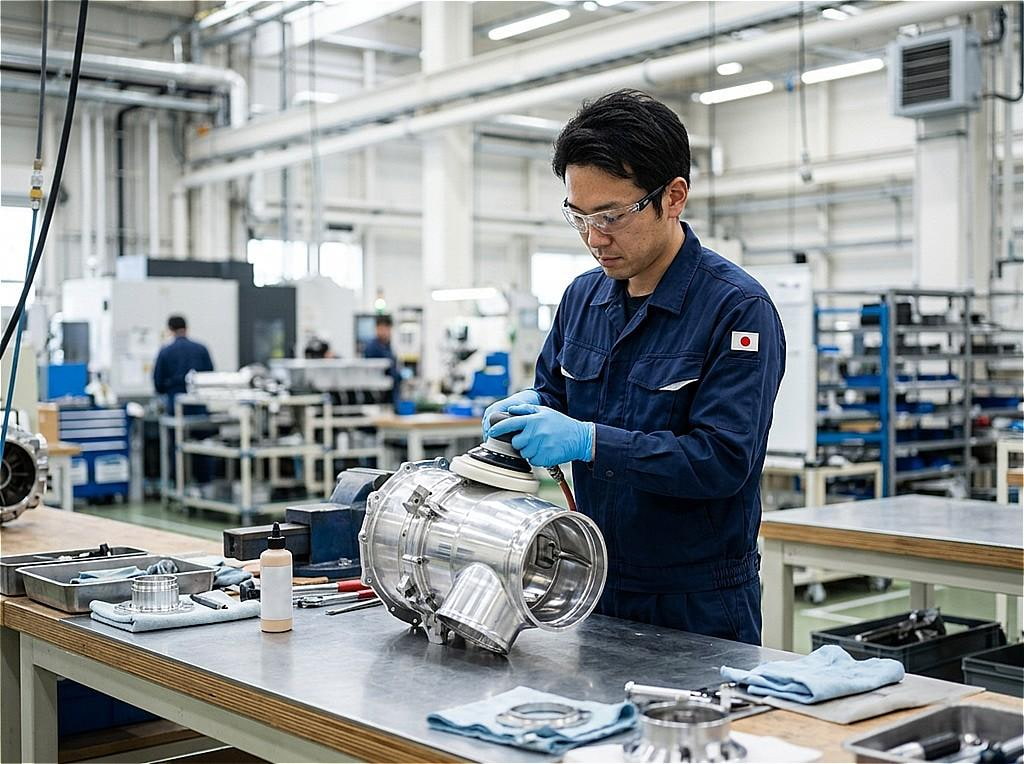
Placing economic security on the table matters. For the EU, it covers supply chain resilience, dependence on single suppliers and the protection of critical technologies, and Türkiye is both a major trading partner and a manufacturing base closely tied to European value chains. A shared language on these questions could shape how both sides approach sourcing, investment screening and industrial cooperation.
The setting also reflects a broader pattern. The two sides have stepped up high-level contacts and widened their negotiating agenda to include trade, energy, migration and security, as geopolitical uncertainty pushes Brussels to look for dependable neighbours. The EU-Türkiye economic dialogue is one of the few channels in which both capitals discuss economics without the political disputes that dominate other forums.
That does not make the road easy. Türkiye’s customs union with the EU, in place since the 1990s, remains in need of modernisation by common assessment, and investors on both sides want predictable rules. Business representatives at the EU-Türkiye economic dialogue roundtable were there to say precisely that, and their presence suggests that firms, not only governments, are pressing for a more ambitious framework.
The involvement of the development banks points to what the EU-Türkiye economic dialogue could deliver next. Financing for infrastructure, energy networks and private-sector growth can be tied to reform commitments, a model the EU already uses elsewhere. If it were applied in Türkiye, it would give both sides a practical incentive to turn dialogue into projects.
The test for the EU-Türkiye economic dialogue will be follow-through. Meetings produce language, but supply chains and investment decisions respond to rules, financing and timelines. If the next round in 2027 can show concrete steps on economic security and investment, the dialogue will have proved its worth as more than a diplomatic courtesy.