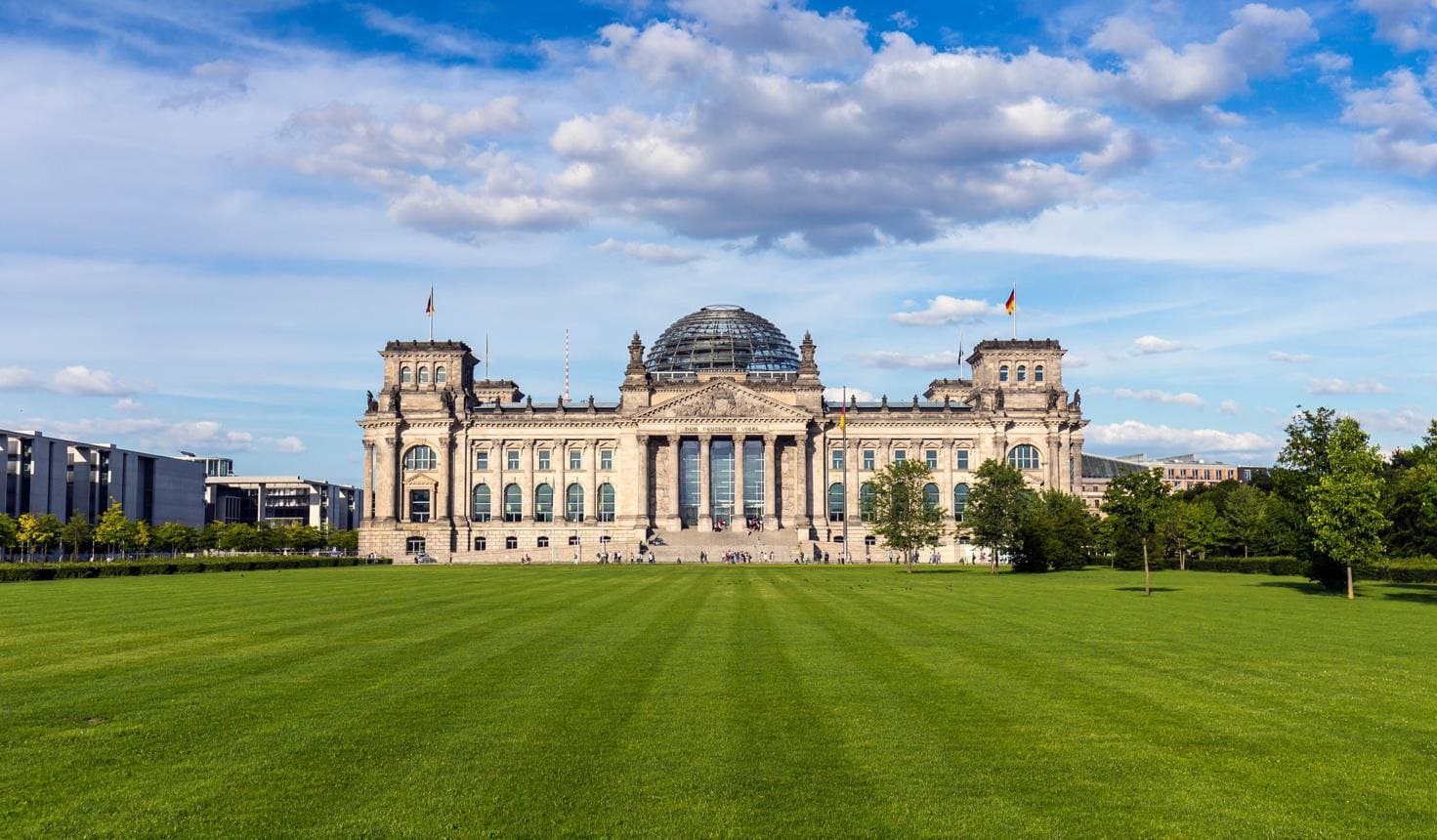
Berlin: The Mercosur trade deal reached the German Bundestag on 7 October 2026, when lawmakers held a 30-minute first reading of the government bill that would ratify the EU partnership agreement with Argentina, Brazil, Paraguay and Uruguay. Foreign Minister Johann Wadephul spoke for the government, and the bill (Drucksache 21/8240) went to committee without a vote, with the Foreign Affairs Committee in the lead.
The draft law promises that more than 91 percent of EU exports to the Mercosur bloc become duty-free within 15 years. It would also replace the interim trade agreement once the full partnership agreement enters into force. For Berlin, that structure matters because German carmakers and machinery exporters stand to gain most from the tariff cuts, which in the car sector reach as high as 35 percent today.
The German debate is only one thread in a long process. The Council approved both agreement texts on 9 January 2026 by 21 votes to 5, with Austria, France, Hungary, Ireland and Poland opposed and Belgium abstaining. Leaders signed the package in Paraguay on 17 January, and Argentina, Uruguay and Brazil have since ratified their side.
The European Parliament then complicated the picture. On 21 January it voted 334 to 324 to ask the Court of Justice for an opinion on the split into two instruments, the rebalancing clause and the legal basis. That referral freezes Parliament’s consent procedure, and court opinions of this kind often take 18 to 24 months, so the Mercosur trade deal will not receive a final parliamentary verdict soon.
Trade nevertheless flows under the interim agreement that sits inside the Mercosur trade deal, which the Commission has applied provisionally since 1 May 2026 after the Court declined to suspend it at Poland’s request. The Commission projects that EU exports to Mercosur could rise by 39 percent, or €48.7 billion, while Mercosur exports to the EU grow by about 17 percent. Those figures give exporters a reason to use the quotas now rather than wait for the court.
The rebalancing clause deserves more attention than it receives in the Mercosur trade deal. It lets Mercosur governments seek compensation if future EU environmental, health or climate rules substantially impair the trade gains they expected. Critics in Paris and Dublin read that as a brake on European regulation, while supporters in Berlin treat it as a narrow dispute-settlement safeguard. The committee hearings in the Bundestag will have to settle which reading German lawmakers accept.
Germany’s choice carries weight beyond its borders. A clear Bundestag majority would show sceptical capitals that the largest economy stands behind the Mercosur trade deal despite farm-sector anger, and it would strengthen the Commission’s hand in Strasbourg. A drawn-out committee fight, on the other hand, would feed the argument that ratification can wait for the Luxembourg judges.
My assessment is that the interim arrangement has already done the hard political work, and the Bundestag vote is now a test of confidence rather than of substance. Berlin should schedule committee hearings quickly, publish the farm safeguard data and press the Commission to explain how it will monitor the rebalancing clause. If it does, the Mercosur trade deal can move from provisional trade flows to a settled partnership without waiting two years for the court.