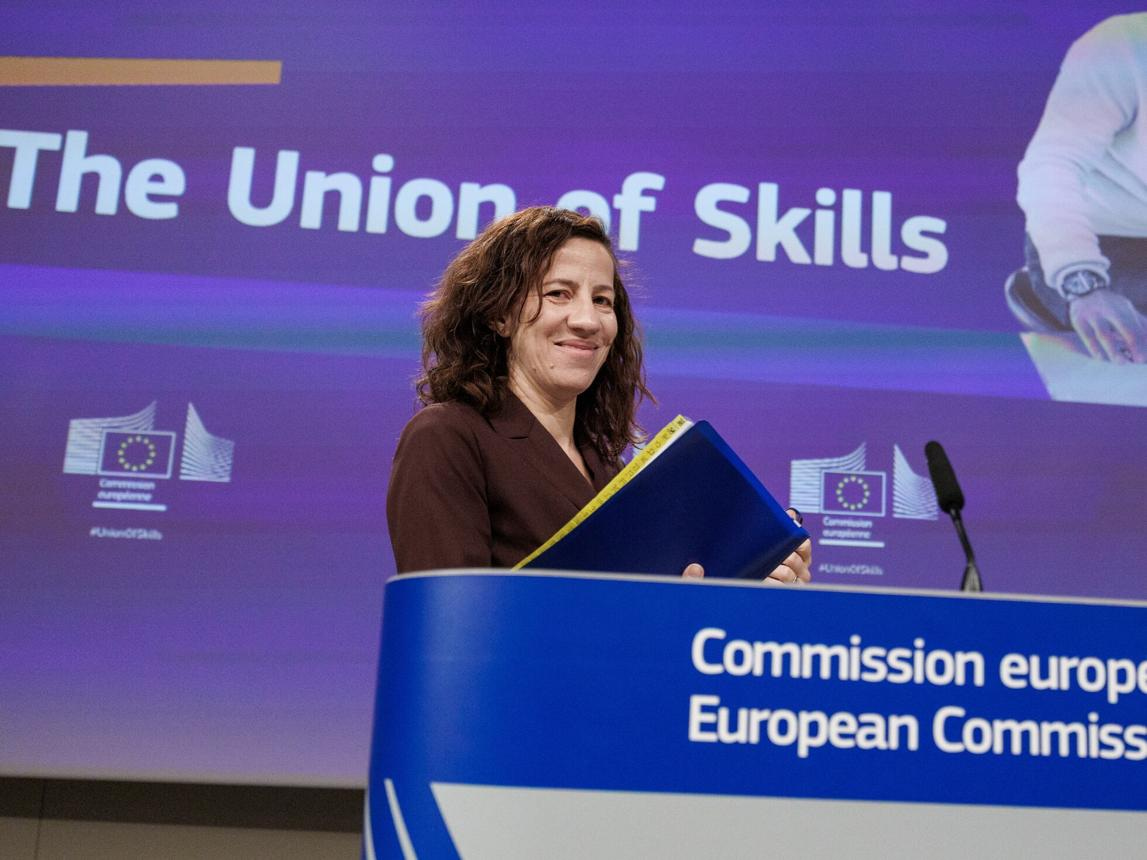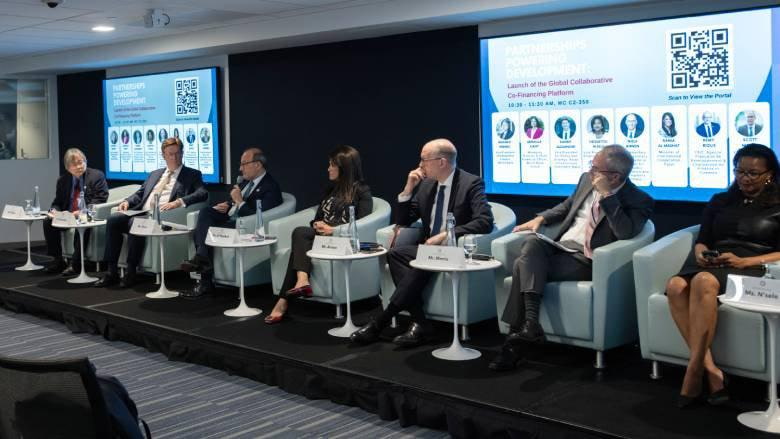
Brussels: Commissioner Hadja Lahbib co-hosts the InvestFrontier launch on 6 November 2026, an event that seeks to bring private capital into humanitarian aid while public budgets struggle to keep pace with need. She shares the platform with Sheba Crocker, Managing Director of the World Economic Forum, and the Commission livestreams the session on Europe by Satellite.
The scale of demand explains the timing. The Commission estimates that 239 million people worldwide need humanitarian assistance in 2026. Lahbib argues that aid “cannot, on its own, break the cycle of prolonged crises”, and she wants financial institutions and companies to share part of the burden alongside traditional donors.
The InvestFrontier launch delivers a pledge from the EU’s recent Joint Communication on Humanitarian Action. That document calls for closer cooperation with the private sector and with financial institutions. The Commission now turns that wording into a concrete meeting point for aid agencies, investors and public lenders.
Senior figures from outside the Commission give the event weight. Tom Fletcher, the UN Emergency Relief Coordinator, and Anna Bjerde, Managing Director of the World Bank, join the programme. Dr Abdullah Al Rabeeah of the King Salman Humanitarian Aid and Relief Centre and Kirsty McNeill, the UK Minister for International Development and Africa, complete the named speakers. Their presence shows that European institutions, Gulf funders, multilateral banks and the UK all want a say in how blended money reaches crises.
The approach raises hard questions that the InvestFrontier launch cannot answer by itself. Humanitarian needs often arise in places where investors see little return, and neutral aid principles sit uneasily with profit motives. Aid groups will watch whether private money arrives as additional funding or simply replaces grants. The Commission’s announcement lists no financing target, so early statements read as intent rather than a budget.
Context helps here. Humanitarian appeals have grown faster than donor pledges in recent years, and aid agencies increasingly look beyond grants for guarantees, blended instruments and risk-sharing tools. The Commission wants to test whether such tools can work in crises where need is acute and returns are uncertain. The InvestFrontier launch gives that experiment a public platform, and it gives investors a direct line to the people who run operations on the ground.
Readers can follow the details on the Commission’s civil protection and humanitarian aid website. The next test comes when partners announce their first transactions. For the InvestFrontier launch to matter beyond 2026, the Commission, the World Economic Forum and their partners must show which crises receive money first and how quickly it flows.