Lund: RSV newborn immunisation could prevent 61 percent of RSV-related hospitalisations among infants in the first two months of life, according to a new modelling report from the European Centre for Disease Prevention and Control. The agency published the multi-model assessment on 28 October 2026, just as the cold season approaches. It calls on countries to make sure newborns are protected before the respiratory virus season begins, and it presents RSV newborn immunisation as the most direct way to relieve pressure on children’s wards.
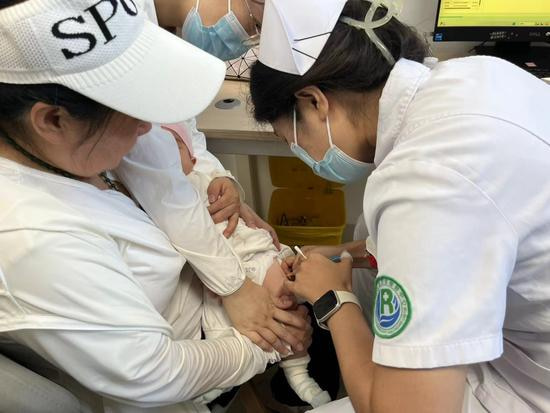
The report compares two ways of protecting babies. One option vaccinates expectant mothers during pregnancy, while the other gives infants long-acting monoclonal antibodies directly at birth. The models assume that 90 percent of newborns receive the antibodies, and under that scenario they project the 61 percent reduction in hospitalisations during the first two months.
Universal maternal vaccination also helps, but by a smaller margin. ECDC estimates that it would cut RSV hospitalisation among infants in the first two months by 52 percent. The nine-point gap shows why the choice of strategy matters for health ministries that must decide how to spend limited immunisation budgets.
ECDC argues that RSV newborn immunisation can reduce hospitalisation for respiratory infections in young children by more than half. Bruno Ciancio, the agency’s head of unit, made that point in announcing the findings. RSV, influenza and other respiratory infections put young children at risk of serious illness each autumn and winter, and they add pressure on paediatric wards and wider health systems.
The assessment is a modelling exercise, not a trial, so national results will depend on uptake, timing and the product each country chooses. Any plan for RSV newborn immunisation must also cope with uptake, since a protective product only works when families accept it. Health authorities that already run maternal or infant programmes can use the figures to check their targets. Others can use them to justify new purchasing decisions before the peak of the season, when admissions of very young children usually rise and hospital beds become scarce.
Timing is the main practical lesson of the report on RSV newborn immunisation. Newborns need protection in place before RSV circulates widely, which gives governments only a short window to organise supply, train staff and inform parents. Maternal vaccination must happen during pregnancy, while antibody doses must reach babies soon after birth.
For parents and clinicians, the message is straightforward. RSV newborn immunisation offers a way to keep the youngest infants out of hospital, and the ECDC report gives national planners numbers to guide their choices this winter. The agency expects countries to weigh both options against their own health system capacity and to act early.