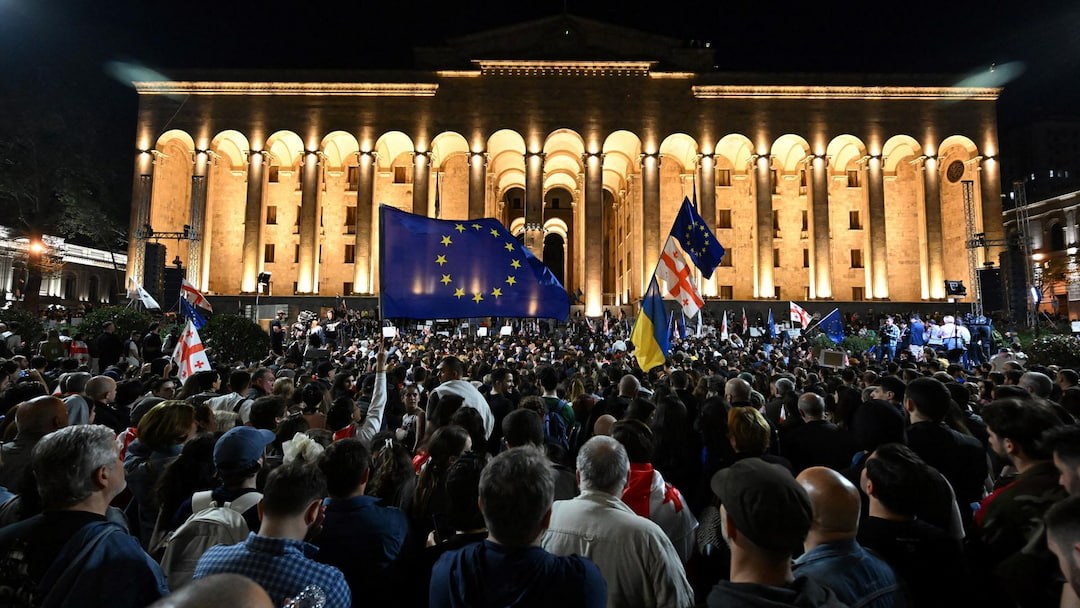
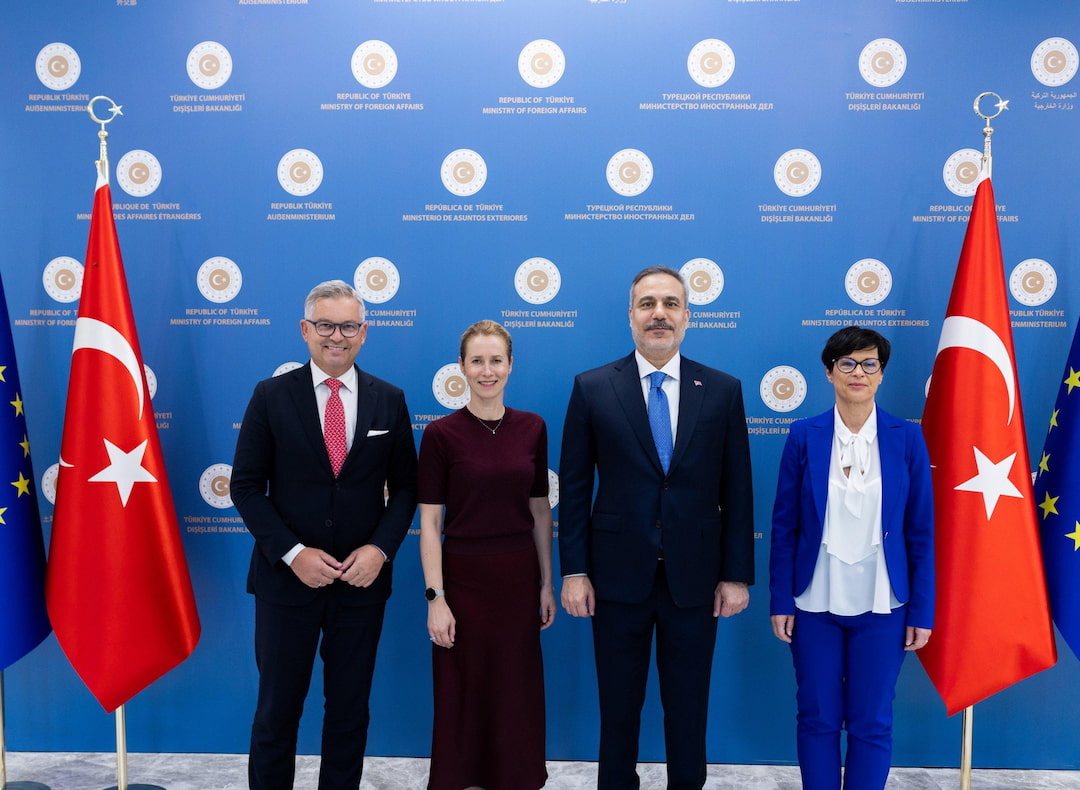
Brussels: Georgia democratic backsliding is now the subject of a dedicated debate among EU foreign ministers, who will hold a deep dive on new measures in January 2027. High Representative Kaja Kallas announced the plan on 4 November 2026 while presenting the Commission’s annual progress reports on candidate countries.
Kallas said the Georgian government is on a collision course with the Union and that recent steps are not going in the right direction. The Commission’s reports point to further restrictions on civic space and a deteriorating fundamental rights situation. Asked whether she would propose new sanctions, Kallas said it was too early to say, because the January meeting is meant to reconcile different views among member states.
The cautious wording on Georgia democratic backsliding reflects a hard institutional fact. Sanctions on individuals need unanimity, and in 2024 the EU’s diplomatic service proposed listings of officials responsible for violently repressing peaceful protests, only to see Hungary and Slovakia block them. Budapest has since changed government and shifted its stance on Russia sanctions, which may reopen a door that was shut for two years.
Brussels has already used the tool that needs only a qualified majority. It suspended visa-free travel for holders of Georgian diplomatic passports, a measure that took effect in March 2026 for one year and can be extended by up to two more. The Commission must adopt the secondary legal act by 6 January 2027, which means the legal calendar and the political deep dive will land within days of each other.
Tbilisi shows little sign of changing course on Georgia democratic backsliding. Prime Minister Irakli Kobakhidze told the Euronews Enlargement Summit on 3 November that he remains very committed to the accession path, but he offered no plan to thaw relations. Georgia announced in November 2024 that it would not seek to open accession negotiations before the end of 2028, after a Commission report documented serious backsliding.
Kallas framed the balance the ministers must strike on Georgia democratic backsliding. The response should show support for the Georgian people and their European aspirations while telling the government that the Union does not back its policies. That distinction matters, because broad measures such as suspending visa-free travel for all citizens would punish the public that polls show favours membership.
The January discussion therefore carries more weight than a routine exchange of views. If ministers agree targeted listings or further limits on official contacts, Georgia democratic backsliding will have produced the first concrete EU price for the ruling team in Tbilisi. If they fail again, the Commission’s next report will describe the same drift, and Kallas’s remark that everything is on the table will sound like a statement without consequences. Brussels has two months to turn the phrase into a plan.