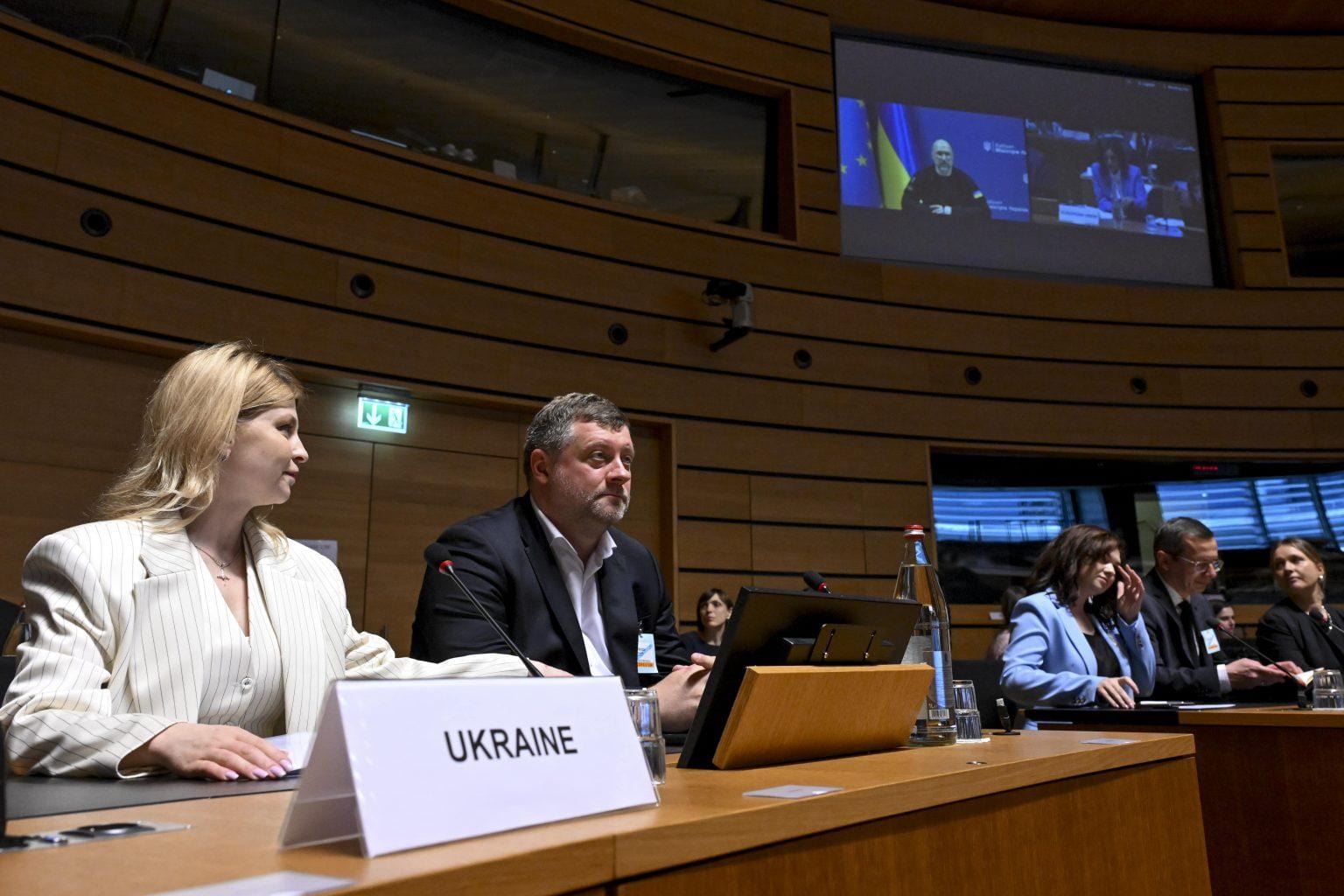
Kyiv: The EU Civil Protection Mechanism moved to the centre of Ukraine’s emergency talks with Brussels on 9 November 2026, as Commission and Ukrainian teams met to set priority needs after Russian attacks on critical infrastructure. The meeting covers the needs of Ukrainian cities and communities, known as hromadas, and the urgent help the European Union can send.
Commission Chief Spokesperson Paula Pinho confirmed the talks. “Today, this afternoon, the two teams on our side and on Ukrainian side are meeting,” she said. She added that “we will not let Russia freeze Ukraine into submission.”
The meeting follows a conversation between Commission President Ursula von der Leyen and Ukrainian President Volodymyr Zelenskyy about the crisis in Ukraine’s energy sector. Zelenskyy said earlier on 9 November that they agreed the EU would apply a “special emergency response mechanism.” The Commission has not yet published figures for any EU Civil Protection Mechanism package, and further details are due after the consultations.
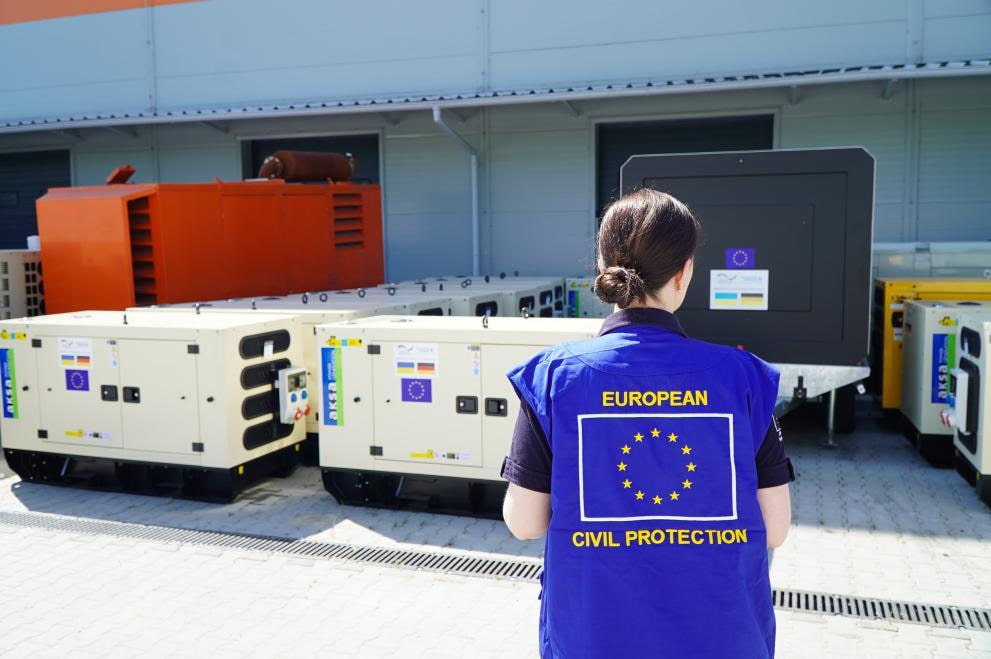
The EU Civil Protection Mechanism works on request. A country hit by a disaster asks for help, and the Emergency Response Coordination Centre in Brussels matches that request with offers of equipment and expertise from participating states. Ukraine has relied on the mechanism since Russia’s full-scale invasion in February 2022.
The talks on 9 November aim to make that matching more precise. Attacks on power and heating networks create needs that differ from city to city, from generators and shelters to medical supplies. Setting priorities with Ukrainian officials lets the Commission direct offers to the places that need them first. It also gives member states a clear list to work from when they decide what to send through the EU Civil Protection Mechanism, instead of guessing which items matter most for cities facing outages.
National governments are moving in parallel. According to European Pravda, Slovakia plans to provide €1 million for generators, shelters and medical equipment, announced on 5 November. The Netherlands will allocate €1.2 billion in non-military aid over three years, announced on 28 October.
Those pledges show how the pieces fit together. Bilateral gifts arrive from capitals, while the EU Civil Protection Mechanism gives member states a common channel so that offers do not overlap or leave gaps. The Commission coordinates, and the contributing countries supply the goods. Neither Pinho nor the Ukrainian side has yet said how large the new deliveries will be, or when the first shipments will leave, so the next announcements will show whether the political promise turns into trucks and equipment on the ground.
Pinho’s message set the tone for the next stage. Brussels wants to show that it can respond quickly to attacks on infrastructure, and the EU Civil Protection Mechanism is the main tool it has for that. The outcome of the 9 November consultations will show how fast and how large the response becomes.