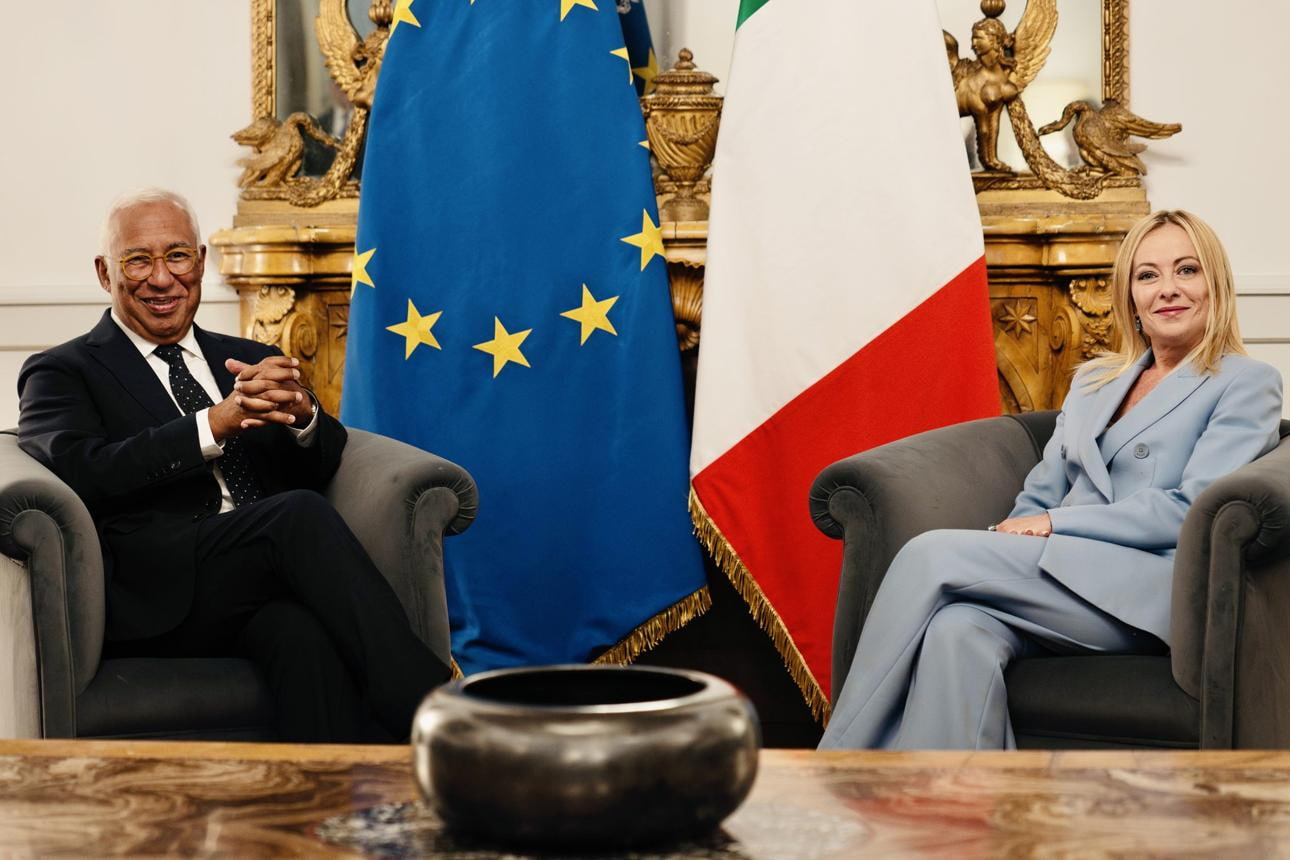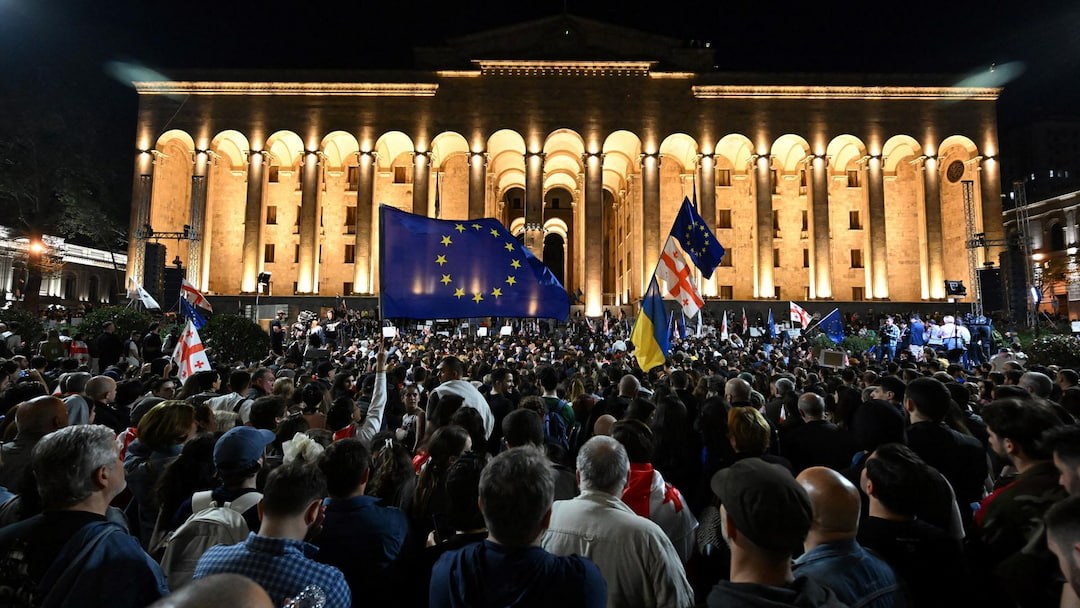
Tbilisi: The Georgia visa-free regime has turned from a quiet privilege into an open bargaining chip after High Representative Kaja Kallas said on 5 November 2026 that the European Union may revoke it. Kallas argued that Georgia’s authorities have moved away from democratic principles, and she said foreign ministers will discuss next steps on Georgia in January.
The warning follows a Commission assessment that found Georgian authorities have not eased concerns about democracy and fundamental rights. Those concerns already led the Union to suspend visa-free travel for Georgians who hold diplomatic, service or official passports. The same assessment describes the country’s accession process as effectively stalled, with candidate status surviving only in a formal sense.
That sequence matters because it shows how Brussels escalates. The first step hit officials and state representatives, the group most closely tied to government decisions. The second step, which Kallas now openly discusses, would reach ordinary citizens who travel to the Schengen area for work, study and family visits. The Georgia visa-free regime is the most tangible benefit that most Georgians have received from their European path, so any move against it carries a political price on both sides. Diplomats in Brussels know that the Georgia visa-free regime shapes public opinion more than any strategy paper.
The case for pressure is straightforward. The Union granted visa-free travel on the expectation that partners keep reforming, and it wrote suspension tools into its rules precisely for moments when a partner backslides. If Brussels never used those tools, they would lose credibility with other neighbours. A January decision on the Georgia visa-free regime would also give Tbilisi roughly two months to change course, which is a clear signal that the door is not yet shut.
The case for caution is just as strong. Revoking the Georgia visa-free regime would punish citizens who often show the strongest support for European integration, and it could hand the authorities a ready-made story about foreign interference. Critics of the government would face a harder argument if travel restrictions became the headline. Brussels therefore has to explain that it targets the choices of the authorities, not the aspirations of the public.
The public record leaves several questions open. The reporting does not give a legal timeline for revocation, it does not list conditions for keeping the regime, and it names no figures. Member states will also need to agree, and they rarely move in unison on enlargement and neighbourhood files. The January ministerial meeting will therefore show how much unity the Council can muster behind Kallas.
For Georgia, the practical lesson is that EU patience now has a visible limit in 2026. Candidate status brings no automatic protection when reforms stall, and the visa question gives the Union a lever that is easy to understand and hard to ignore. Watch the January discussion closely, because the Georgia visa-free regime will become the test of whether Brussels links its benefits to democratic conduct in practice rather than only in speeches.