Brussels: The joint defence projects that EU governments cleared on 28 September 2026 give the Union its first shared list of military priorities, and they now qualify for money from the European Defence Industry Programme. The Council of the EU approved five projects of common interest, ranging from drones to missile warning. The decision turns a long policy debate into a funding queue.
The Commission launched a call for expressions of interest on 16 February 2026 and received nine proposals from member states. On 3 July it narrowed the field to five, after hearing the High Representative and the European Defence Agency. Ministers then confirmed that shortlist in September, as the Commission’s own announcement shows.
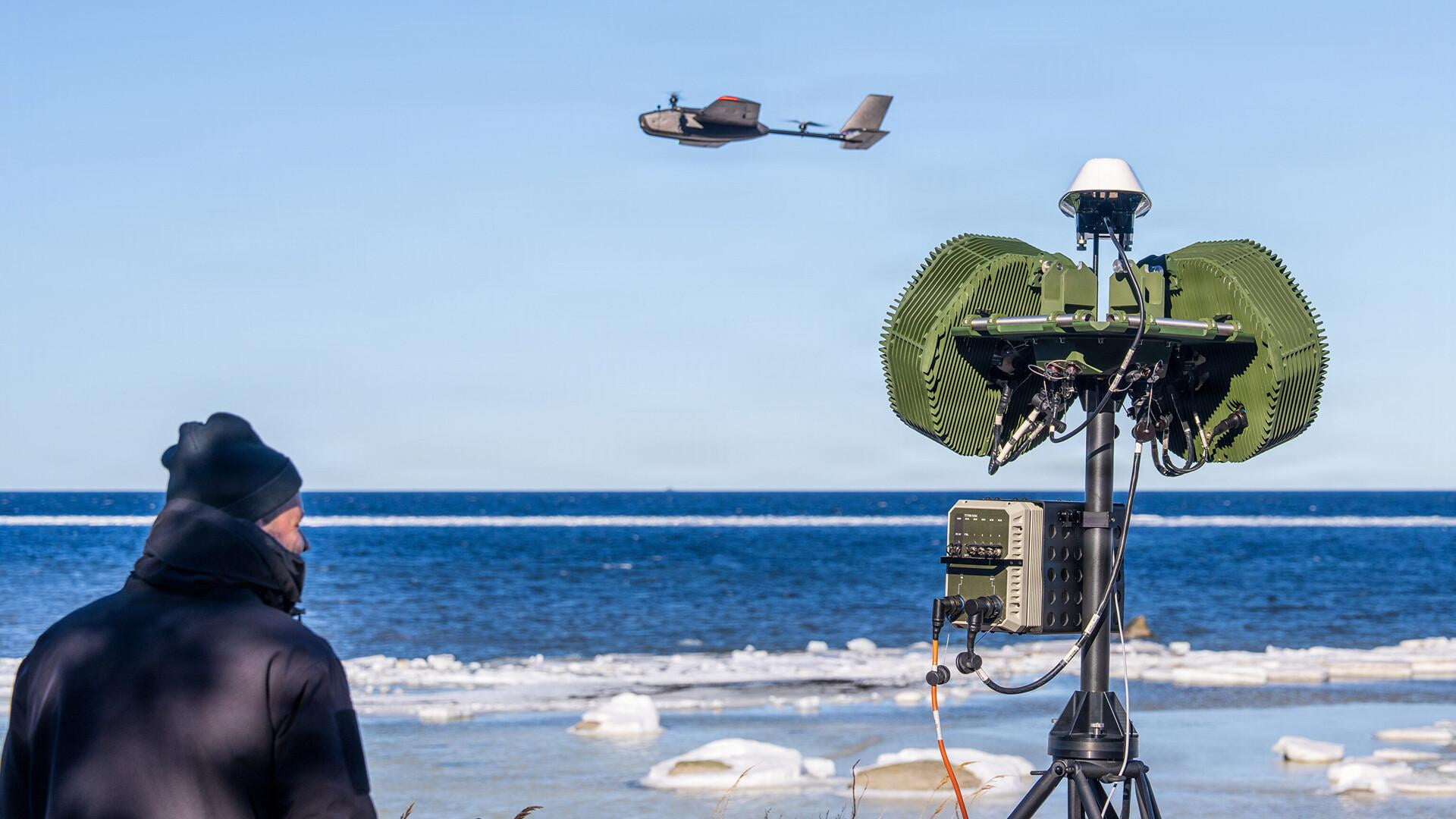
The five joint defence projects cover Drone and Counter-Drone European Resolve, Integrated Maritime and Seabed Defence, a space package, EU Federated Integrated Air and Missile Defence, and Eastern Flank Watch. The space package bundles early-warning satellites, secure communications, reconnaissance and precise positioning. Eastern Flank Watch targets security along the eastern border across land, air, sea and cyber domains.
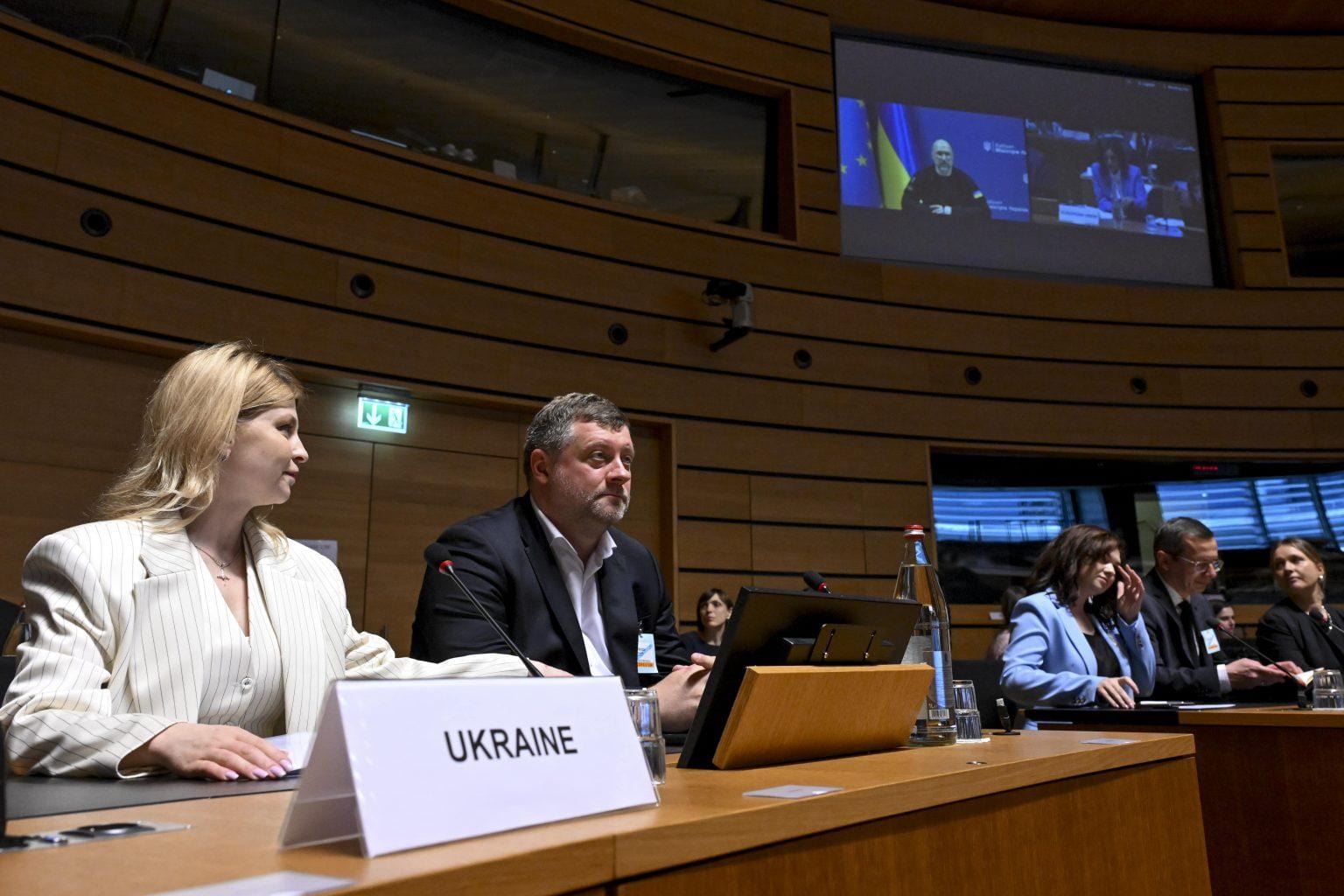
According to EUbusiness, an average of 18 member states take part in each project, and Ukraine joins four of the five. That breadth matters because these projects are too large or complex for one country to build alone. The Commission is expected to help coordinate delivery, provide financial support and track progress against agreed milestones.
Funding follows two steps. The projects can now draw on the European Defence Industry Programme adopted in 2025, which pays for their initial deployment. Eunews reports that the list also lays the groundwork for further money from the future European Competitiveness Fund. Neither source gives a euro figure for the first tranche, so the real test of the joint defence projects will be how much cash follows the label.
The political signal from the joint defence projects is clear even without a budget line. Governments have agreed where Europe’s capability gaps sit, and they have chosen air defence, drones, seabed security and space as the places to pool effort. Industry now has a target for investment in 2027 under the joint defence projects, and Brussels has a tool to steer national procurement toward common standards.
The next questions are practical. The Commission must turn the Council decision into funding calls, and member states must agree on lead nations and delivery dates. How quickly those steps happen will decide whether the joint defence projects become fielded equipment or another list of good intentions in 2026 and beyond.