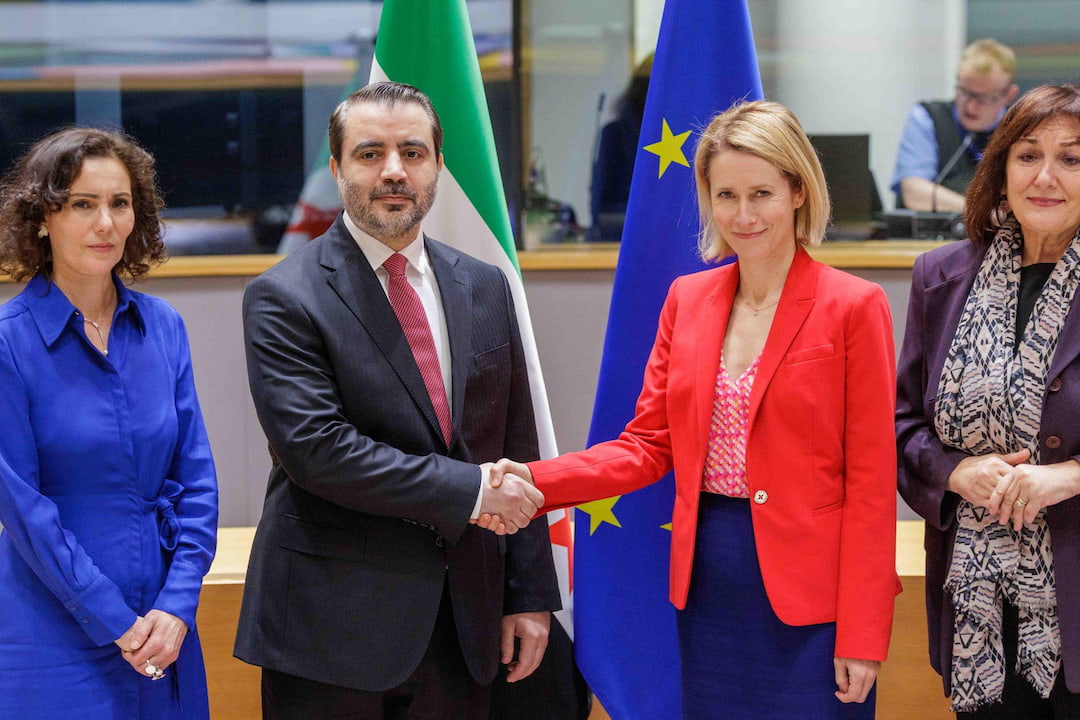
Brussels: EU UK defence cooperation should come before any debate on Britain rejoining the Union, High Representative Kaja Kallas said on 2 November 2026. She spoke before meeting the UK Defence Secretary, Wes Streeting, who also saw EU Defence Commissioner Andrius Kubilius and was due in Berlin to meet German Defence Minister Boris Pistorius.
Kallas told reporters that some people in Brussels remain traumatised by the bitter Brexit negotiations and that relations should develop step by step. She said the UK should prioritise joining existing EU defence frameworks in the short term. In her words, the negotiations will be difficult and the two sides are not there yet, even though she wants a deeper relationship.
The timing is deliberate, because an EU-UK summit is set for 20 November 2026. Both governments want more EU UK defence cooperation but disagree on the route. London has signalled interest in closer ties across trade, education, energy and defence, and Streeting praised Prime Minister Andy Burnham for his decision to reopen the wider discussion, according to Euronews.
The sharpest obstacle to EU UK defence cooperation is money. The UK opted out of the EU’s 150 billion euro SAFE defence loan scheme last year after talks failed on an estimated entry fee of 4 to 6 billion euros, which UK sources said did not represent value for money. That episode shows that cooperation on paper can still stall when the price of participation is unclear.
Streeting offered his own warning on EU UK defence cooperation. He said leaving the EU hit the British economy and cautioned against getting ahead of the debate on a possible return, while arguing that the Made in Europe push must not become self-defeating protectionism. The UK sits outside that initiative because it is not in the single market, which makes procurement rules a quiet test of how open EU defence spending will be.
The talks on EU UK defence cooperation also covered Russian aggression across Europe, including hybrid attacks, the growing military support for Ukraine and the need to expand defence industrial capacity. These shared threats give both capitals a reason to move quickly on practical steps, such as participation in joint projects and industrial supply chains, rather than wait for a constitutional settlement.
For the summit on 20 November, the sensible target is therefore modest but concrete. A clear route into EU defence programmes, with a fee both sides can defend, would turn EU UK defence cooperation from a slogan into a working arrangement. The membership question can wait, and Kallas has made clear that Brussels would rather build trust through projects than through promises.