November 13, 2026
LATEST
Education and Skills Package Puts AI Literacy in SchoolsRail Ticket Sellers Face Split on Digital Booking RegulationSatellite Firms Await EU Space Act Vote After Cyber DealEU-Israel Association Agreement Petition Puts Brussels on a DeadlineClimate Health Risks Expose Uneven Readiness Across EU Member StatesAgri-Food Promotion Policy Wins 476 MEP Votes Against 2027 Funding CutPlatform Counts Face EU Court Test Over DSA Supervisory FeeGoogle AdSense Fine Should Return, EU Court Adviser ArguesCar CO2 Targets Soften as MEPs Back a 95 percent Cut for 2035COP31 Climate Talks in Antalya Test the EU Electrification PitchPayment Fraud Rules Near the Finish Line as MEPs Face the Final VoteVietnam Trade Policy Review Shows EU Pressing Hanoi on Rule ClarityDamascus Forum Puts the EU Syria Partnership on an Investment FootingChornobyl New Safe Confinement Repairs Draw €303 Million PledgesRoam Like at Home Talks Open With Six Western Balkan PartnersNorth Korea Human Rights Text From the EU Gains Seoul as Co-SponsorG7 Foreign Ministers Bind Europe’s Naval Missions to a Wider AgendaSingle Platform Copyright Licence Covers Uploads, Court SaysPlahotniuc Sanctions Annulment Stands After EU Court VerdictWarsaw Hosts EU-Ukraine Investment Conference as Kos Pushes ReformsEducation and Skills Package Puts AI Literacy in SchoolsRail Ticket Sellers Face Split on Digital Booking RegulationSatellite Firms Await EU Space Act Vote After Cyber DealEU-Israel Association Agreement Petition Puts Brussels on a DeadlineClimate Health Risks Expose Uneven Readiness Across EU Member StatesAgri-Food Promotion Policy Wins 476 MEP Votes Against 2027 Funding CutPlatform Counts Face EU Court Test Over DSA Supervisory FeeGoogle AdSense Fine Should Return, EU Court Adviser ArguesCar CO2 Targets Soften as MEPs Back a 95 percent Cut for 2035COP31 Climate Talks in Antalya Test the EU Electrification PitchPayment Fraud Rules Near the Finish Line as MEPs Face the Final VoteVietnam Trade Policy Review Shows EU Pressing Hanoi on Rule ClarityDamascus Forum Puts the EU Syria Partnership on an Investment FootingChornobyl New Safe Confinement Repairs Draw €303 Million PledgesRoam Like at Home Talks Open With Six Western Balkan PartnersNorth Korea Human Rights Text From the EU Gains Seoul as Co-SponsorG7 Foreign Ministers Bind Europe’s Naval Missions to a Wider AgendaSingle Platform Copyright Licence Covers Uploads, Court SaysPlahotniuc Sanctions Annulment Stands After EU Court VerdictWarsaw Hosts EU-Ukraine Investment Conference as Kos Pushes Reforms

Russia Sanctions Enforcement Gaps Leave EU Trade Curbs Open to Bypass

Riga: Russia sanctions enforcement remains uneven across the European Union, the European Court of Auditors warned on 11 November 2026, even as trade between the bloc and Moscow has collapsed by more than three quarters since the full-scale invasion of Ukraine.

Special Report 30/2026 credits the Commission and national capitals with strong coordination. It also finds that the 21 sanctions packages adopted since February 2022 lose force when member states apply them in different ways. Mihails Kozlovs, the Latvian auditor who led the work, said the measures “will deliver their intended impact if all member states apply them in a uniform and coordinated way.”

The trade numbers show how far the restrictions have reached. EU goods trade with Russia fell from €253 billion in 2021 to €58 billion in 2025. The EU, once Moscow’s largest trading partner, slipped to third place and now accounts for roughly 10% of Russia’s goods trade. Estimates from July 2026 put the effect of export bans at €49 billion, or 56% of pre-war exports, and the effect on imports at about €110 billion.

Those headline figures hide weaknesses in Russia sanctions enforcement on the ground. The auditors found that direct exports of high-priority military goods have largely stopped, yet goods still reach Russia through third countries. Customs authorities use different terminology and read exemptions differently, which invites traders to go “forum shopping” for the most lenient border post.

The report also questions the Commission’s toolkit. Its guidance to national authorities carries no legal force, so each capital can decide how closely to follow it. The Commission has not set criteria to judge whether the regime works, and member states use the shared information systems unevenly. Without common benchmarks, the auditors argue, nobody can say with confidence which measures bite and which leak.

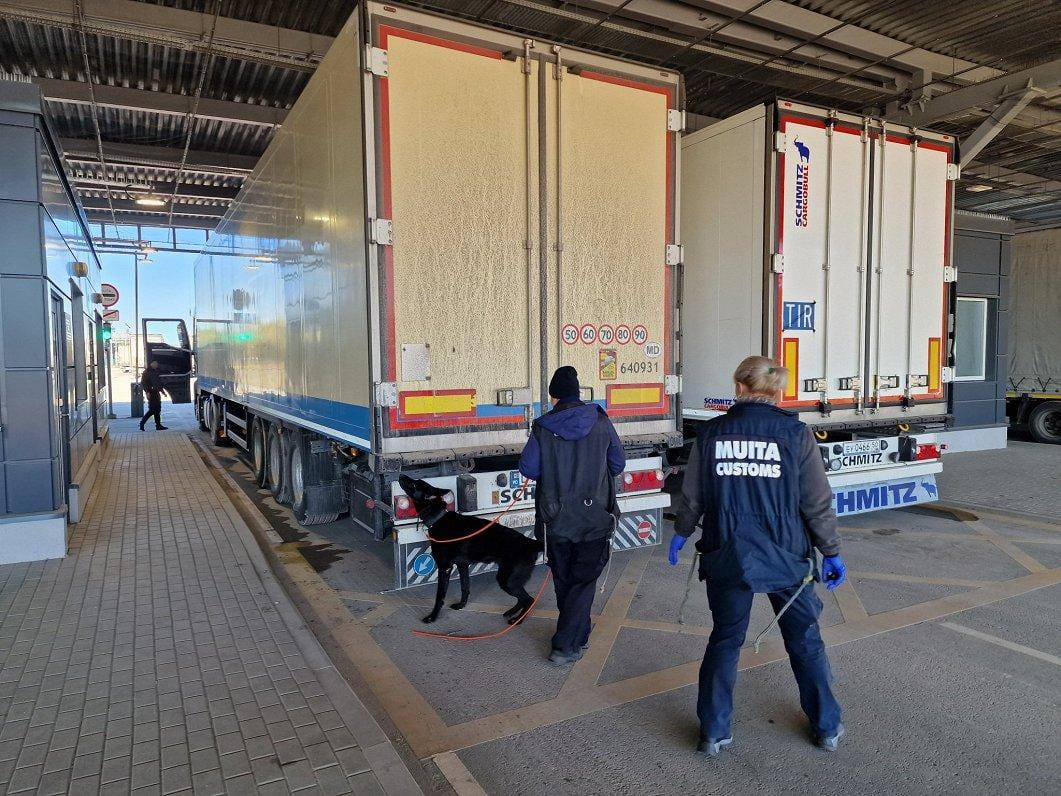
For frontline states such as Latvia, the findings carry particular weight. Baltic customs officers handle a large share of the land traffic that once flowed east, and they see daily attempts to disguise dual-use components as civilian goods. A loophole in one member state undermines the work of officers at every other external border.

The timing matters for economic security policy in 2026. The Commission has made sanctions circumvention a central concern of its economic security doctrine, alongside export controls and investment screening. Consistent Russia sanctions enforcement now looks like a test of whether the EU can turn that doctrine into practice at the customs counter.

Businesses also feel the effect of patchy Russia sanctions enforcement. Exporters in strict jurisdictions lose orders to competitors who route the same goods through more permissive ports, and compliance teams face 27 sets of interpretations. Industry groups have long asked for one rulebook, and the auditors now back that call with evidence. Stronger Russia sanctions enforcement would give honest traders a level field and leave fewer gaps for intermediaries in Central Asia, the Caucasus and Türkiye to exploit.

The auditors call for binding rules where guidance has failed, shared definitions for customs checks and a framework to measure impact. The Commission must now answer those recommendations. If Brussels and the capitals act on them, Russia sanctions enforcement could finally match the scale of the trade collapse that the restrictions have already produced.