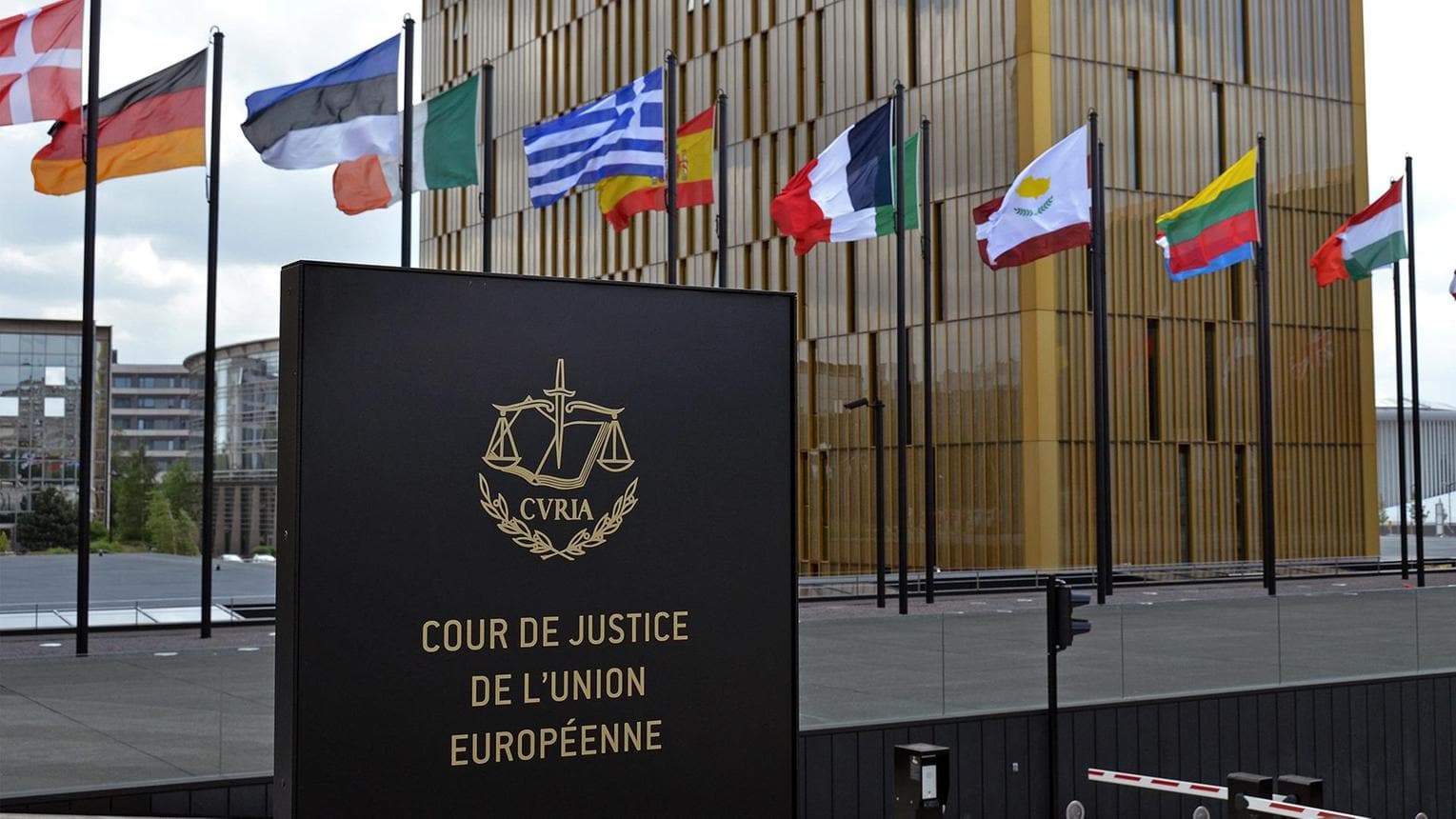
Karlsruhe: The Court of Justice of the European Union has widened the reach of the EU product liability conflict rule, holding that a product can be marketed not only where it is made but also where the injured party acquires it. The Sixth Chamber delivered the judgment in Eurovo, Case C-344/25, in the first week of November 2026 on a reference from the German Federal Court of Justice in Karlsruhe.
The dispute began with six Salmet battery cages for laying hens. Zimmerer, a German manufacturer, sold them to VerstOvo, a Dutch company that installs aviary systems. VerstOvo sold the systems to Italian leasing companies, which leased them to Eurovo, an Italian egg producer. The cages travelled directly from Ittlingen in Germany to the Eurovo site in Italy, where workers assembled them.
The systems soon developed technical problems. Eurovo claimed damages for spoiled eggs, extra staff costs, repairs, removal of droppings, lost production and lost leasing income. Courts in Ferrara declined jurisdiction, so the company sued in Germany.
The key question was which national law applies. Article 5 of the Rome II Regulation sets a cascade for product liability claims that turns partly on where the product was marketed. The German appeal court held that the cages were marketed in Germany, because the manufacturer made them available for collection in Ittlingen. German law therefore applied, and it gave Eurovo no claim. Eurovo argued that the cages were marketed in Italy, where it received and used them.
The Court sided with the broader reading. It said the place of marketing is not limited to the place of manufacture and also extends to the place where the person sustaining the damage acquires the product. The judges reasoned that a narrower reading would empty the foreseeability safeguard in Article 5, because a producer can always foresee its own marketing.
The Court also addressed product liability for goods built into larger systems. It held that marketing does not end when a processor takes over a product or incorporates it as a component into an intermediate or final product. That point matters for supply chains in which components cross several borders before they reach the user.
The ruling does not settle the case. The Court answered in general terms and left the Federal Court of Justice to apply the test to the facts. No Advocate General delivered an opinion, which surprised observers given the importance of the provision.
Commentators were critical. Geert Van Calster, a Leuven-based scholar of private international law, called the judgment a disappointing effort and argued that the Court defined marketing by its breadth without giving it a positive meaning. He warned that treating every place of acquisition as a place of marketing risks emptying the foreseeability clause, and he faulted the Court for borrowing concepts from the Product Liability Directive, which Rome II does not mention.
For consumers and businesses that buy machinery across borders, the judgment improves the chance that the law of their own country will govern a product liability claim. Manufacturers that sell through distributors and installers, in turn, should expect product liability exposure in more jurisdictions than the place where goods leave the factory.