Rzeszów: Negotiations on the EU military mobility regulation have stalled over how much power Brussels should hold in a crisis, with the next trilogue set for 9 December 2026. Parliament and Council negotiators still disagree on when an emergency regime can switch on and who checks convoys at internal borders.
The file sits at the heart of what officials call a “military Schengen.” The Commission tabled its package in 2025 after identifying about 500 bottlenecks on bridges, tunnels, rail lines and ports. Fixing them would cost roughly €100 billion, and the Commission proposed €17.5 billion for military mobility in the 2028-2034 budget, about ten times current funding.
Some progress has been made. Both sides accept that national authorities must decide on permits for military transport within five days in normal times, a longer deadline than the three days the Commission wanted. The 20 October trilogue also brought movement on how Ukraine and Moldova can take part in the system.
The hardest dispute concerns EMERS, the European Military Mobility Enhanced Response System. Under the proposal, the Council would decide within 48 hours whether to activate it. Once active, the system would give convoys priority, approve permits automatically and suspend driving-time and environmental rules. Parliament wants a clear trigger, while several capitals guard their own say.
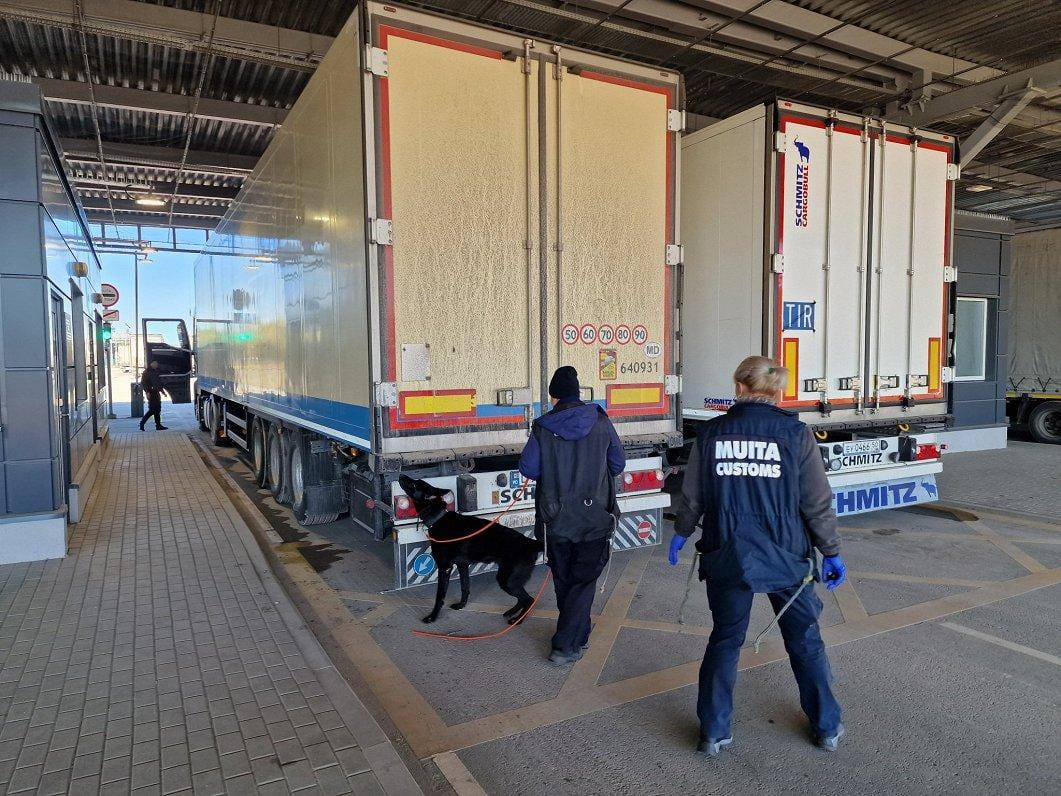
Border checks form the second fault line. Parliament’s negotiators, Latvian ECR member Roberts Zīle and Polish EPP member Michał Szczerba, want inspections only at the first planned stop after a convoy crosses a frontier. The Council refuses and insists that checks remain a national competence. The two sides also differ on a secure digital information system, which Parliament wants by 2027 and the Council by 2030.
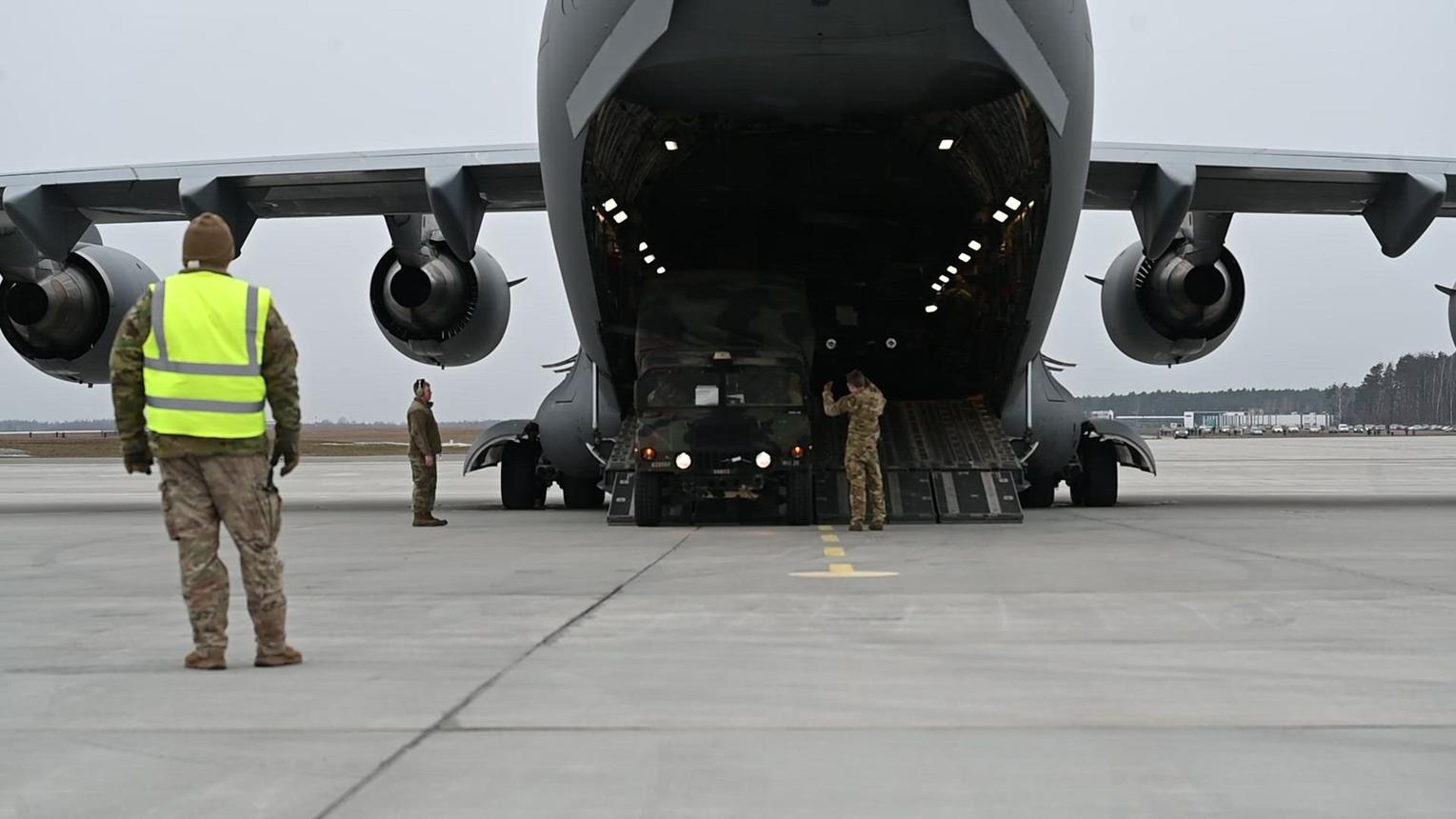
The stakes are visible in south-east Poland. Rzeszów and its airport have served as the main logistics gateway for Western support to Ukraine since 2022. Every hour lost to paperwork or a missing rail link on that corridor shows why planners treat military mobility as a deterrence question, not a transport footnote.
Money adds another layer of tension. Zīle has warned that the Irish Presidency’s budget negotiating box trims the Connecting Europe Facility by around 11%, which would also cut the envelope for dual-use transport projects. Defence ministers meet in the Foreign Affairs Council on 17 November, giving capitals a chance to signal flexibility.
Industry and rail operators follow the talks closely as well. Many of the upgrades that military mobility requires, such as stronger bridges, longer sidings and heavier axle loads, also help civilian freight. The Commission therefore presents the regulation as a dual-use investment that supports the single market while it speeds up military mobility in an emergency.
If negotiators close the gaps on 9 December, the EU could adopt its military mobility rules in 2027. If not, the bottlenecks that slow tanks and supplies across Europe will stay in place for another budget cycle.