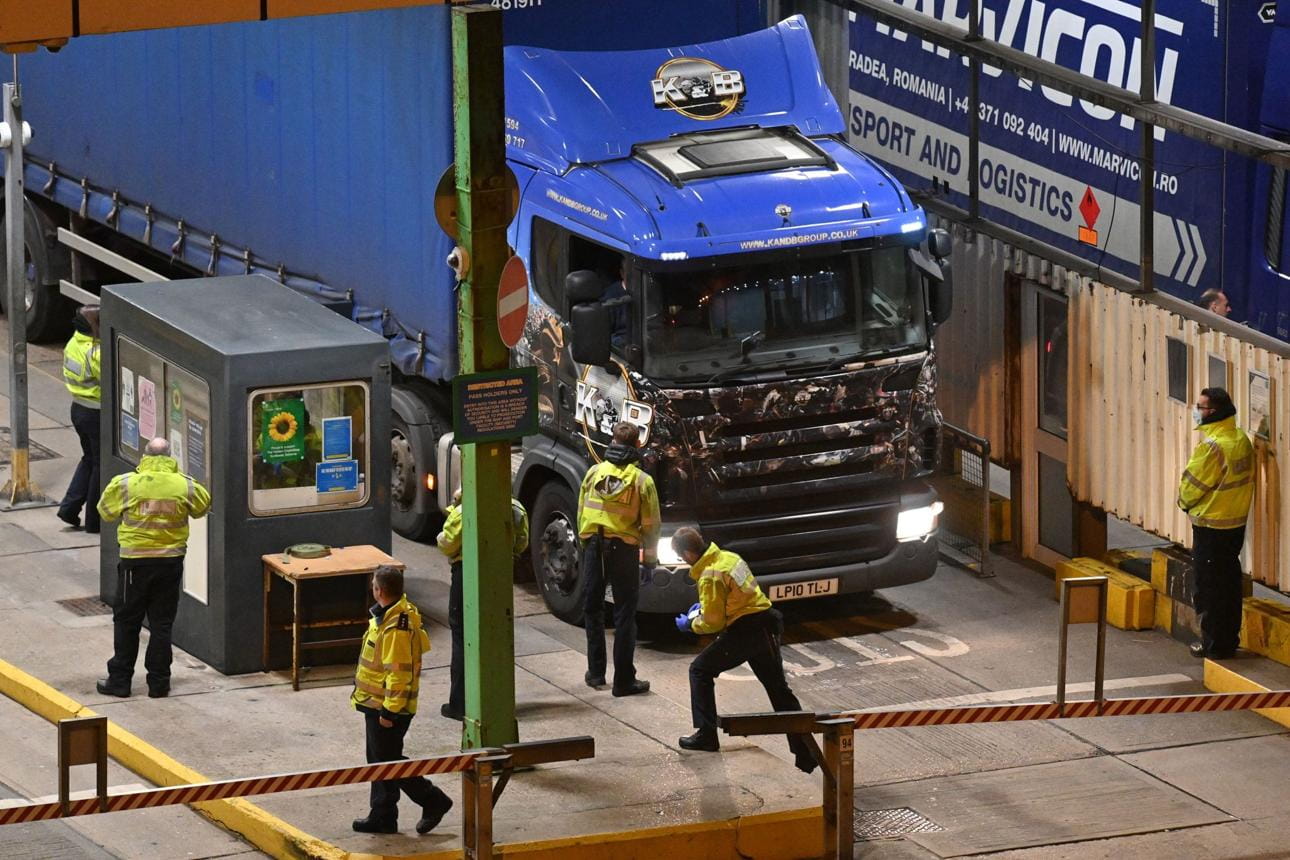
Brussels: The UK-EU agri-food deal agreed in draft form earlier this month now heads to the UK-EU summit in Brussels on 20 November 2026, where leaders expect to seal the biggest change to post-Brexit food trade since 2021. The agreement, formally a sanitary and phytosanitary (SPS) arrangement, would remove most border checks on food, plants and animal products moving between Britain and the European Union.
Neither side has published the full text yet. What is known about the UK-EU agri-food deal points to a classic bargain of alignment for access. Britain would drop export health certificates, phytosanitary certificates, inspection fees and much of the paperwork that has weighed on exporters for five years. In return, London would follow EU rules on animal health, plant health and pesticides as they evolve.
The economic case for the UK-EU agri-food deal looks strong on paper. Farming minister Stephen Morgan told MPs in October that an SPS agreement could lift UK exports of major primary agricultural commodities to the EU by around 16 per cent. For small exporters of cheese, shellfish and meat, frictionless access to a market of 450 million consumers matters more than any tariff cut, because veterinary sign-off often costs more than a modest consignment earns.
For Brussels, the logic runs deeper than trade figures. The European Commission has long insisted that single market access for agri-food goods requires common rules and a role for the Court of Justice in interpreting them. A UK-EU agri-food deal built on that principle protects the integrity of the internal market while showing that the Union can offer a pragmatic settlement to a former member. It also strengthens biosecurity on both sides of the Channel, since animal diseases and plant pests ignore borders.
British farmers sound less certain. Gavin Lane, president of the Country Land and Business Association, welcomed easier trade but warned that growers who never export could still find themselves bound by EU pesticide and animal health rules they have no say in shaping. He asked ministers to explain the protections they secured and to guarantee a realistic transition period. The possible impact on glyphosate use as a pre-harvest desiccant has become a symbolic test for many arable farmers.
Precision breeding is the sharpest point of contention. The National Farmers’ Union wants an exemption that keeps the British gene-editing framework in place until at least 2028. Morgan says the government remains committed to the Genetic Technology (Precision Breeding) Act 2023 and that a short list of exceptions will appear in the EU-UK Common Understanding. How far Brussels accepts such carve-outs in the UK-EU agri-food deal will show whether dynamic alignment can coexist with national innovation policy.
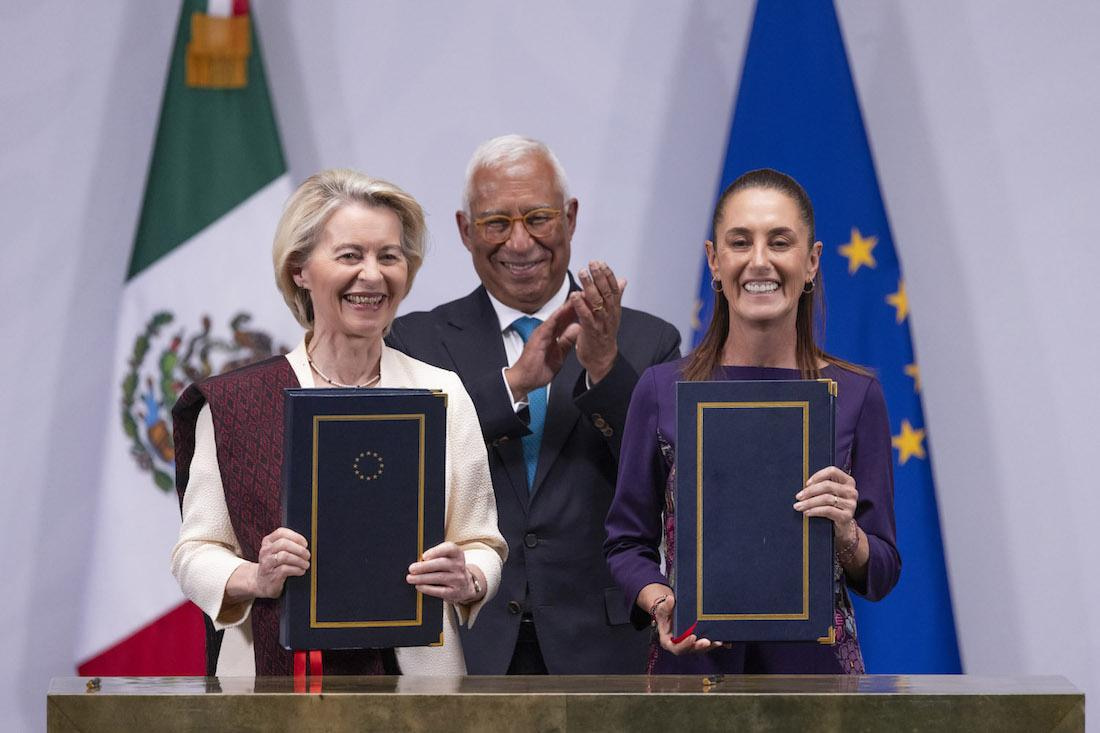
The UK-EU agri-food deal also carries political weight for the wider reset between London and Brussels. Commission President Ursula von der Leyen and European Council President António Costa will use the summit to show that the relationship has moved from crisis management to practical cooperation. Food trade offers a rare area where both sides can deliver visible gains to businesses and consumers within a year.
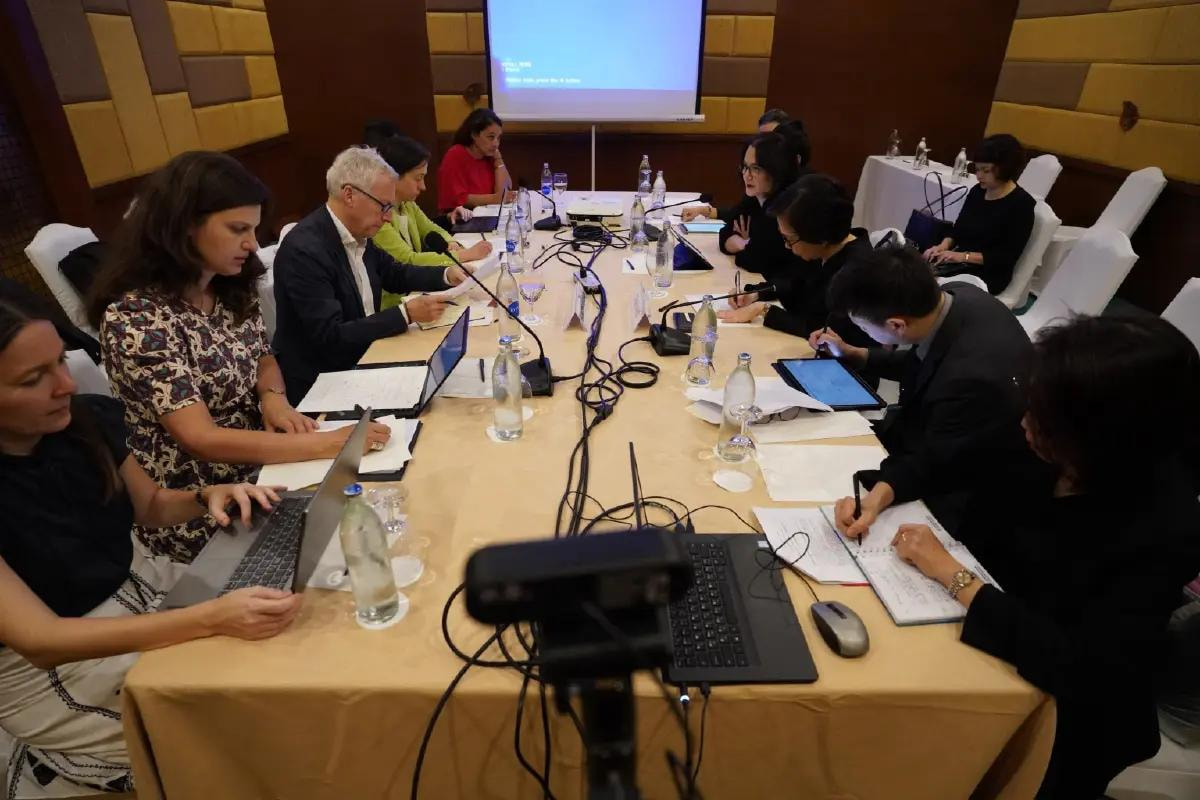
Several questions remain open in the final stretch of talks. Member states will want assurances on enforcement, on the dispute settlement role of the Court of Justice and on the timetable for Britain to adopt new EU acts. Northern Ireland, where the Windsor Framework already applies EU food rules, could also benefit from smoother movement of goods from Great Britain.
If leaders sign off on 20 November, the UK-EU agri-food deal will become the first real test of whether regulatory alignment can be traded for market access without reopening old Brexit wounds. Its success will depend less on the summit communiqué than on how smoothly vets, customs officers and farmers adapt in the months that follow.