Bucharest: The European Commission launched the Protect What Matters campaign on 9 November 2026 to explain to citizens why joint European defence spending matters to their security and jobs. The Directorate-General for Defence Industry and Space runs the communication drive in ten member states on the EU’s northern and eastern flank, from Romania and Bulgaria to Finland and Sweden.
The list covers Bulgaria, Czechia, Denmark, Estonia, Finland, Latvia, Lithuania, Poland, Romania and Sweden. These countries border Russia, Belarus, Ukraine or the Baltic and Black Sea routes, and most of them now spend well above the NATO average on defence. The Protect What Matters campaign talks first to the audiences that feel the threat most directly.
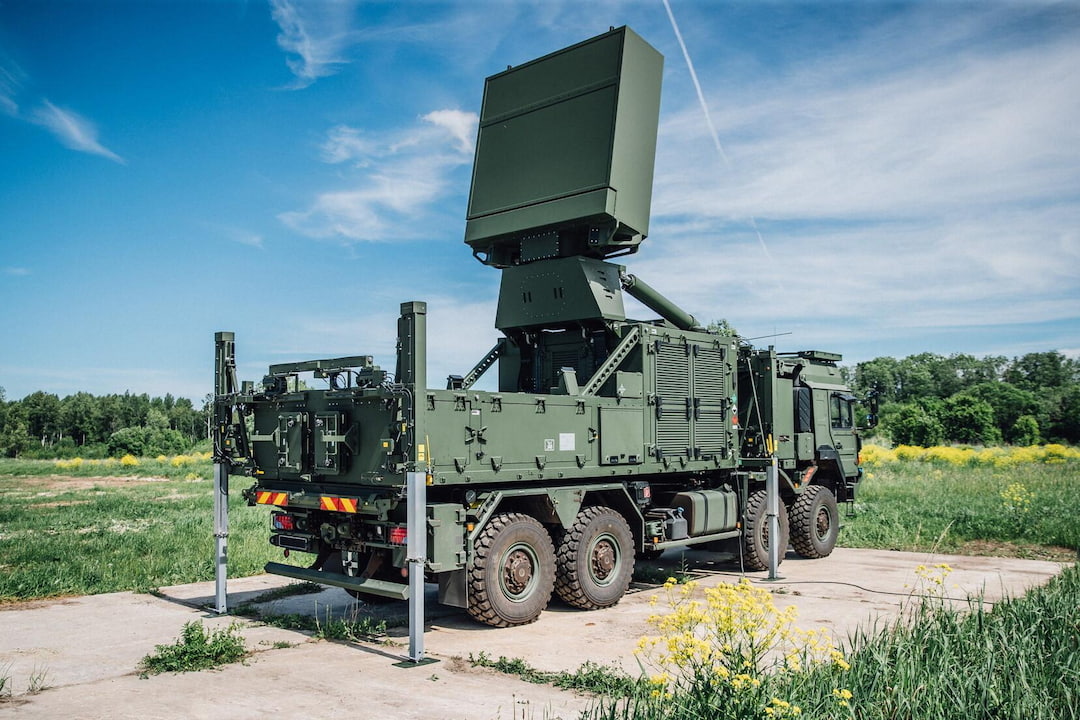
The Protect What Matters campaign showcases EU-funded projects, European companies and individual citizens working in air defence, drones, maritime security and cybersecurity. Its stated aims are to raise awareness, build confidence in the EU’s role in shared security and show how defence investment supports European jobs and competitiveness. The official campaign page gathers those stories in one place.
Public opinion gives the Protect What Matters campaign a solid starting point. Eurobarometer surveys cited by the Commission show that 81% of Europeans support a common defence and security policy among member states. Almost seven in ten agree that the EU should strengthen its capacity to defend itself autonomously against external threats.
The money behind the message is large. The Readiness 2030 plan, launched in 2025, aims to mobilise up to €800 billion to close capability gaps and expand industrial capacity. Its flagship loan instrument, Security Action for Europe, has so far disbursed almost €13.5 billion across 11 member states, according to the Commission.
A second round is already under way. The Commission has invited capitals to bid for up to €21.3 billion in further SAFE loans, which governments can use for joint procurement of air defence systems, ammunition, drones and other priority equipment. Several of the ten campaign countries rank among the heaviest users of the instrument.
The timing reflects a political need as much as a public information one. National governments must defend higher defence budgets against pressure on health, pensions and housing, and the Protect What Matters campaign aims to help voters see the European added value of pooled spending. Defence and Space Commissioner Andrius Kubilius has repeatedly argued that joint purchases cut costs and speed up delivery.
The Commission has not published a budget for the Protect What Matters campaign or named its media partners. Success will depend on whether the stories of local firms and engineers persuade sceptical taxpayers before the 2028-2034 budget talks decide how much defence money the EU itself will manage.