November 12, 2026
LATEST
Gambia Presidential Election Draws EU Observers Across the CountryUK-EU Agri-Food Deal Nears Summit as British Farmers Seek GuaranteesMarine Protected Areas Shield Under 1 percent of EU Waters, Auditors WarnProtect What Matters Campaign Brings EU Defence Case to Ten StatesAgricultural Output Value Climbs to €562.5 Billion in Record 2025ENISA Cybersecurity Report Finds Response Teams LaggingEIC Work Programme 2027 Puts €1.8 Billion Into Deep TechLeaders Put AI Sovereignty at the Centre of Friday TalksWomen in Farming Platform Meets in Brussels to Tackle Funding GapsBeating Cancer Plan Review Tests EPP Unity on Tobacco and AlcoholEl Niño Anticipatory Aid Puts Somalia First in EU Crisis PlanningQatar Defence Cooperation Gives Brussels a Gulf Opening After DelayMongolia Geographical Indications Talks Test a Third Neighbour BetWang Yi Courts Paris as EU-China Trade Ties Near a November TestSouth China Sea Code Deadline Leaves Europe Watching the Manila SummitBrussels Weighs a New Zealand Climate Complaint Under Its Trade PactGenerational Renewal in Farming Moves Up Irish Presidency AgendaOACPS-EU Joint Parliamentary Assembly Presses Brussels on Fair TradeEIB Investment Survey Shows 85% of EU Firms Kept on SpendingDSA Election Guidelines Bring Deepfake Labels to Video FeedsGambia Presidential Election Draws EU Observers Across the CountryUK-EU Agri-Food Deal Nears Summit as British Farmers Seek GuaranteesMarine Protected Areas Shield Under 1 percent of EU Waters, Auditors WarnProtect What Matters Campaign Brings EU Defence Case to Ten StatesAgricultural Output Value Climbs to €562.5 Billion in Record 2025ENISA Cybersecurity Report Finds Response Teams LaggingEIC Work Programme 2027 Puts €1.8 Billion Into Deep TechLeaders Put AI Sovereignty at the Centre of Friday TalksWomen in Farming Platform Meets in Brussels to Tackle Funding GapsBeating Cancer Plan Review Tests EPP Unity on Tobacco and AlcoholEl Niño Anticipatory Aid Puts Somalia First in EU Crisis PlanningQatar Defence Cooperation Gives Brussels a Gulf Opening After DelayMongolia Geographical Indications Talks Test a Third Neighbour BetWang Yi Courts Paris as EU-China Trade Ties Near a November TestSouth China Sea Code Deadline Leaves Europe Watching the Manila SummitBrussels Weighs a New Zealand Climate Complaint Under Its Trade PactGenerational Renewal in Farming Moves Up Irish Presidency AgendaOACPS-EU Joint Parliamentary Assembly Presses Brussels on Fair TradeEIB Investment Survey Shows 85% of EU Firms Kept on SpendingDSA Election Guidelines Bring Deepfake Labels to Video Feeds

Gambia Presidential Election Draws EU Observers Across the Country

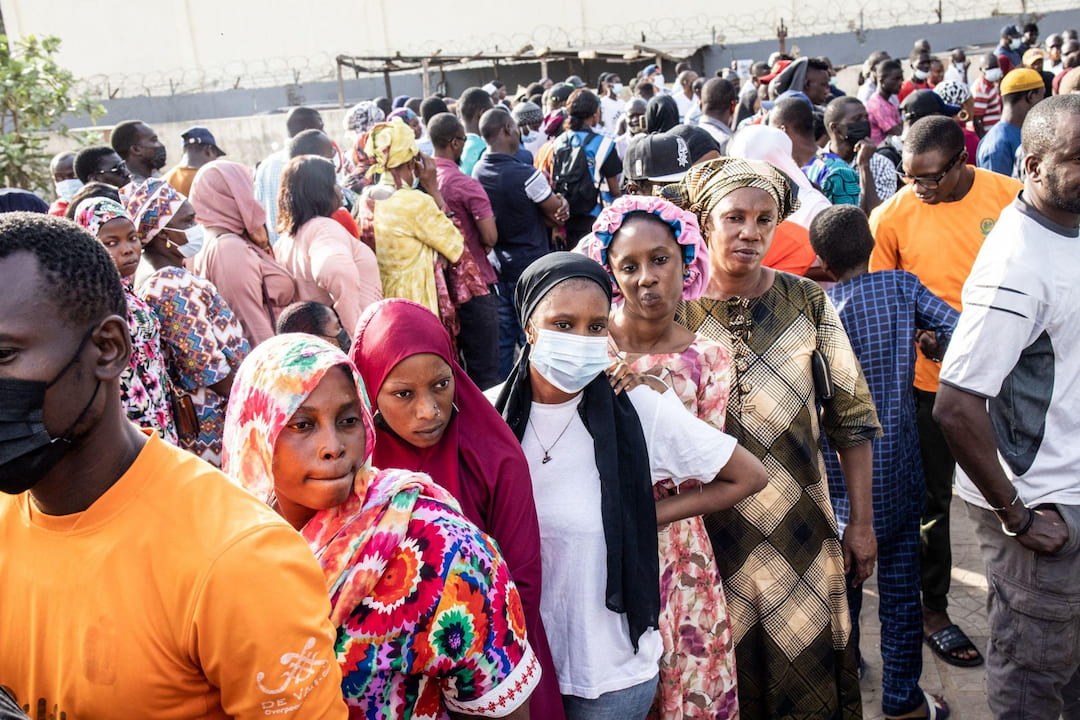
Banjul: The Gambia presidential election on 5 December 2026 will take place under close international scrutiny after the European Union deployed a full Election Observation Mission across the country. Chief Observer Reinhold Lopatka, an Austrian Member of the European Parliament, launched the mission at a press conference in Banjul on 5 November, at the invitation of the Gambian authorities.

The mission follows the standard EU method. A core team of eight analysts has worked in Banjul since 21 October. Sixteen long-term observers from 15 EU member states and Switzerland have fanned out across the regions, and 20 short-term observers will join them shortly before polling day. A seven-member delegation from the European Parliament and locally recruited observers from EU and partner embassies will complete the team.

Lopatka has already met the Independent Electoral Commission, the Chief Justice, the Foreign Minister and the National Human Rights Commission, as well as parties, media, civil society and domestic observers. He called the vote an opportunity to strengthen democracy and said he hoped all legitimate candidates could stand and voters could choose freely. The observers will assess the Gambia presidential election against national law and the regional and international commitments Banjul has signed.

The mission will follow the whole electoral cycle rather than a single day. Observers will cover the campaign, voting, counting, tabulation and the handling of disputes, while the core team tracks traditional and digital media. That last element matters, because disinformation on social platforms now shapes campaigns across West Africa as much as rallies do, and the Gambia presidential election will be no exception.

The stakes reach beyond one small country. The Gambia’s democratic opening, which began when longtime ruler Yahya Jammeh left power in January 2017 after losing the December 2016 vote, remains one of the region’s more hopeful stories. Its wider neighbourhood looks very different. Military governments in Mali, Burkina Faso and Niger have left the Economic Community of West African States and forced the closure of EU security missions, shrinking the Union’s footprint in the Sahel.

In that context, observing the Gambia presidential election gives Brussels a way to support democratic institutions through partnership rather than pressure. This is the third EU mission for national elections in the country since 2017, a sign of sustained engagement. It also complements EU development cooperation and the Global Gateway investments that the Union promotes along the West African coast.

The EU remains careful about the limits of its role. Observation missions do not certify or validate results, a responsibility that rests with national authorities and principally with the Independent Electoral Commission. The mission’s value lies in independent, public assessment and in recommendations that Gambian institutions can choose to adopt before the next electoral cycle.

Lopatka will return to Banjul in December and present preliminary findings on the Gambia presidential election at a press conference two days after the vote. The mission will stay until the electoral process is complete, and a final report with recommendations will follow later.

A credible Gambia presidential election would send a strong message in a region where ballots have too often given way to barracks. For the European Union, a transparent observation effort in Banjul is a modest but concrete investment in the idea that democratic transitions in West Africa can endure.