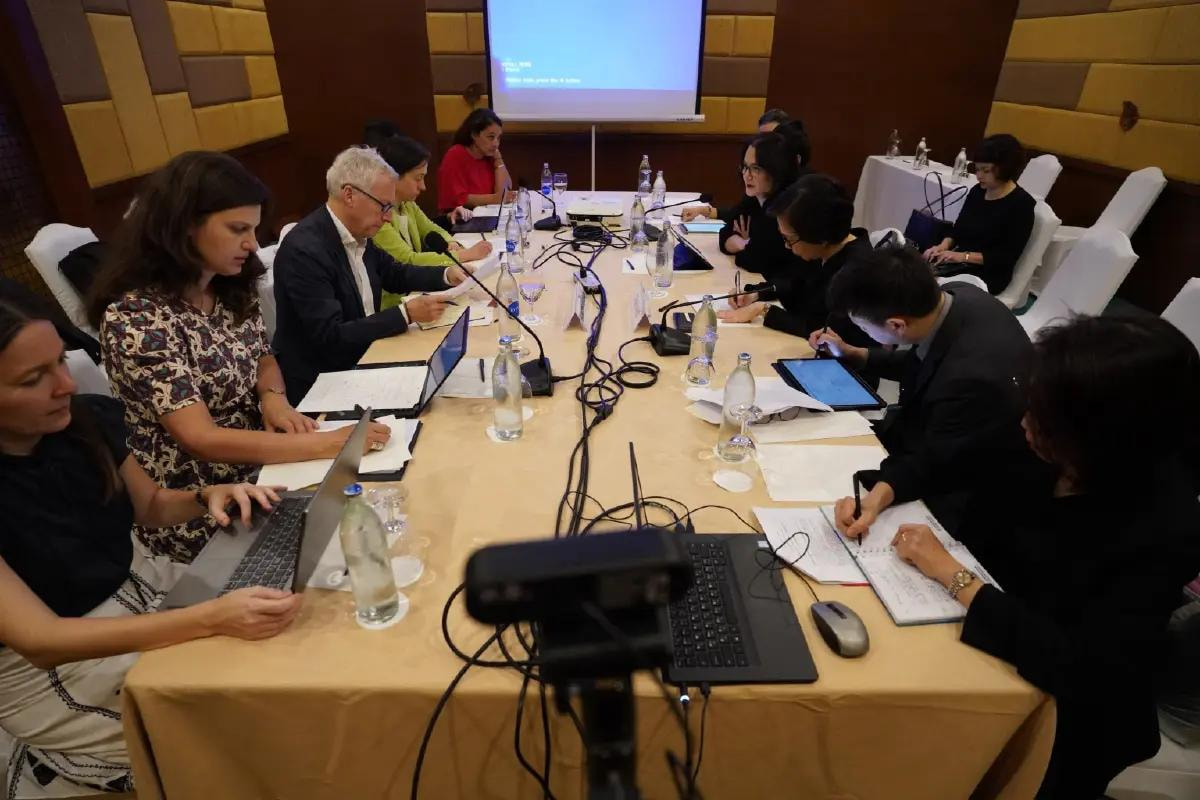
Ulaanbaatar: Mongolia geographical indications talks with the European Union enter the final weeks of 2026 carrying a deadline both sides set themselves. At the annual Joint Committee in Brussels on 29 June 2026, the EU and Mongolia agreed to aim for decisive progress this year on an agreement protecting each other’s regional food and craft names.
The stakes for Ulaanbaatar are high. Mongolia sells world-class cashmere, wool, meat and dairy products, yet EU-Mongolia trade totals only about 1 billion dollars, with imports making up roughly 91 percent and exports just 9 percent, according to figures that Mongolian MP E. Bolormaa cited in May. A geographical indications deal would give herders and processors a premium label in a demanding market.
Mongolia geographical indications protection would also complement the GSP+ scheme, which already grants tariff preferences in exchange for commitments on human rights, labour and environmental standards. At the June Joint Committee, both sides agreed that Mongolia should make far greater use of GSP+ to diversify an economy still dominated by mining exports to China.
The European Parliament has added political momentum. Six MEPs led by Giuseppina Princi, chair of the delegation for relations with Central Asia and Mongolia, visited the country from 26 to 30 May 2026. They toured the Evseg cashmere factory and met the Mongolian Wool and Cashmere Association, and Deputy Speaker J. Bat-Erdene told them that geographical indications sit alongside visa facilitation on Ulaanbaatar’s wish list.
The agricultural logic connects to a broader strategic one. Mongolia’s Third Neighbour Policy seeks partners beyond Russia and China, and the EU has repeatedly endorsed it. A food and craft agreement offers a low-risk way to deepen ties without provoking either giant neighbour, while Global Gateway support for renewable energy and forestry adds an investment track.
Practical obstacles to Mongolia geographical indications remain. Mongolian producers need certification bodies, traceability systems and laboratory capacity before a protected name carries weight in European supermarkets. EU negotiators, meanwhile, will want robust protection for European cheeses, wines and spirits in return, a demand that could test Mongolia’s administrative capacity.
The calendar for Mongolia geographical indications talks is unforgiving. The next Joint Committee meets in Ulaanbaatar in 2027, and a planned Subcommittee on Trade and Investment still has to convene. Without a visible breakthrough before year end, the target of decisive progress risks becoming another ambition that drifts into the following year.
For European food security and agricultural diplomacy, the file is small in volume but rich in signal. Concluding Mongolia geographical indications protection would show that the EU can turn partnership language into tangible benefits for rural producers far from its borders. Failure would suggest that even modest agreements struggle when political attention lies elsewhere, leaving Mongolia geographical indications as an unfinished promise.